Plyometric exercises for basketball are not magic drills for becoming a better athlete overnight. They are jumping, landing, and explosive movement exercises that teach your muscles to produce force quickly. That matters when you are fighting for a rebound, closing out on defense, or driving past a defender. The useful formula is simple: two focused sessions per week, enough recovery, and clean technique. Eat enough. Train hard. Repeat.
What plyometrics actually do for your game
Plyometrics train the stretch-shortening cycle. In plain English, your muscles absorb force during a quick landing or dip, then use that stored energy to produce a faster movement. A countermovement jump is the obvious example: bend, load, and drive upward instead of trying to jump from a rigid position.
The payoff is not limited to vertical height. Well-programmed plyometric exercises for basketball can improve acceleration, deceleration, coordination, and the ability to react without wasting motion. They can also make ordinary strength work more athletic because you learn to apply force quickly, not just grind through a heavy squat.
Do not confuse soreness with progress. Your calves and tendons might feel worked after repeated jumps, but the goal is quality. If your jump height drops sharply, your landings become loud, or your knees collapse inward, the session has gone on too long. Three excellent sets beat six sloppy ones every time.
Start with the right progression
If you have not trained consistently, begin with landing mechanics for two weeks. Stand on the balls of your feet, drop into a quarter squat, and land softly with your knees tracking in line with your second and third toes. Keep your chest controlled rather than folding forward. Practice three sets of five snap-downs, then three sets of five low pogo hops.
Once those movements feel automatic, add squat jumps. Perform three sets of five, resting 60 to 90 seconds between sets. Jump high, land quietly, reset, and repeat. Do not turn the exercise into a rushed cardio circuit. Plyometric exercises for basketball should look crisp, with a full recovery between efforts.
For adults returning to training, a low box jump is often friendlier than repeated broad jumps. Step down from the box instead of jumping down. A box between 12 and 24 inches is plenty for most recreational athletes. The box does not make you powerful; your forceful takeoff does.
A practical weekly basketball power session
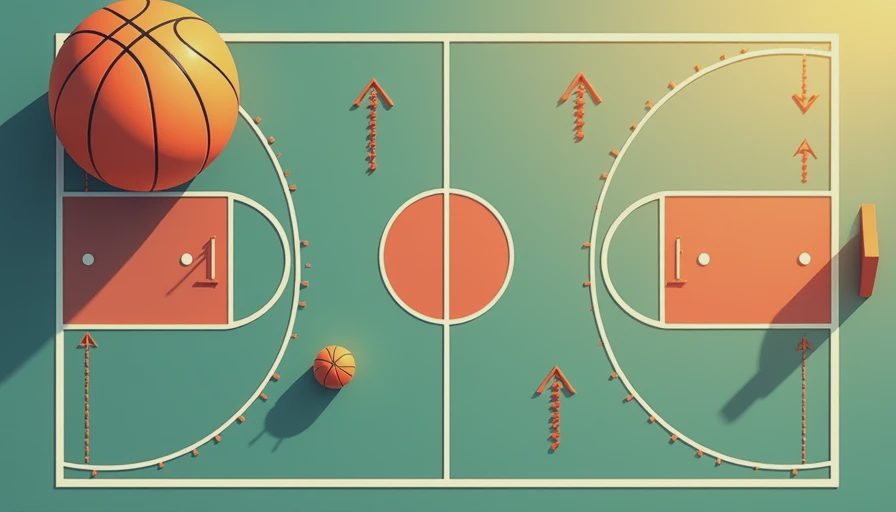
Here is a straightforward 25-minute session to use after a warm-up and before exhausting conditioning. Start with five minutes of brisk walking, cycling, or easy jogging. Add ankle rocks, bodyweight squats, walking lunges, and two practice jumps. Then complete the following work with full attention.
Begin with pogo hops for three sets of 10 contacts. Keep the jumps small and springy. Move to countermovement jumps for four sets of three repetitions, resting up to two minutes. Next, perform lateral bounds for three sets of four repetitions per side. Stick each landing for a moment; distance is less important than balance. Finish with three sets of five medicine-ball chest passes or overhead throws if you have a safe wall and a ball weighing roughly 6 to 10 pounds.
This selection covers vertical force, horizontal control, lateral movement, and upper-body explosiveness. That is more useful than collecting 20 random internet drills. Plyometric exercises for basketball work best when they support the demands of the sport instead of competing with them.
Pair jumps with strength, not exhaustion
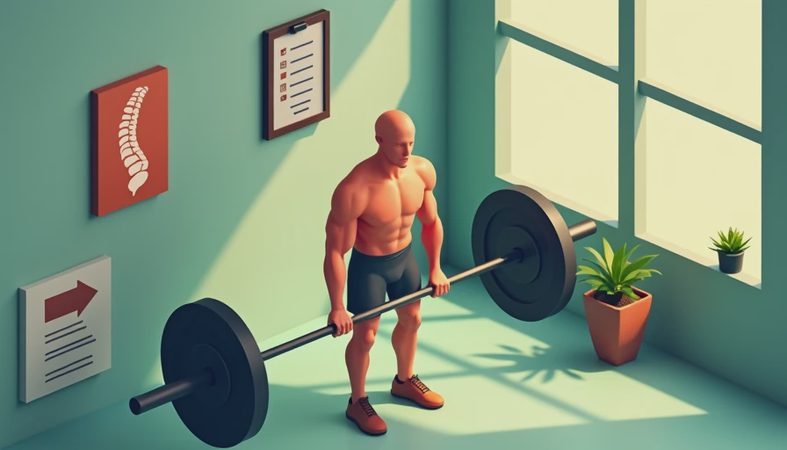
Power is force applied quickly, so strength still matters. Pair your jump training with two weekly strength sessions, leaving at least 48 hours between hard lower-body workouts. A basic session might include goblet squats for three sets of eight, Romanian deadlifts for three sets of eight, split squats for three sets of six per leg, and calf raises for two sets of 12.
You do not need a complicated sports performance facility. A dumbbell, a sturdy box, and open floor space can cover a lot. If you have access to a barbell and coaching, front squats and trap-bar deadlifts are useful options, but they are not requirements.
Place explosive work before heavy strength work when both happen on the same day. Your nervous system is freshest at the beginning. Five clean jump sets followed by controlled lifting beats doing jumps after 40 minutes of fatigue. A basketball player who can only jump when fresh has not built much usable capacity.
Common mistakes that waste your time
The first mistake is doing high-volume jumps every day. Tendons and joints need recovery, even when your muscles feel fine. Two sessions weekly are enough for most people, and one session is a sensible starting point after a long break.
The second mistake is chasing box height. A higher box often means you tucked your knees more, not that you jumped higher. Use a box that lets you land in a comfortable athletic position without folding in half. Step down carefully to reduce unnecessary impact.
The third mistake is ignoring the landing. The landing is where you learn to absorb force. Keep your feet about hip-width apart, bend through your hips and knees, and avoid letting one knee shoot inward. If you have persistent pain, swelling, or instability, stop the drills and get evaluated by a qualified medical professional.
The fourth mistake is using plyometrics as punishment for eating. That is bad training and a poor relationship with food. These exercises develop performance; they are not a debt-payment system for dinner.
How to progress over four weeks
Week one should emphasize landing control: snap-downs, pogo hops, and low squat jumps. Keep total jump contacts around 30 to 40. In week two, maintain the same volume and add countermovement jumps with longer rest. You are practicing force, not trying to become breathless.
In week three, add lateral bounds and increase total contacts to roughly 40 to 50 if your joints feel good and technique remains steady. In week four, reduce volume by about 20 percent while making every repetition sharp. This lighter week gives your body room to adapt and lets you judge whether your jump quality is improving.
Track three things in a notebook: your best comfortable jump, how your landings feel, and whether you completed the session without pain. Do not test a maximum jump every workout. A monthly check is enough. Progress can also show up as a quieter landing, faster first step, or better balance when changing direction.
The nutrition piece people skip
Hard training does not cancel out inadequate eating. Have a meal with carbohydrates and protein two to four hours before practice, such as Greek yogurt with berries and oats, or rice with chicken and vegetables. After training, aim for roughly 25 to 35 grams of protein in a meal or snack and include carbohydrates to replenish energy.
Hydrate according to thirst during ordinary sessions, and drink more in hot gyms or long practices. You do not need a branded powder to make plyometric exercises for basketball effective. You need sleep, regular meals, sensible volume, and enough patience to repeat the basics for months.
That is the boring answer, which is why people keep trying to replace it with a miracle program. Start with two sessions this week. Choose three drills, stop before your technique deteriorates, and write down what you did. Stronger, quicker movement comes from consistent practice, not a heroic workout. Eat enough. Train hard. Repeat.
No comments yet — be the first to share a thought.