Lower back pain after deadlift is not a badge of honor, and it is not something you need to push through to prove you trained hard. A little muscle soreness can happen after a new workout, but sharp, worsening, or persistent pain deserves a smarter response than another set of heavy pulls. The goal is not to panic or quit strength training. The goal is to figure out what your body is telling you, reduce the aggravating load, and return gradually.
First, separate soreness from pain
Delayed-onset muscle soreness usually develops several hours after training, feels dull or tight, affects both sides fairly evenly, and improves as you move. It often peaks within 24 to 72 hours after an unfamiliar session. Lower back pain after deadlift that began suddenly during one repetition, feels sharp or catching, travels into the buttock or leg, or changes how you walk is a different situation.
Pain does not automatically mean a serious injury. You could have irritated a muscle, tendon, joint, or other structure around the lumbar spine. You cannot identify the exact tissue from a social media checklist, though, so avoid making a dramatic diagnosis based on one painful workout. For the first day or two, stop the movement that clearly provokes symptoms, keep gentle daily activity if you can tolerate it, and avoid testing the injury every few hours.
Ice is optional, not magic. Some people prefer a cold pack for short periods during the first day, while others find gentle heat more comfortable. Over-the-counter pain medication can interact with medical conditions and prescriptions, so ask a pharmacist or clinician if you are unsure. Rest from deadlifting does not mean lying in bed all day; easy walking is often more useful than total inactivity when it does not increase pain.
Why deadlifts can irritate your back
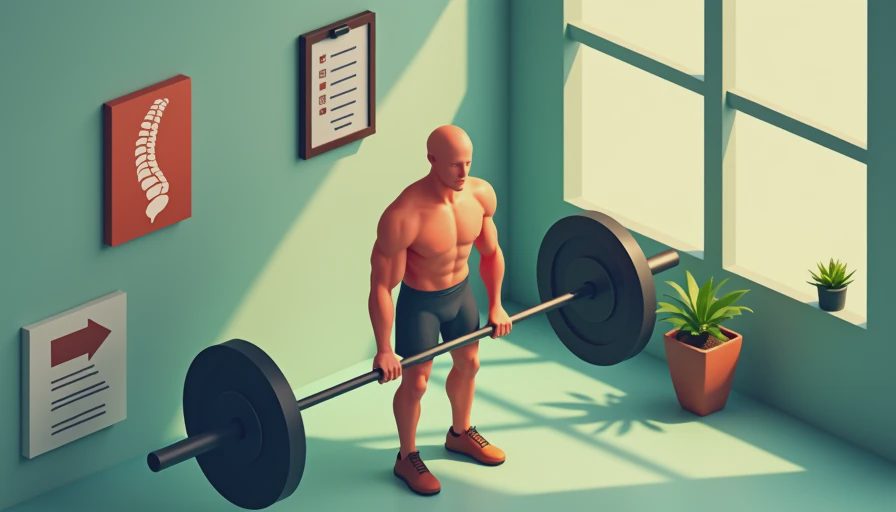
The deadlift is a hip-hinge exercise. Your glutes and hamstrings should produce most of the force while your trunk stays braced and your spine remains controlled. Problems often appear when the bar starts too far away, the load is too heavy, fatigue changes your position, or the lifter tries to yank the weight from the floor.
A rounded upper back is not automatically dangerous, and a perfectly still spine is not a realistic requirement. The practical issue is whether your technique changes dramatically under load or whether the same movement repeatedly produces symptoms. Common contributors include rushing warm-ups, adding weight every week without an easier training block, using a range of motion your hips cannot control, and holding your breath without learning proper bracing.
Watch your setup from the side. The bar should start close to your shins, your feet should feel planted, and your hips should move back rather than dropping into a squat. Before lifting, take a breath into your abdomen and sides, tighten as if preparing for a firm tap, then push the floor away. If the bar drifts forward, stop the set instead of turning the final reps into a lower-back endurance contest.
What to do during the next week
For lower back pain after deadlift, make one useful change: remove painful deadlifts for several days and keep moving within a comfortable range. You can usually train around an irritated back with exercises that do not increase symptoms during the session or leave you noticeably worse the next morning. Try a 10- to 20-minute walk, gentle bodyweight squats to a chair, or unloaded hip hinges with a dowel if those movements feel controlled.
Do not replace the deadlift with another heavy hinge just because it has a different name. Romanian deadlifts, kettlebell swings, good mornings, and heavy back extensions still load the posterior chain. Start with easier options such as a supported split squat, a light leg press, or a glute bridge if tolerated. Use two or three sets of eight to twelve repetitions, stop several reps before failure, and treat symptom response as your scorecard.
A simple pain rule is helpful: mild discomfort that stays stable and settles quickly can be acceptable during rehabilitation, but sharp pain, increasing pain, radiating symptoms, or worse function the following morning means the exercise was too demanding. There is no prize for finding the maximum load your irritated back can survive.
How to return to deadlifting
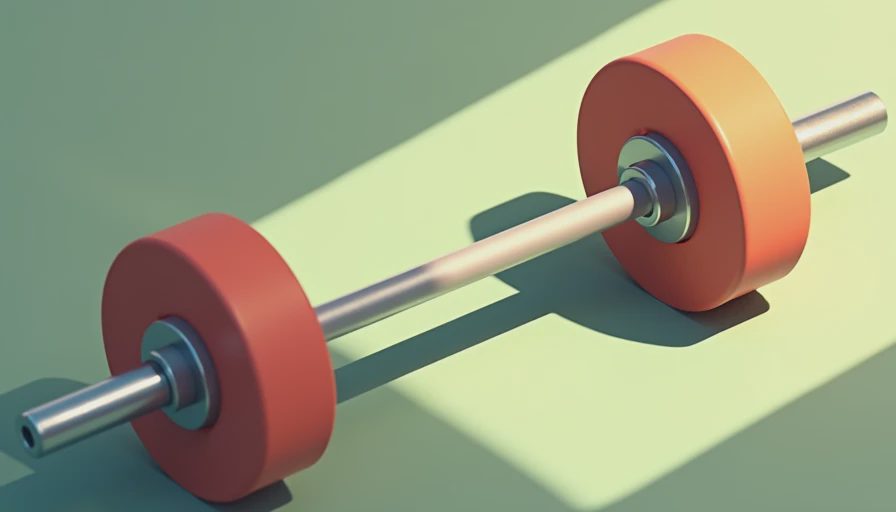
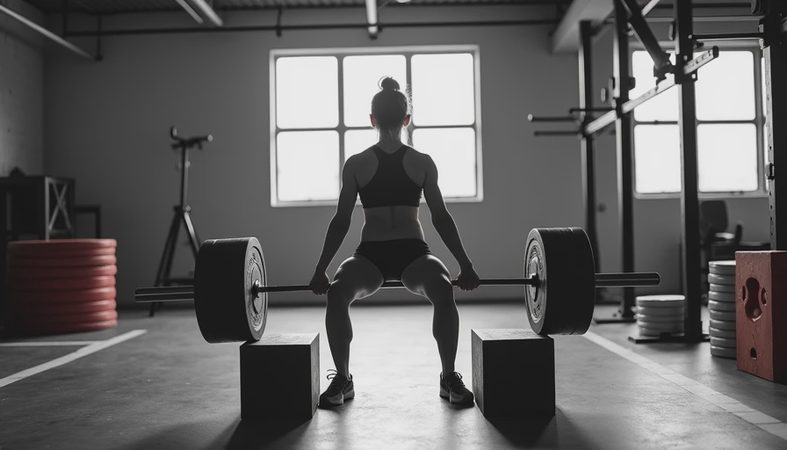
When normal walking, sitting, and basic hip-hinge practice feel comfortable, rebuild in steps. Start with a raised bar, blocks, or a rack pull so the range of motion is shorter. Use a weight you could lift for at least five more clean repetitions, even if you perform only five. Add small increases, such as 5 to 10 pounds, only when your technique and next-day symptoms remain steady.
If lower back pain after deadlift returns at the same point in every session, do not simply lower the weight and repeat the same mistake forever. Change one variable: raise the bar, reduce the range, use a trap bar, slow the lowering phase, or limit the set to three controlled repetitions. A trap bar can feel more natural for some lifters because the handles allow a more upright position, but it is still a loaded lift and still requires bracing.
Film one or two working sets from the side, not every set from six angles. Look for the bar separating from your legs, hips shooting up before the bar moves, or your torso folding as fatigue builds. A qualified physical therapist or strength coach can help you interpret what you see without turning a normal technique variation into a catastrophe.
When to get professional help
Seek urgent medical care for new loss of bladder or bowel control, numbness around the groin or saddle area, major leg weakness, or severe symptoms after significant trauma. Those signs are not a “wait and see” workout problem. Contact a clinician promptly for pain with fever, unexplained weight loss, a history of cancer, or pain that is severe and unrelenting at rest.
For ordinary training-related pain, schedule an evaluation if symptoms are not clearly improving after several days, keep returning whenever you lift, or interfere with sleep, work, or normal walking. A physical therapist can assess hip mobility, trunk strength, lifting mechanics, and training volume. They can also give you a progression that fits your actual job and schedule instead of handing you a generic list of stretches.
Lower back pain after deadlift is a reason to adjust your plan, not a reason to abandon strength training. Eat enough to recover, sleep as consistently as family life permits, and stop treating exhaustion as evidence of a productive workout. The boring approach works: reduce the aggravating load, keep tolerable movement, rebuild gradually, and earn your heavier sets back. Eat enough. Train hard. Repeat.
No comments yet — be the first to share a thought.