Chest and tricep dumbbell exercises do not need to be fancy to work. You need a pair of weights, a stable bench or floor, good technique, and enough consistency to challenge the muscles over time. That is the boring truth. A 30-minute session performed twice each week will do more for your strength than a complicated program you abandon after ten days.
I recommend training your chest and triceps together because pressing movements already train both muscle groups. The chest produces most of the force, while the triceps finish the movement by straightening your elbows. You can train at home, in a hotel room, or in a gym without waiting for three machines. Eat enough, train hard, repeat.
The Basic Workout Structure
Start with two weekly sessions separated by at least 48 hours. For example, train Monday and Thursday. Begin with five minutes of easy movement: brisk walking, arm circles, wall pushups, and a few slow practice presses with very light dumbbells. You are preparing your shoulders, not trying to exhaust yourself before the workout begins.
Use a weight that leaves about two good repetitions in reserve at the end of each set. If your form breaks down, the weight is too heavy for that set. Rest 90 seconds between demanding presses and 45 to 60 seconds for smaller triceps exercises. Beginners can perform two sets per exercise. More experienced lifters can use three or four sets when recovery, sleep, and schedule support it.
A practical session includes dumbbell bench presses, an incline press, a squeeze press, an overhead triceps extension, and a lying triceps extension. Perform eight to twelve repetitions for presses and ten to fifteen repetitions for isolation work. The final repetitions should feel difficult without turning into a wrestling match with the dumbbells.
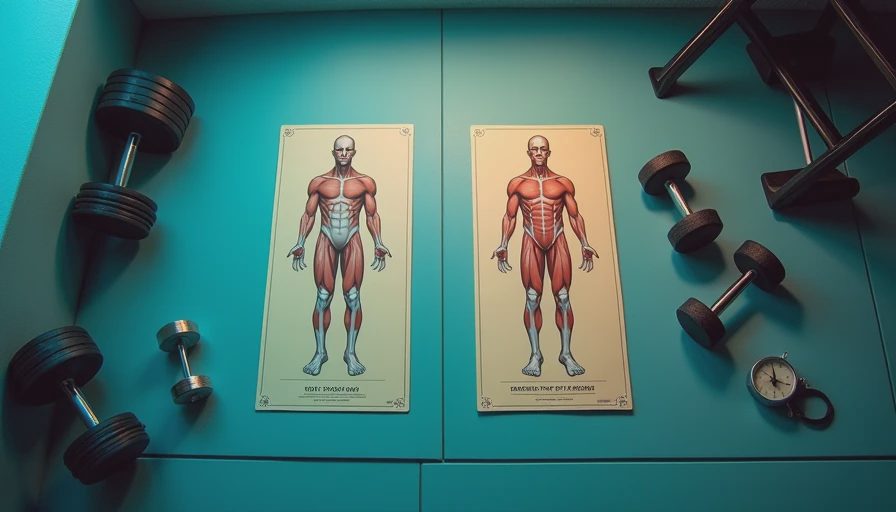
Chest and Tricep Dumbbell Exercises for Your Main Press
The flat dumbbell bench press is your foundation. Lie with your feet planted, pull your shoulder blades gently down and back, and hold the dumbbells over your mid-chest. Lower them under control until your upper arms are slightly below your torso or your comfortable range ends. Press upward without banging the weights together. Keep your wrists stacked over your elbows instead of letting them fold backward.
If you do not own a bench, use a dumbbell floor press. The floor limits your range of motion, which is useful if your shoulders dislike a deep stretch. Pause briefly when your upper arms touch the floor, then press up. This variation lets you train the chest and triceps with less shoulder extension and is an excellent choice for a home workout.
The incline dumbbell press shifts more work toward the upper portion of the chest and the front of the shoulders. Set a bench at roughly 30 degrees, not nearly upright. A steep angle often turns the exercise into a shoulder press. Use a lighter load than your flat press and keep the same controlled lowering phase. Three sets of eight to ten repetitions are enough for most people.
Targeted Movements That Add Useful Volume
The dumbbell squeeze press is simple and surprisingly effective. Press the dumbbells together over your chest throughout the movement, then lower them slowly as one unit. The inward pressure gives you a clear cue to keep the chest working rather than letting the shoulders dominate. Try three sets of ten to twelve repetitions after your main press.
For triceps, use a two-hand overhead dumbbell extension. Hold one end of a dumbbell with both hands, lift it above your head, and lower it behind you by bending your elbows. Keep your upper arms pointing mostly forward. Avoid flaring the elbows wide. Raise the weight smoothly and stop before your lower back arches to compensate.
A lying dumbbell triceps extension trains the triceps through a controlled elbow-bending movement. Lie on a bench or the floor with your arms pointed toward the ceiling. Lower the dumbbells beside your temples, keeping your elbows fairly still, then extend your arms. Start very light. The goal is tension and control, not proving that you can lower a heavy weight toward your face.
A Four-Week Progression That Makes Sense
Choose a starting weight you can lift for three sets of eight clean repetitions. Each week, try to add one repetition to one or more sets while maintaining your technique. Once you can complete three sets of twelve, increase each dumbbell by the smallest available jump and return to eight repetitions. This is called double progression, and it removes the guesswork from training.
For example, suppose you press 25-pound dumbbells for 10, 9, and 8 repetitions. Keep that weight next time and aim for 10, 10, and 9. Do not add weight just because the calendar says it is time. Strength is built by gradually increasing work, not by collecting heroic-looking numbers that make your joints complain.
Track the exercise, weight, repetitions, and any pain or unusual fatigue. A notebook is enough. If performance drops for two sessions, sleep is poor, or your elbows remain sore, reduce the load or remove one set for a week. Recovery is part of the program, not evidence that you are lazy.
Form Errors That Waste Your Effort
The first common mistake is rushing the lowering phase. Take about two seconds to lower each dumbbell. You do not need an exaggerated five-second descent, but dropping the weights removes useful tension and makes position harder to control. The second mistake is allowing the shoulders to roll forward at the bottom of a press. Keep the rib cage comfortable and the shoulder blades stable.
Another mistake is turning every repetition into a partial repetition. A shorter range can be appropriate for a painful joint, but it should be intentional. If you can move comfortably through a full range, use it. Do not bounce the dumbbells off your chest or lock out aggressively at the top. Smooth repetitions protect your technique and make your progress easier to measure.
Do not ignore pain that feels sharp, unstable, or different from normal muscle effort. Stop that movement and choose a pain-free variation, such as the floor press. A physical therapist can help when symptoms persist. Normal effort feels like muscular fatigue; joint pain is a signal to change the plan.
How This Fits Into Fat Loss
Chest and tricep dumbbell exercises can strengthen your upper body, but they are not a magic fat-loss tool. Fat loss comes primarily from a sustainable calorie deficit, while resistance training helps you preserve muscle as body weight decreases. Aim for regular protein-containing meals, vegetables or fruit most days, and a calorie target you can follow on a busy Tuesday rather than only on your most motivated Monday.
You also do not need to destroy yourself with extra cardio after lifting. A few walks, regular daily movement, and two or three strength sessions can form a strong foundation. If your goal is weight loss, do not slash food so aggressively that your workouts collapse. Eat enough to train hard, then repeat the basics long enough for them to work.
Chest and tricep dumbbell exercises are worth your time when they fit your life. Put the dumbbells where you can see them, schedule two sessions, and record your first weights today. In four weeks, judge the plan by cleaner repetitions, slightly heavier loads, and better consistency—not by a miracle transformation. That is how real progress looks.
No comments yet — be the first to share a thought.