An olympic weightlifting program can build strength, power, coordination, and confidence, but it is not a magic fat-loss plan. The snatch and clean and jerk are technical lifts. They reward patient practice, sensible loading, and enough food to recover. They do not reward ego, random workouts, or trying to copy a 22-year-old competitor when you have a job, kids, and a cranky shoulder. Here is how to start without turning Tuesday night into a punishment session.
What an Olympic Weightlifting Program Actually Trains
The two Olympic lifts are the snatch and the clean and jerk. In the snatch, you move a barbell from the floor to overhead in one continuous motion. In the clean and jerk, you bring the bar to your shoulders, then drive it overhead. Both lifts demand speed, balance, mobility, and precise timing. Strength matters, but strength alone will not fix a bar that loops around your knees or crashes onto your wrists.
A useful olympic weightlifting program also includes squats, pulls, presses, and trunk work. These supporting exercises build the positions that make the competition lifts safer and more repeatable. You might practice a hang power snatch, front squat, clean pull, and push press before attempting heavier full lifts. That is not taking the easy route. It is building the movement in pieces so your nervous system can learn it.
For adults returning to exercise, start with two or three sessions each week. Each session can last 45 to 70 minutes. Leave at least one day between hard lifting sessions. If you have uncontrolled high blood pressure, a recent injury, or significant joint pain, get medical clearance and work with a qualified coach before loading a barbell.
A Practical Four-Week Starting Structure
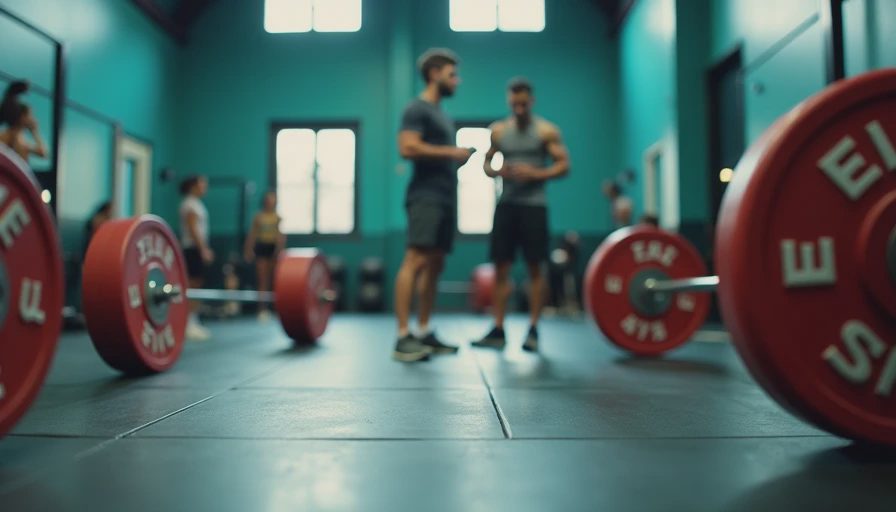
The best olympic weightlifting program for a busy beginner is repetitive on purpose. Repetition gives you enough practice to improve while keeping fatigue manageable. On day one, perform a movement warm-up, then five sets of three hang power snatches with a light bar or empty training bar. Follow that with four sets of five front squats, three sets of five clean pulls, and two or three easy sets of dead bugs or planks.
On day two, practice five sets of two hang power cleans and four sets of three push presses. Add four sets of five back squats and three sets of eight Romanian deadlifts. On day three, if your schedule allows, use three sets of two power snatches, four sets of two clean and jerks, and three sets of three front squats. Keep the final session crisp rather than exhausting.
Use a load that leaves at least two good repetitions in reserve. If the bar slows dramatically, your feet jump unpredictably, or you lose the catch position, reduce the weight. Add 2.5 to 5 pounds only when every repetition looks similar. A four-week block should improve consistency first. Personal records can wait.
Learn the Positions Before Chasing Weight
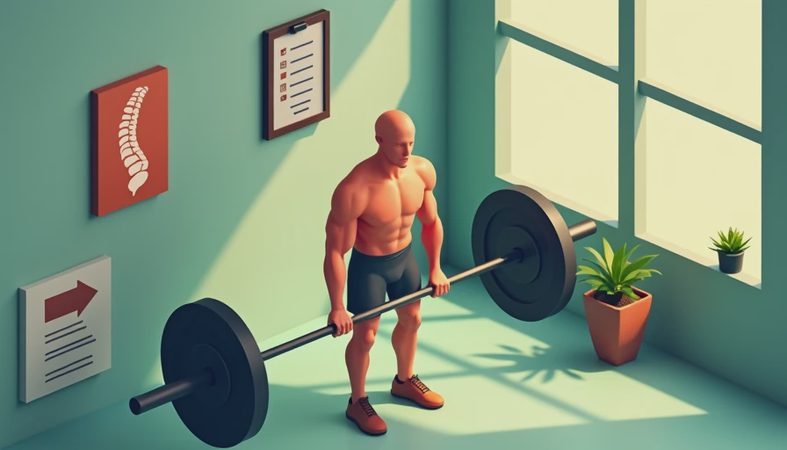
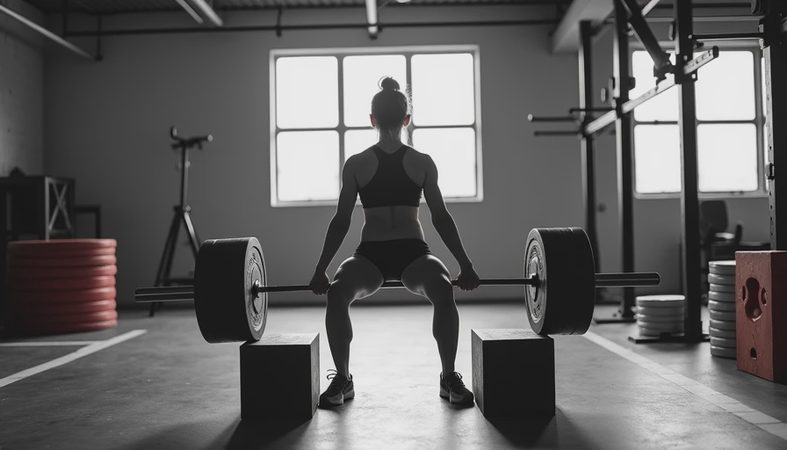
An olympic weightlifting program should teach positions from the ground up. Begin with the empty bar: hip hinges, overhead squats if your mobility allows them, muscle cleans, and front-rack holds. Then use blocks or a hang position to reduce the distance the bar travels. This lets you focus on keeping the bar close, pushing through the floor, and finishing the pull before dropping under it.
Film one set from the side, provided your gym permits it. Look for a bar path that stays close to your body, a balanced foot position, and a stable receiving position. Do not obsess over making every lift look like a professional athlete's lift. You are looking for one clear correction at a time. A coach who teaches USA Weightlifting-style technique can often identify in minutes what a dozen social media clips will confuse.
Mobility is not a contest. If your wrists cannot comfortably support a front rack, use straps, crossed arms, or a lighter bar while you work on the limitation. If a deep squat causes pain, use a controlled range and ask a qualified professional for help. Discomfort from unfamiliar positions is different from sharp pain. Do not negotiate with sharp pain.

Eat Enough to Train Hard and Lose Fat Slowly
An olympic weightlifting program works better when you stop treating food as a reward or punishment. Aim for a modest calorie deficit if fat loss is your goal, commonly around 250 to 500 calories below maintenance rather than an aggressive crash diet. The right deficit lets you train, sleep, and function at work. A plan that leaves you dizzy during warm-ups is not disciplined; it is poorly designed.
Protein is the first number to organize. A practical target for many active adults is 1.6 to 2.2 grams per kilogram of body weight per day, adjusted for medical needs and your overall diet. Divide it across three or four meals. Add carbohydrates around training: oatmeal and fruit before an early session, or rice, beans, and lean meat after work. Carbohydrates support high-intensity lifting because the body relies heavily on stored glycogen for repeated efforts.
You do not need a pre-workout powder, detox tea, or fat-burning capsule. Water, a normal meal, and a consistent bedtime beat most expensive tubs. If you train for more than an hour and sweat heavily, a meal containing sodium and fluids can help you feel better. Eat enough. Train hard. Repeat.
Recovery Is Part of the Program
A serious olympic weightlifting program includes recovery targets, not just exercises. Try to sleep seven to nine hours when possible, though parents and shift workers know that life does not always cooperate. Keep a regular wake time, limit late caffeine, and make your bedroom boring, dark, and cool. These are unglamorous tools, which is precisely why they work better than a miracle supplement.
Track three things after each session: the exercises completed, the loads used, and how the final sets felt. If your usual 95-pound clean suddenly feels like a maximal effort for two sessions, reduce volume or weight. A lighter week every fourth or fifth week can help you practice technique while lowering fatigue. Progress is not always adding plates. Sometimes progress is completing the same work with better timing and less panic.
Include easy walking on nonlifting days. Twenty to thirty minutes can support general fitness without competing heavily with strength recovery. Keep hard interval training limited while learning the lifts. You have only so much recovery currency, and spending it on five demanding workouts makes no sense if your primary goal is to improve the barbell movements.
How to Choose a Plan You Will Actually Follow
The best olympic weightlifting program is the one that fits your calendar and coaching access. If you can train Monday and Thursday, use two full-body sessions. If you can attend a coached Saturday class, make that your technique day and keep one short home or gym session for squats and pulls. A plan written for six weekly sessions is irrelevant if you can reliably complete two.
Before paying for an online template, check whether it explains warm-ups, starting loads, substitutions, rest periods, and what to do when a lift fails. A useful program should not tell a beginner to max out every Friday. It should provide progression in small steps and include an easy way to record training. Look for a coach with verifiable weightlifting credentials and a clear approach to scaling for age, mobility, and training history.
If fat loss is your priority, judge the plan by four-week adherence, waist or clothing changes, strength trends, energy, and hunger. Do not judge it by a dramatic photograph or a stranger's 30-day promise. An olympic weightlifting program can be an excellent tool, but it works alongside adequate protein, a manageable calorie deficit, and repeatable habits. Skip the gimmicks, learn the lifts, and build the boring routine that survives a Tuesday.
No comments yet — be the first to share a thought.