The Hatfield squat is one of those old-school lifts that makes sense the second you try it. If your legs are strong but your back gives out before your quads do, this variation lets you keep training hard without turning every rep into a spine-grinding contest. I like it for people who want more leg stimulus, less low-back fatigue, and a way to keep progressing when regular back squats stall. It is not magic. It is just a smarter setup for overload, and that matters when you are trying to lose fat, build muscle, or keep training consistently after a long workday.
What the Hatfield squat actually is
The Hatfield squat uses a support system so you can stay more upright and use your hands lightly for balance, not to cheat the lift. Depending on the gym, that might mean a dedicated Hatfield bar, a rack setup, or straps. The point is simple: your legs do the work, while your upper body helps you keep position. That makes it different from a normal back squat, where your torso angle and spinal fatigue can become the limiter.
For a lot of lifters, that is exactly the win. Quads get a bigger share of the load, depth is easier to control, and the movement often feels friendlier on the lower back. If you have been avoiding squats because your back complains long before your legs are challenged, this version can reopen the door without dumbing down the training.
It is also useful for people coming back from a layoff. You can use a lighter bar load, keep the reps crisp, and rebuild confidence before you chase heavier free-squat numbers again.
Why the Hatfield squat helps hard-to-grow quads
The Hatfield squat tends to keep your torso more vertical than a low-bar back squat, and that changes where the work goes. A more upright position usually means more knee bend, more quad demand, and less of the hips taking over the whole session. If your goal is bigger thighs, that matters. If your goal is better leg size with less recovery cost, it matters even more.
This is also why I like it for busy adults. A hard set of the Hatfield squat can create a lot of training stimulus without leaving you wrecked for two days. That means you are more likely to get back under the bar later in the week, which is what actually drives progress. One brutal workout that buries you is not better than two solid workouts you can repeat.
A real-world example: if a lifter can back squat 225 for sets of five but starts folding forward when the bar gets heavier, the support lets them keep the legs honest. They can keep loading the movement while trimming down the sloppy reps that usually stop progress.
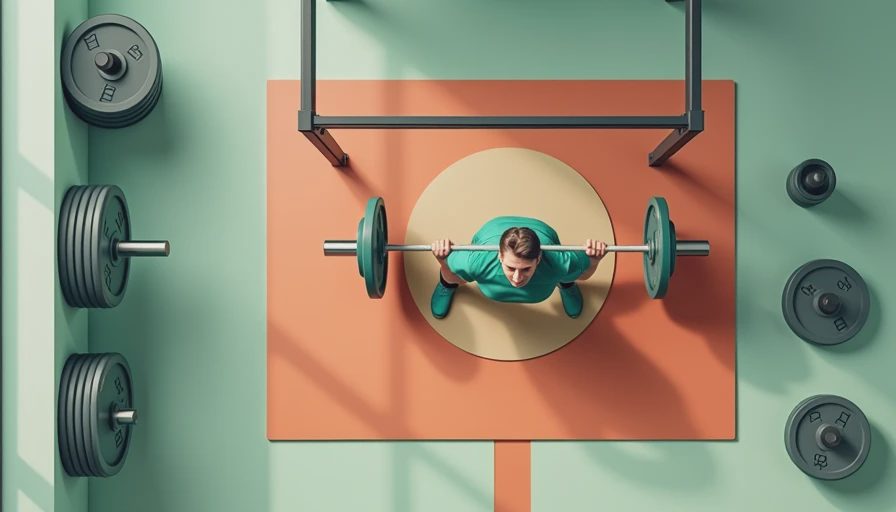
How to set up the Hatfield squat safely
Start with the bar or handles at a height that lets you get into position without a circus act. If you are using a rack, the support should be there for balance, not for hauling yourself out of the hole. Your hands should stay light. If your arms are doing real work, the load is too heavy or the setup is off.
Use a stance that lets you hit depth without your heels peeling up or your knees collapsing inward. For many people, that means shoulder-width or slightly wider, with toes turned out a little. Brace before every rep, inhale into your belly and sides, and keep your ribs stacked over your pelvis. That basic brace is worth more than chasing an extra 20 pounds.
If you wear lifting shoes or use small heel wedges, the movement may feel even better because ankle mobility is often the hidden limiter. Stay controlled on the way down, pause for a split second if you tend to bounce, and stand up with intent.
Programming the Hatfield squat for strength or muscle
If you want muscle, use it like a hypertrophy lift: 3 to 4 sets of 6 to 10 reps, with about 1 to 3 reps left in the tank. Rest 90 to 150 seconds. That is enough volume to grow without turning the session into cardio. If you want strength support for your main squat, use 3 to 5 sets of 4 to 6 reps after your primary barbell work, when the goal is quality force production rather than a leg pump.
I would not max this lift out every week. Build it the same boring way you build anything else. Add 5 to 10 pounds when all sets are clean, or add one rep per set before you add load. That simple double progression works well and keeps form honest.
A sample week for a recreational lifter could look like this: main squat on Monday, then two days later the Hatfield squat for three sets of eight. If recovery is poor, keep the first session heavy and make the second one moderate. You do not need to annihilate yourself to make progress.
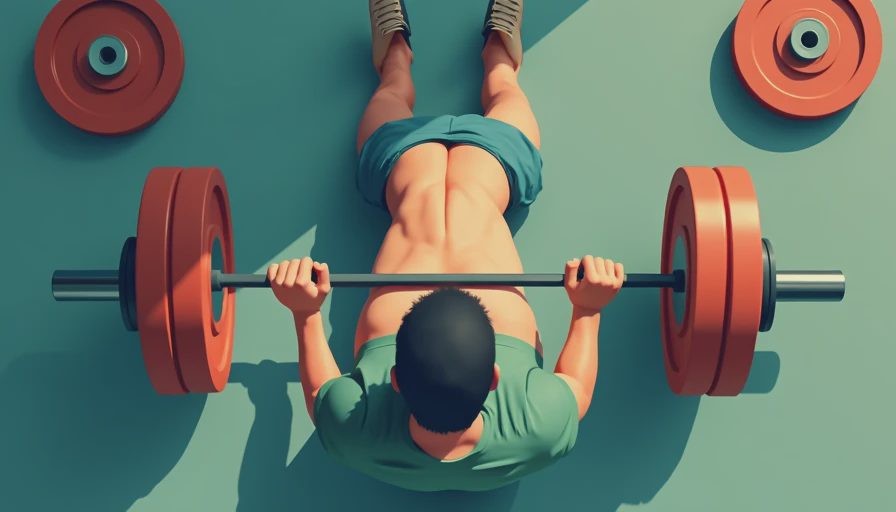
Common mistakes that turn it into junk volume
The biggest mistake is using the hands like levers. The support is there to steady you, not to turn the movement into a partial pull-up. The second mistake is loading it like an ego lift. If the bar speed dies and your knees cave, the set is over. You are training legs, not practicing bad balance.
Another common problem is cutting the range of motion short because the setup feels different from a normal squat. Depth still matters. If you stop three inches high every rep, you are leaving a lot of useful quad work on the table. You also want to avoid rushing through reps without a brace. That is how a helpful variation becomes a sloppy one.
If the lift irritates your knees, narrow your stance a little or reduce the load and slow the descent. If it irritates your shoulders or wrists, the grip is probably too aggressive. The movement should feel supported, not forced.
A simple progression for the next month
If you want a practical starting point, use the Hatfield squat once or twice a week for four weeks. Week 1, do three sets of eight with a load that feels like you could have done two more reps. Week 2, add 5 pounds and keep the reps the same. Week 3, keep the weight and try for nine reps on the first set. Week 4, either add another small jump or back off slightly and make every rep look cleaner than the week before.
That is the whole game. No detox, no secret pre-workout, no endless variation hopping. Just a stable plan, enough food to recover, and training that lets the legs do real work. If your current squat pattern is beating up your back before your quads are challenged, the Hatfield squat may be the simplest fix in the room.
Eat enough. Train hard. Repeat.



No comments yet — be the first to share a thought.