Outer chest exercises are everywhere online, usually attached to a promise about carving a sharp line along the edge of your pecs. Here is the boring truth: you cannot isolate a separate outer-chest muscle, and no movement can change where your chest attaches to your breastbone. Your pectoralis major works as a broad unit. Still, you can build more muscle across the chest by training through a full range of motion, using sensible pressing and fly variations, and adding enough weekly work to make adaptation happen.
If you have tried three workout plans and abandoned all of them by week four, you do not need a complicated chest day. You need two focused sessions, a few exercises you can perform consistently, and protein and calories that support training. The plan below works at a commercial gym, a modest home setup, or with adjustable dumbbells. Eat enough. Train hard. Repeat.
What “outer chest” really means
The pectoralis major has different fiber directions, but it is not a collection of independent muscles you can switch on one at a time. Pressing movements train the chest as you bring the upper arm across the body and extend the elbow. Fly movements challenge the chest as the arms move inward. A wider grip can change shoulder and chest positioning, but it does not magically transfer all the work to your outer pecs.
That does not make outer chest exercises useless. The phrase is a practical way to describe chest training that emphasizes a deep stretch, controlled adduction, and a strong squeeze near the top of the movement. The visual result comes from adding muscle overall, reducing body fat if that is your goal, and respecting your individual anatomy. Genetics influence chest shape. Your job is to improve the parts you can control: load, technique, recovery, and consistency.
Use a weight that leaves roughly one to three good repetitions in reserve on most working sets. If your shoulders hurt, reduce the range slightly, lower the load, and consider professional guidance rather than forcing a painful rep.
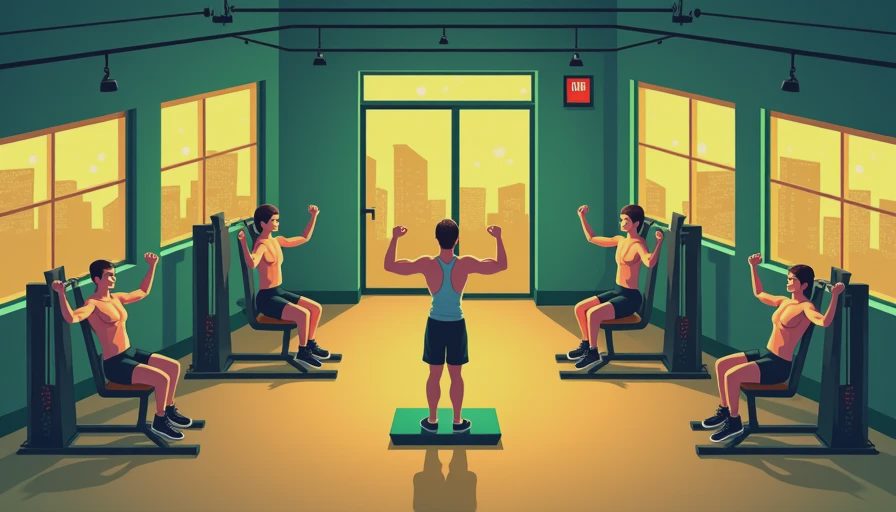
The best outer chest exercises for a complete workout
The flat dumbbell bench press is a strong starting point. Set your shoulder blades gently back and down, keep your feet planted, and lower the dumbbells until your upper arms travel slightly below your torso if that position feels comfortable. Press up without banging the weights together. Do three sets of six to ten repetitions, resting two to three minutes.
The cable fly is useful because the cable keeps tension on the chest through much of the movement. Set the handles around mid-chest height, step forward, and bring your hands together with a soft bend in the elbows. Do not turn it into a standing reverse hug. Take two seconds to open your arms, pause briefly in the stretched position, then squeeze the handles together. Two or three sets of ten to fifteen repetitions is plenty.
A low-incline dumbbell press, using roughly 15 to 30 degrees, trains the upper portion of the chest while still allowing a useful range of motion. Higher inclines shift more work toward the front deltoids. Use three sets of eight to twelve repetitions. These outer chest exercises cover heavy pressing, moderate pressing, and shortened-position chest work without requiring six different machines.
Form mistakes that steal chest progress
The first mistake is chasing an exaggerated grip width. A very wide grip can increase shoulder stress and shorten the useful range of motion. Start with your forearms nearly vertical at the bottom of a dumbbell press and adjust from there. Your best grip is the one that lets you train hard without sharp pain.
The second mistake is bouncing the bar or dropping dumbbells quickly. The stretch matters, but a relaxed shoulder joint is not the same as a trained chest. Lower under control for about two seconds, pause only when you can stay stable, and press with intent. You do not need theatrical five-second negatives unless you enjoy making ordinary sets unnecessarily miserable.
The third mistake is treating the fly as a test of flexibility. Do not force your hands far behind your body. Stop when you feel a strong chest stretch while your shoulders remain controlled. For many adults, especially anyone returning after a long break, a shorter range with clean mechanics produces better training than an impressive-looking stretch that irritates the front of the shoulder.
A practical two-day chest plan
Train chest twice per week with at least 48 hours between sessions. On Monday, perform the flat dumbbell bench press for three sets of six to ten, the low-incline dumbbell press for three sets of eight to twelve, and the cable fly for two sets of twelve to fifteen. Keep one to three repetitions in reserve on every set.
On Thursday or Friday, use a machine chest press for three sets of eight to twelve, a push-up variation for three sets stopping one or two repetitions before failure, and a single-arm cable press for two sets of ten to fifteen per side. The machine gives you stability when fatigue is high. Push-ups let you train with minimal setup. Single-arm outer chest exercises also challenge your trunk to resist rotation, which is useful for real-world strength.
Start with this eight-week approach instead of changing movements every Monday. When you reach the top of the repetition range on all sets with controlled form, add five pounds total to a dumbbell press or the smallest available cable increment. If performance drops for two consecutive workouts, sleep, food, stress, and recent activity deserve attention before you add more exercises.
How nutrition and recovery affect chest growth
A hard workout is the signal; recovery supplies the materials. Aim for roughly 1.6 to 2.2 grams of protein per kilogram of body weight per day if muscle gain is a priority. You do not need a supplement to reach that target. Greek yogurt, eggs, chicken, tofu, beans, fish, and milk can do the job. Divide protein across three or four meals so every meal has a meaningful serving.
If fat loss is your current goal, use a moderate calorie deficit rather than trying to train hard on almost no food. A daily deficit around 300 to 500 calories is often more livable than an aggressive cut, though individual needs differ. Keep carbohydrates around your training when possible: oatmeal and fruit before lifting, or rice and potatoes afterward. A chest workout is not improved by showing up underfed, dizzy, and proud of it.
Sleep seven to nine hours when you can. One poor night will not erase progress, but chronic short sleep makes hard training and appetite management more difficult. Rest days are not permission to lie motionless forever; a walk, light cycling, or normal household activity supports recovery without competing with your pressing work.
How to measure progress without nonsense
Take performance notes before you take mirror photos. Record the exercise, load, repetitions, and how many repetitions you had left. If your dumbbell press moves from 45 pounds for eight repetitions to 50 pounds for eight with the same form, that is measurable progress even if your shirt looks identical this week.
Photos can help, but use the same lighting, distance, posture, and time of day every four weeks. Body weight can fluctuate from water, sodium, digestion, and menstrual-cycle changes, so one morning's number tells you very little. A weekly average is more useful. Circumference measurements and how your clothes fit add context.
Remember what outer chest exercises can and cannot do. They can help you add muscle, improve pressing strength, and create a fuller appearance over time. They cannot spot-reduce chest fat, rewrite your bone structure, or produce a dramatic transformation in 30 days. Give the plan eight to twelve consistent weeks, eat enough protein, and progress gradually. The one change to make this week is simple: schedule two chest sessions, choose loads you can control, and stop collecting exercises you never perform.
No comments yet — be the first to share a thought.