A chest and tricep workout with dumbbells can build strength and muscle without a barbell, cable machine, or two-hour gym visit. You need a pair of weights, a stable bench or floor, and about 40 minutes. The plan below is deliberately simple: press, fly, extend, repeat. Your job is to use controlled reps, record the weights, and show up consistently.
This is not a promise of a six-pack in 30 days. Muscle comes from repeated training, enough protein, adequate recovery, and time. If fat loss is your goal, remember that dumbbells help preserve or build muscle, but your overall calorie intake still determines whether body weight trends down. Eat enough. Train hard. Repeat.
The Workout: Sets, Reps, and Order
Complete this chest and tricep workout with dumbbells once or twice weekly, leaving at least 48 hours before training the same muscles hard again. Start with five minutes of easy movement: brisk walking, arm circles, shoulder rolls, and a few unloaded presses. Then use a weight that leaves roughly two good reps in reserve at the end of each set.
- Dumbbell bench press: 4 sets of 6 to 10 reps
- Incline dumbbell press: 3 sets of 8 to 12 reps
- Dumbbell fly: 2 sets of 10 to 15 reps
- Two-arm overhead triceps extension: 3 sets of 8 to 12 reps
- Dumbbell floor skull crusher: 3 sets of 10 to 15 reps
- Close-grip dumbbell press: 2 sets of 10 to 15 reps
Rest two to three minutes after presses and 60 to 90 seconds after isolation exercises. If you are returning after a long break, begin with two sets per exercise for the first two weeks. You do not earn extra results by making your elbows, shoulders, and sleep miserable.
Choose a load you can control. A person new to lifting might start pressing 10- to 25-pound dumbbells, while an experienced lifter may use substantially more. The number is not the achievement. Full-range, repeatable reps are.
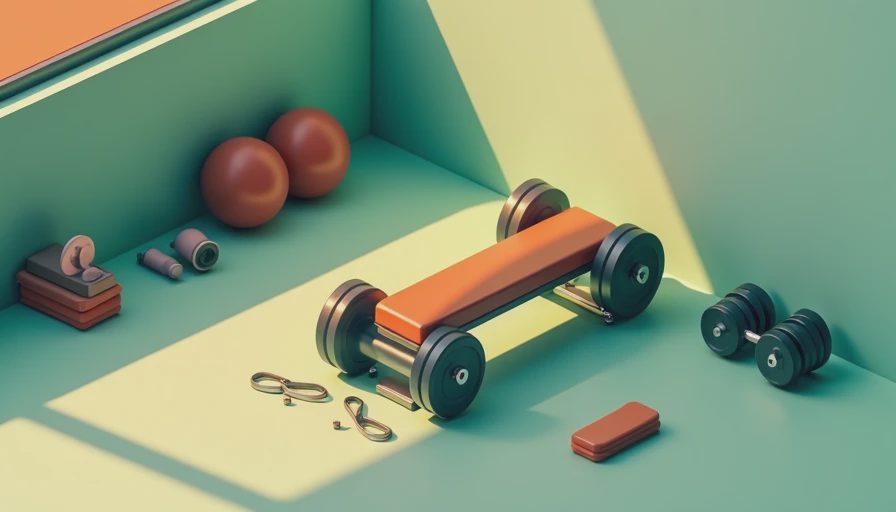
How to Perform Each Exercise Without Making It Fancy
For the flat dumbbell press, plant your feet, pull your shoulder blades gently toward the bench, and lower the weights toward the sides of your chest. Keep your wrists stacked over your elbows. Press up without banging the dumbbells together. Your elbows do not need to be pinned to your ribs, but avoid flaring them straight out.
Set the bench to a modest incline for the incline press, usually around 30 degrees. A steep angle turns the movement into more of a shoulder press. Keep your ribs down and avoid arching aggressively to force out another repetition. The chest should do the work, not momentum.
For flyes, use a lighter weight than you expect. Keep a soft bend in the elbows and lower only as far as your shoulders remain comfortable. Think about bringing your upper arms together rather than smashing the dumbbells together. On the floor version, the floor naturally limits the stretch, which makes it a sensible choice if your shoulders dislike deep flyes.
The overhead extension targets the triceps while your arms are overhead. Hold one dumbbell by the handle or one end, keep your elbows pointed mostly forward, and lower it behind your head. Move at the elbows instead of turning the exercise into a full-body lean. If your elbows complain, reduce the load and use a slower tempo.
The floor skull crusher is less intimidating than the name suggests. Lie on the floor, press the dumbbells above your chest, bend your elbows, and lower the weights toward the sides of your head until your upper arms touch the floor. Then extend your elbows. Keep the movement smooth; do not drop the weights near your face.
Progression That Works on a Busy Schedule
A chest and tricep workout with dumbbells only works if the training gradually becomes more challenging. Use double progression. Pick a rep range, such as 8 to 12. Keep the same weight until you can complete 12 clean reps on every set. Then increase each dumbbell by the smallest practical jump, often 2.5 to 5 pounds, and return to the lower end of the range.
Write down the date, weight, reps, and a short note about effort. “Bench press, 30s, 10/9/8/8, hard” tells you more than a vague memory of having a good workout. If your reps drop sharply from week to week, look at sleep, food, stress, and rest periods before adding more exercises.
You can also progress by improving technique. A three-second lowering phase, a brief pause near the bottom, or a cleaner range of motion can make the same 25-pound dumbbell more demanding. Do not use every progression method at once. Add one change, repeat it for several sessions, and see whether performance improves.
For most adults, two weekly sessions are enough to make progress when recovery and nutrition are reasonable. A Monday and Thursday schedule works well. If you train only once per week, keep the full routine and focus on consistent execution instead of trying to double the volume.

Nutrition and Recovery for Better Results
Training provides the signal; recovery provides the materials. Aim for a protein source at each meal, such as Greek yogurt, eggs, chicken, tofu, fish, beans, or cottage cheese. Many active adults do well with roughly 20 to 40 grams of protein in a meal, depending on body size and total daily needs. You do not need a novelty powder if regular food covers the basics.
Eat a meal containing protein and carbohydrates within a few hours before training if that helps you feel stronger. Oatmeal with Greek yogurt, a turkey sandwich, or rice with tofu are practical options. After training, eat a normal meal. There is no tiny metabolic deadline that turns a missed shake into a failed workout.
Sleep matters more than the latest supplement advertisement. Give yourself a realistic bedtime, keep caffeine earlier in the day if it disrupts sleep, and avoid stacking hard upper-body sessions on top of an already exhausted week. Soreness is not proof of progress. Better reps, more weight over time, and improved work capacity are better measures.
If you are trying to lose fat, use a modest calorie deficit rather than slashing food. A practical starting point is reducing intake by about 250 to 500 calories per day, then watching your weight trend and hunger for several weeks. Adjust based on results, not one morning on the scale.
Common Mistakes and the One Change to Make This Week
The most common error in a chest and tricep workout with dumbbells is choosing weights that are too heavy to control. Swinging, shortening the range, and bouncing out of the bottom shift tension away from the intended muscles and make shoulder irritation more likely. Lower the weight when form breaks, even if your ego files a complaint.
Another mistake is treating every set like a test of character. Stop a set when you cannot complete the next rep with safe technique. Training close to failure can be useful, especially on flyes and extensions, but grinding every press to failure creates fatigue that can ruin the rest of the week.
A third mistake is changing the routine every seven days. Keep this plan for at least six to eight weeks. Compare your first session with your last: Are the same weights moving for more reps? Is your range of motion steadier? Are you recovering between sessions? Those answers tell you more than a dramatic workout video.
This week, make one change: complete the routine exactly as written and record every set. Do not add burpees, burnout circuits, or a supplement shopping spree. Build the habit first.
When to Modify the Plan
Modify the chest and tricep workout with dumbbells if you have shoulder, elbow, or wrist pain that persists during ordinary activity or worsens with training. A neutral grip, lighter load, floor press, or reduced range may feel better, but sharp pain is not a challenge to overcome. Seek advice from a qualified health professional when symptoms continue.
If you have not exercised recently, start with two sets and leave three reps in reserve. If you have trained consistently for months, use the full prescription and add weight slowly. The best routine is not the one that leaves you crawling away from the bench. It is the one you can perform, recover from, and repeat next week.

No comments yet — be the first to share a thought.