A chest shoulder tricep routine should not require six exercises, two hours, or a supplement cabinet that costs more than your groceries. You need a repeatable plan that trains the pressing muscles hard, gives your joints enough respect, and fits into a normal week. This workout takes about 45 to 60 minutes and works well two or three times weekly, depending on the rest of your training.
I have helped thousands of people lose weight and get stronger. The boring truth is that muscle responds to consistent tension, enough food, and progressive training. It does not care whether your leggings match your water bottle. Start with the numbers below, leave one or two good repetitions in reserve on most sets, and build patiently.
What this chest shoulder tricep routine trains
Your chest, shoulders, and triceps all contribute to pressing movements, so there is natural overlap. A bench press trains the chest while the front shoulders and triceps assist. An overhead press shifts more work toward the shoulders but still asks the triceps to finish the repetition. That overlap is useful, but it also means careless volume can irritate your elbows or shoulders.
Begin with a general warm-up: five minutes of walking, cycling, or rowing, followed by two easy sets of the first pressing exercise. Do not turn the warm-up into a second workout. The goal is warmer tissue and better movement, not exhaustion before your working sets.
Use this order:
Flat dumbbell bench press: 3 sets of 6 to 10 reps.
Seated dumbbell shoulder press: 3 sets of 8 to 10 reps.
Incline machine press: 2 sets of 8 to 12 reps.
Cable lateral raise: 3 sets of 12 to 20 reps.
Rope triceps pressdown: 3 sets of 10 to 15 reps.
Overhead cable triceps extension: 2 sets of 10 to 15 reps.
Rest two to three minutes after the bench and shoulder press. Rest 60 to 90 seconds on the isolation work. If your breathing is still wild when the next set begins, take another 30 seconds. A stopwatch is useful; rushing is not.

How to choose the right weight
The best chest shoulder tricep routine uses a weight that challenges you without turning every set into a survival contest. If the plan says 6 to 10 repetitions, choose a load you can lift for at least six clean reps. Stop when you could perform roughly two more repetitions with good technique. That is often called leaving two reps in reserve.
For example, suppose 35-pound dumbbells allow 10 bench press reps, but the final two are slow and controlled. Keep that weight next session and try to repeat it. If you reach 10 reps on all three sets with steady form, move to 37.5 or 40 pounds, depending on the dumbbell jumps available. Do not increase weight simply because the calendar says it is Monday.
The same rule applies to machines and cables. A pin marked 50 pounds on one brand may not feel like 50 pounds on another, so track the equipment and your repetitions. Your logbook should show the exercise, weight, reps, and a short note about effort. Memory is a poor training tool, especially after a busy workday.
Technique that keeps the work where it belongs
On the dumbbell bench press, plant your feet, keep your shoulder blades gently pulled back, and lower the weights under control. Your elbows do not need to be glued to your sides, but avoid flaring them straight out. Press the dumbbells up without smashing them together at the top.
For the seated shoulder press, keep your ribs from lifting dramatically as the weights move overhead. A little back support is fine. If your lower back arches hard, reduce the weight or use a machine press for a more stable setup. The goal is shoulder training, not a contest to see how much you can lean backward.
Lateral raises deserve lighter weights than your ego prefers. Raise the handles or dumbbells to about shoulder height, pause briefly, and lower them slowly. If your whole body is swinging, the load is too heavy. The cable pressdown should finish with straight or nearly straight elbows while your upper arms stay mostly still. On overhead extensions, use a comfortable range and stop if your elbows complain.
Pain that is sharp, worsening, or present outside training is not a badge of commitment. Stop the aggravating movement and get qualified medical guidance when needed.
Progression for busy adults
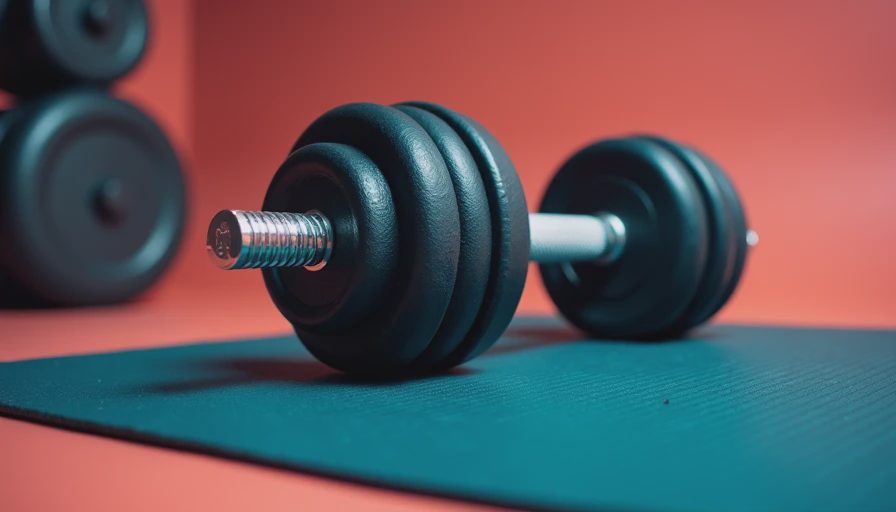
A good chest shoulder tricep routine needs a progression rule simple enough to follow during a hectic month. Use double progression: first add repetitions within the range, then add a small amount of weight. If your bench target is three sets of 6 to 10, a session might look like 8, 8, 7. Next time, aim for 8, 8, 8. Eventually, reach 10, 10, 10, then increase the load and return to about six or seven reps.
Do not add sets every time progress slows. Sleep, stress, calories, and work demands affect performance. If you have slept badly for several nights, keep the same weight and stop one or two reps earlier. One easier session protects the next month better than forcing a sloppy personal record.
Train this workout once weekly if you are new to lifting or already train your back and legs several days per week. Two weekly sessions can work well when you separate them by at least 48 hours. For the second session, use machines or cables and slightly higher repetitions to reduce repetitive strain. A sample week might place pressing on Monday and Thursday, with pulling and leg training on the days between.
Food and recovery still count
Training provides the stimulus; recovery supplies the materials. Aim for a protein-containing meal three or four times daily. A practical target for many active adults is roughly 25 to 40 grams of protein at a meal, using foods such as Greek yogurt, eggs, tofu, chicken, fish, beans, or cottage cheese. You do not need a branded shake if regular food covers the job.
If fat loss is your goal, use a modest calorie deficit rather than trying to survive on lettuce and determination. A deficit around 300 to 500 calories per day is a common starting point, but your body size, activity, and medical history matter. Carbohydrates before training can improve energy: try oatmeal with yogurt, a banana with peanut butter, or rice and a lean protein meal a few hours beforehand.
Sleep is not optional recovery theater. Work toward seven or more hours when possible, and schedule rest days that include normal walking instead of punishing cardio. Strength might rise slowly while body weight falls, especially if you are new to resistance training. That is progress, not failure.
Your one change this week
Write down every working set from this chest shoulder tricep routine before you leave the gym. Use a load that permits controlled repetitions, rest long enough to perform well, and try to add one repetition somewhere next time. That is the entire assignment.
Skip the dramatic 30-day transformation promise. Give this plan eight to twelve weeks, keep your protein consistent, and adjust only one variable at a time. If an exercise causes persistent joint pain, replace it with a comfortable machine or cable variation rather than abandoning the whole workout. Eat enough. Train hard. Repeat.


No comments yet — be the first to share a thought.