If your wrists fold back every time you lower the bar, benching with wrist wraps can help you keep the joint stacked instead of cranked into extension. That does not make you stronger by magic. It just gives your wrist a firmer shelf so the force from the bar moves into your forearm and upper body instead of dumping into a bent joint. For a lot of lifters, that means less ache, a steadier bar path, and a better chance of finishing heavy work without thinking about the pain in your hands.
The important part is simple: wraps should support a good bench setup, not replace one. If your grip is too wide, your bar is sitting high in your palm, or your shoulders are loose, a wrap will not save the set. But if your wrists are the weak link on pressing day, the right pair can make training feel more controlled right away.
What wrist wraps do on the bench
Wrist wraps work by limiting how far the wrist bends backward under load. On a bench press, that matters because the bar wants to roll toward your fingers, especially when the weight gets heavy or your grip is a little off. A wrap gives you a stiffer surface, which helps keep the knuckles stacked over the forearm instead of letting the wrist collapse.
That is useful for lifters who press a lot, people with long forearms, and anyone whose wrists get cranky after barbell work. It is also common in powerlifting gyms, where a small position change can save a big lift. You will usually see two styles: softer, more flexible wraps for general training and stiff competition-style wraps for heavier work. The stiffer the wrap, the more support you get, but the less comfortable it feels on lighter sets.
Benching with wrist wraps is not about turning a 185-pound bench into 225. It is about making your setup repeatable. If your wrist pain drops from a 6 out of 10 to a 2, that is enough to keep a week of pressing on track.
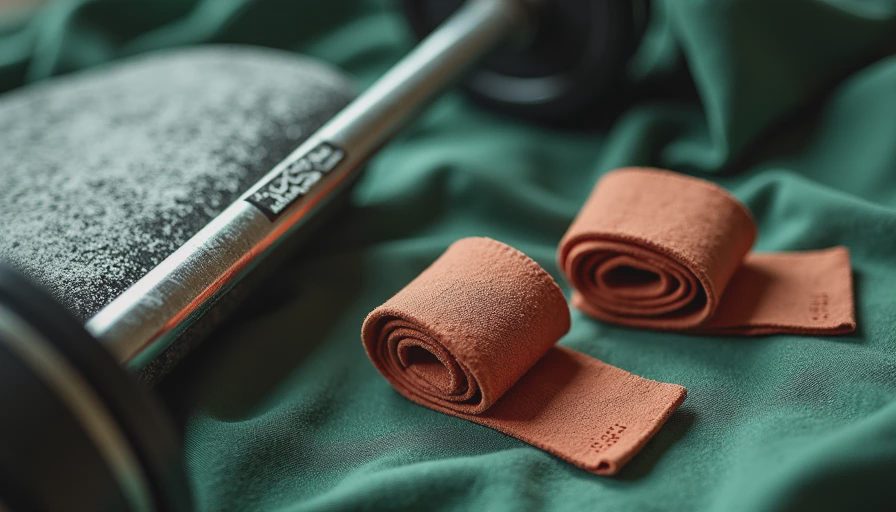
When benching with wrist wraps makes sense
Use them when your working sets are heavy enough that your wrists start to drift back, when a previous strain nags at you, or when you are doing more volume than usual and your hands are getting beat up. I usually think of them as a tool for top sets, hard back-off sets, and testing days. Warm-ups do not need them unless your wrists are already irritated.
If you are a newer lifter, the first job is learning to hold the bar lower in the palm, keep the wrist neutral, and squeeze the bar hard. That setup alone fixes a lot of discomfort. Once that is in place, wraps become a nice upgrade instead of a crutch. For someone pressing three or four times a week, that matters. You want enough support to keep training, but not so much gear that you stop learning how to bench well.
A simple rule works for most people: no wraps on the empty bar and first few work sets, then add them when the load or fatigue starts to expose the wrist. That gives you feedback without making every rep dependent on equipment.
How to fit them without turning your hands into a tourniquet
Fit matters more than brand name. The wrap should be snug, but your fingers should not tingle and your hand should not go pale. Start with the thumb loop if the wrap has one, then wind the material across the wrist so the support sits just below the base of the hand. You want the wrap to stop the wrist from folding, not pinch the soft tissue where the hand bends.
Angle matters too. A slight diagonal wind usually feels better than stacking every layer in one spot. If you feel the wrap cutting into the back of your hand, it is probably too high. If you feel nothing at all, it is too loose. The sweet spot is boring: enough tension to feel stable, enough comfort to finish your reps.
Benching with wrist wraps should also make your bench feel more organized. The bar should still sit over the forearm, your elbows should still track under control, and your upper back should still be tight. If the wrap is doing all the work, your technique is leaking.
Common mistakes that make them useless
The first mistake is using wraps on every set because they feel good. That sounds harmless, but it can hide bad wrist position until a heavier day exposes it anyway. The second mistake is buying the stiffest wrap on the market when all you need is moderate support. A lot of lifters do better with a 12- to 18-inch wrap for general training and save the 24-inch monsters for meets or true max attempts.
Another mistake is treating wraps like a painkiller. If your wrist hurts because the bar is too high in your hand or your forearms are not vertical, the answer is better positioning, not more tension. The wrap should reduce stress, not mask a setup problem. And if pain is sharp, swelling is present, or the joint feels unstable, the smart move is to stop pressing through it and get it checked.
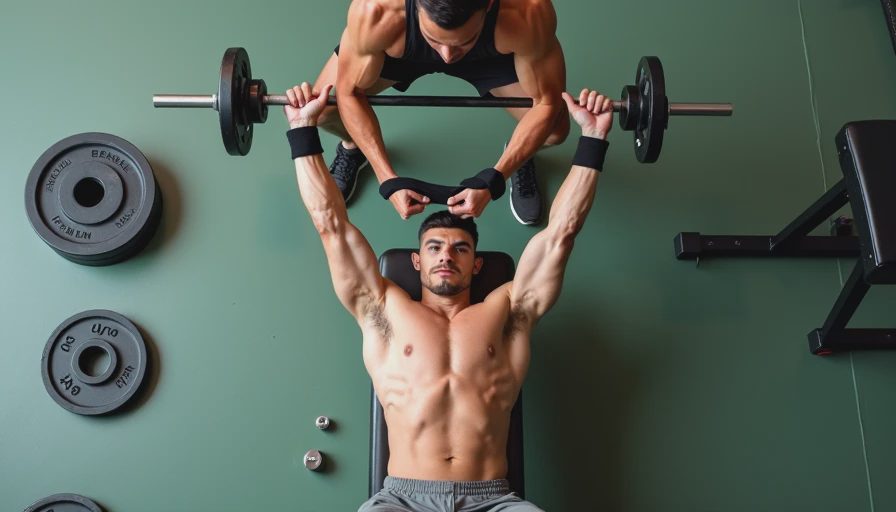
What to buy if you want real support
You do not need to spend a fortune, but cheap junk is a waste of money. Basic nylon wraps from brands like Harbinger or Gymreapers often land around $15 to $25 and are fine for general gym use. Midrange options from Rogue, Inzer, or SBD usually run more like $30 to $60 and give you better stitching, better Velcro, and more consistent stiffness. If you bench hard year-round, that extra durability is worth it.
Think about length before you think about hype. Shorter wraps are easier to manage and usually plenty for most recreational lifters. Longer wraps give more support, but they take more practice to put on well. If you mostly want comfort on heavy sets, start moderate. If you compete in powerlifting, match your choice to the federation rules and the feel you want on your heaviest bench work.
The one change I would make this week is simple: use your wraps only on the last two working sets of your bench day, then notice whether your wrists stay stacked and your bar speed stays cleaner. That is enough data to tell you if they belong in your bag. Bench smart, keep the setup tight, and do not confuse gear with skill. Eat enough. Train hard. Repeat.



No comments yet — be the first to share a thought.