Start with 2 sets of 5 to 8 controlled reps, using a weight you can lift without fighting for position. The deadlift trains your hips, legs, back, and grip by teaching you to pick up a load and put it down with control. You don't need a max attempt, a lifting belt, or a bar bending under a mountain of plates. You need a manageable weight and a repeatable setup.
What a deadlift does for you
A deadlift is a hip-hinge exercise: your hips move back as you bend forward, then drive forward as you stand. Your glutes and hamstrings do substantial work, your legs contribute, and your back and abdominal muscles help support your trunk. Your hands and forearms get a workout, too.
That carries over to ordinary life. Picking up a laundry basket or a bag of garden soil involves the same general pattern: get close to the load, brace, and use your hips and legs. The gym version lets you practice that pattern and gradually make it stronger.
For fat loss, lifting helps you maintain muscle while losing weight. It does not cancel out your eating habits, and a sweaty set isn't a reliable measure of calories burned. Strength training and a sustainable eating plan work together; neither needs to be punishment.
How to set up and lift
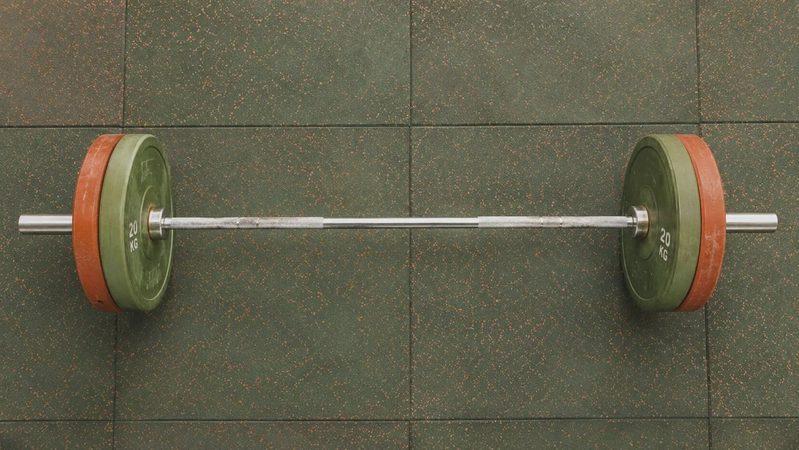
A conventional barbell deadlift starts with the bar on the floor. If reaching it makes you round significantly or shift out of control, raise the bar on stable blocks or start with a weight held at a more comfortable height. The floor is not a finish line you must reach.
Stand with your feet about hip-width apart and the bar over the middle of your feet. Turn your toes out slightly if that feels natural. Hinge at your hips, bend your knees as needed, and grip the bar just outside your legs. Your shins can come close to the bar; your shoulders will generally be slightly in front of it.

Before you lift, take a breath into your midsection and tighten your trunk as though preparing for a gentle shove. Keep your arms straight, draw your shoulders away from your ears, and take the slack out of the bar by building tension before it leaves the floor. Look at a spot on the floor a few feet ahead rather than craning your neck up.
Push the floor away and let your hips and shoulders rise together. Keep the bar close to your legs. Stand tall at the top, with your hips extended and ribs stacked over your pelvis. You don't need to lean backward or squeeze so hard that you arch your lower back.
To lower the weight, send your hips back first, keeping the bar close. Bend your knees as the bar passes them, then return it to the floor under control. Reset your breath and position before the next rep. A brief pause is perfectly fine; this isn't a race.
Pick a deadlift variation that fits
The best starting variation is the one you can control through a comfortable range of motion. Different bodies and different equipment call for different setups.
A dumbbell deadlift is a practical place to begin. Hold a dumbbell in each hand at your sides or in front of your thighs, hinge back, and lower only as far as you can while keeping control. You can also use one dumbbell held between your legs. You don't have to touch the floor on every rep.
A trap-bar deadlift puts you inside a bar with handles at your sides. If your gym has one, it can be a useful option for people who find a straight bar awkward. Some trap bars have raised handles, which reduce how far you need to reach. The bar itself has weight, so account for that before adding plates.
A Romanian deadlift starts from standing rather than the floor. Hold the weight close to your body, soften your knees, and hinge until you feel a manageable stretch in your hamstrings. Stand back up without bouncing. It's a good way to practice the hinge, but don't force extra depth just to make the weights travel farther.
Build a routine without chasing a personal record
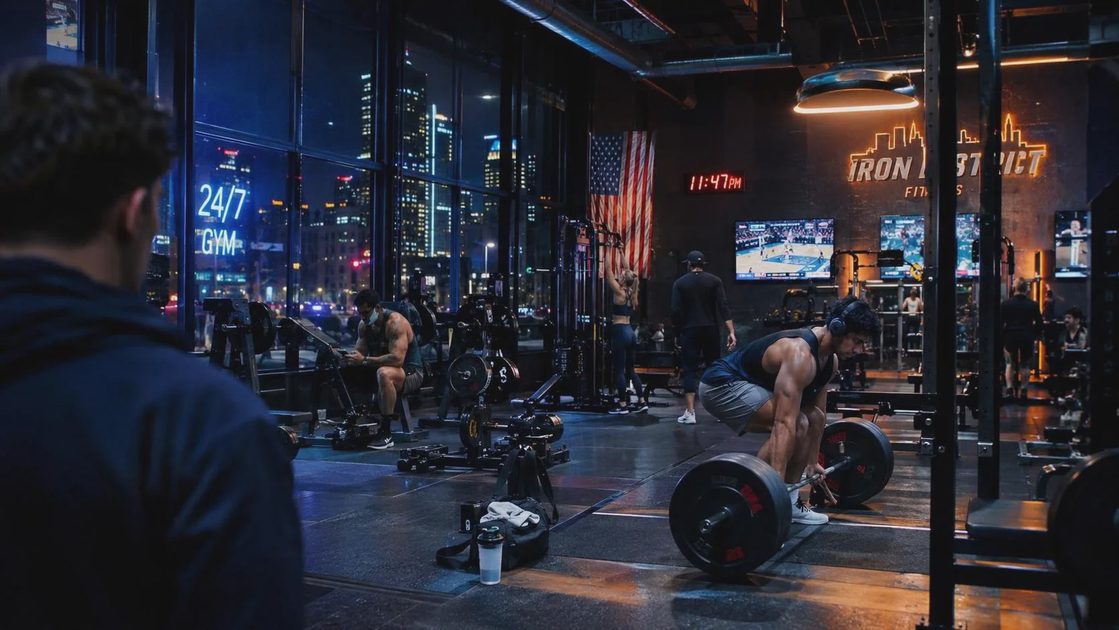
For your first couple of weeks, practice the deadlift once or twice a week on nonconsecutive days. Begin with a few easy reps using little or no weight. Then do 2 sets of 5 to 8 reps at a load that leaves you feeling as though you could do another 2 or 3 with good control.
When all your reps feel steady across multiple sessions, add a small amount of weight or a rep or two. Change one thing at a time. Rest about 1 to 3 minutes between working sets so your grip and breathing can recover. If your position falls apart, reduce the load or stop the set.
You don't need to train the deadlift to exhaustion to make progress. Pair it with a squat or lunge, a push, and a row in a full-body routine. Two or three strength sessions a week can fit around work, family, and the occasional Tuesday that goes completely sideways. A shorter session still counts.
Common mistakes and when to get help
The most common mistake is starting too heavy. If the bar drifts away from your legs, your hips shoot up before your shoulders, or you have to yank the weight off the floor, lighten it and reset. A little variation in technique is normal; a load you can't control isn't a badge of honor.
Don't hold your breath for an entire set. Brace for the effort, then breathe and reset between reps. If you have a condition affected by straining or have been told to limit exertion, ask your clinician how to approach lifting.
Muscle effort and some next-day soreness can happen. Sharp pain, pain that worsens as you lift, or symptoms such as radiating pain, numbness, or weakness are reasons to stop and seek guidance from a qualified clinician. A qualified strength coach can also check your setup and help you find a comfortable variation.
Your assignment this week: choose one variation, practice 2 controlled sets, and write down the weight and reps. Then come back and do it again. Eat enough. Train hard. Repeat.
No comments yet — be the first to share a thought.