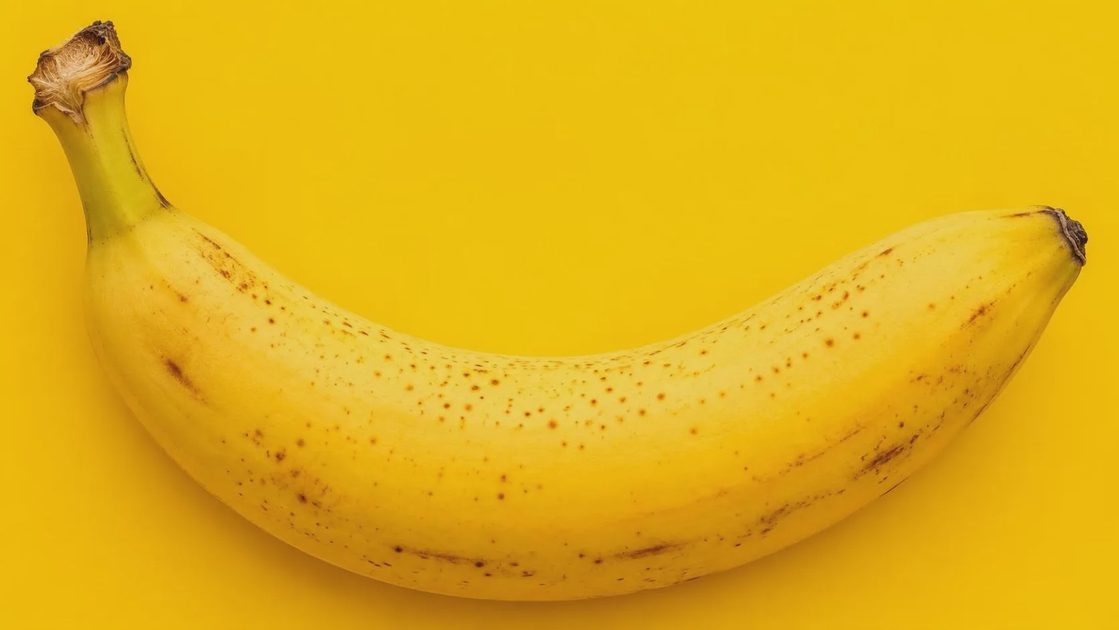
A medium banana has about 105 calories. Banana calories vary with size: a small one has roughly 90, while a large one has around 120. Those estimates are for the edible fruit, not the peel. If you're tracking food, pick the closest size and move on; you don't need a lab report to eat breakfast.
Banana calories by size
A typical medium banana is about 7 to 8 inches long and weighs approximately 118 grams without the peel. Here are useful estimates for raw bananas:
An extra-small banana, under 6 inches long, has about 70 calories. A small banana, 6 to 7 inches long, has about 90 calories. A medium banana, 7 to 8 inches long, has about 105 calories. A large banana, 8 to 9 inches long, has about 120 calories. An extra-large banana, 9 inches or longer, has about 135 calories.
These are estimates, not promises. Two bananas of the same length can have different amounts of edible fruit. If you want a more precise number, weigh the banana after peeling it. Raw banana has roughly 89 calories per 100 grams. Multiply the peeled weight in grams by 0.89 for an estimate: 120 grams comes to about 107 calories.
Don't weigh the whole banana and log that number as peeled fruit. The skin adds weight you aren't eating. And don't let a 10-calorie difference hijack your morning. Consistency matters more than getting every piece of fruit down to the last calorie.
What else is in a banana?
A medium banana provides about 27 grams of carbohydrate, including roughly 3 grams of fiber, along with around 1 gram of protein and very little fat. It also supplies potassium and vitamin B6. The carbohydrate number includes the fiber and naturally occurring sugars; you don't add those on top.
That carbohydrate is useful fuel, especially around activity. It doesn't make a banana a problem food. Your body breaks down carbohydrates into sugars it can use for energy, and your overall eating pattern matters much more than whether one snack contains fruit sugar.
Ripeness changes the type of carbohydrate: as a banana ripens, some starch converts to sugar, so it tastes sweeter. Banana calories don't suddenly double when brown spots appear. A ripe banana can be a practical choice before exercise when you want something soft and easy to eat.
If you have diabetes, the carbohydrate count can help you plan a portion alongside the rest of your meal. Individual blood sugar responses vary, so use your own monitoring and the guidance of your diabetes care team rather than assuming every banana affects everyone the same way.
Do banana calories fit a fat-loss plan?
Yes. Fat loss depends on your overall energy balance over time, not on banning a particular fruit. A banana can fit into a calorie deficit, a maintenance plan, or a higher-calorie training day. It is portable, inexpensive in many stores, and requires no prep beyond peeling.
The more useful question is whether the snack keeps you satisfied until your next meal. A banana alone may be enough before a workout or when dinner is an hour away. If lunch is several hours off, add protein or fat: try it with plain Greek yogurt, a glass of milk, or a spoonful of peanut butter. Those additions bring their own calories, but they may make the snack more satisfying.
For example, a medium banana plus one tablespoon of peanut butter is roughly 200 calories, depending on the peanut butter. That's a different snack from a banana alone, not a mistake. Measure the peanut butter if you're tracking closely; a generous scoop can easily be more than a tablespoon.
You don't need to earn fruit with exercise, and you don't need to cut it out to see progress. If hunger is making your plan hard to follow, look at the size and protein content of your meals before blaming a 105-calorie banana.
How to log banana calories accurately
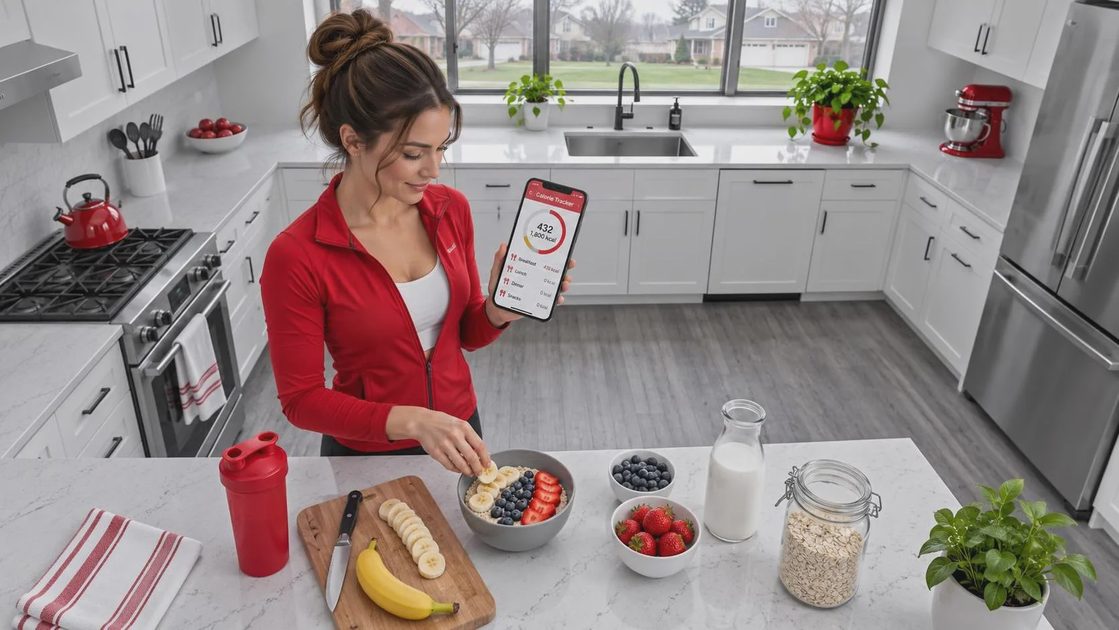
For a whole banana, use a food database entry for raw banana and choose the closest size. If you're weighing it, select an entry that lets you enter grams and record only the peeled portion. A food scale is useful when the banana is unusually large or you're splitting one between servings, but it isn't required for everyday tracking.
For a smoothie, log each ingredient separately: banana, milk or yogurt, nut butter, and anything else you add. A medium banana contributes about 105 calories, but the finished drink can contain much more depending on the rest of the recipe. The same goes for oatmeal: fruit on top counts separately from the oats and other toppings.
Banana chips are another story. They're dried and may be fried or sweetened, so their calories per ounce can be much higher than those of fresh fruit. Read the package and weigh or measure the portion if accuracy matters to you. Banana bread and muffins are recipes, not equivalent servings of plain fruit; flour, oil, sugar, and portion size all affect the total.
When to eat one for training
A banana is a convenient source of carbohydrate before a run, lifting session, or other workout. Timing is personal: some people like a small snack 30 to 60 minutes beforehand, while others prefer more time to digest. Start with what feels comfortable rather than forcing a full banana right before a hard session.
After training, pair carbohydrate with a source of protein when your next meal isn't coming soon. Banana and Greek yogurt is one easy option. If you're eating a balanced meal shortly after exercise, there's no need to rush a separate snack just because the workout ended.
This week, make one change: keep a banana available for the time of day when you're most likely to skip a meal or grab whatever is closest. Pair it with protein if you need it to last longer. Eat enough. Train hard. Repeat.

No comments yet — be the first to share a thought.