Three to five grams a day. That's the practical creatine dose for most healthy adults who want to support strength training. Thorne Creatine is a creatine monohydrate powder, and it's a reasonable choice if you want a straightforward supplement. It is not a fat burner, and you don't need it to lose weight. Whether it's worth buying comes down to price, your preference for product certification, and whether you'll take it consistently.
What Thorne Creatine can actually do
Creatine helps your muscles rapidly regenerate energy during short, hard efforts, such as a challenging set of squats. With regular use and resistance training, it can help you perform more work and improve strength over time. Research on creatine monohydrate supports those benefits; the supplement doesn't build muscle while you sit on the couch.
That matters during fat loss because resistance training helps you retain muscle while you eat in a modest calorie deficit. Creatine may support the training part of that equation. It doesn't replace adequate protein, a workable eating pattern, or a plan to lift consistently.
Thorne Creatine is one option for someone who wants a single-ingredient monohydrate powder. Optimum Nutrition Micronized Creatine Powder is another option for people comparing established brands, while plain creatine monohydrate from NOW Sports may suit shoppers looking for an alternative. Compare the actual labels and cost per serving; you don't need a fancy blend to get the ingredient studied most extensively.
How to take it without overthinking it
Take 3 to 5 grams of creatine monohydrate daily, including rest days. Check the serving size on your particular container of Thorne Creatine rather than assuming every scoop from every brand holds the same amount. A small kitchen scale can help if the label gives a weight but your scoop is missing.
Mix it into water or another drink, or stir it into food if that's easier. Timing matters less than taking it consistently. With breakfast, after a workout, or alongside dinner all work. Pick the time you can remember on a chaotic Tuesday.

You don't have to load creatine. A loading approach typically uses about 20 grams daily, divided into smaller doses, for roughly five to seven days, followed by 3 to 5 grams daily. That fills muscle stores faster but can cause stomach upset. Taking 3 to 5 grams daily from the start also works; it simply takes several weeks to build up muscle stores.
If your stomach complains, try a smaller dose with a meal or split your daily amount. Persistent discomfort is a good reason to stop and talk with a clinician rather than forcing it. There is no prize for tolerating a supplement.
Will the scale go up?
It can. Creatine increases water stored in muscle, especially as your muscles become saturated. Some people notice an increase in body weight; the amount and timing vary. That water is not body fat, and it doesn't mean your eating plan stopped working.
If you start Thorne Creatine while trying to lose fat, give the scale some context. Compare weight trends over several weeks rather than reacting to one morning's number. You can also track your lifts, how your clothes fit, or waist measurements if those measures are useful and don't add stress.
You don't need to drink gallons of water to make creatine work. Drink regularly, and pay attention to thirst, exercise conditions, and any fluid guidance from your clinician. More isn't automatically better.
Is it safe, and who should check first?
For healthy adults, creatine monohydrate has a substantial safety record at recommended doses. That doesn't mean every supplement is right for every person. If you have kidney disease, a history of kidney problems, or are taking medication that affects kidney function, talk with your healthcare professional before starting.
If you're pregnant or breastfeeding, discuss it with your clinician first; routine supplementation in those circumstances isn't as well established. The same goes for anyone managing a complex medical condition. Creatine can also affect blood creatinine measurements, so tell your care team you take it before lab work. A changed lab value needs interpretation in context, not a panic-fueled internet search.
Thorne Creatine may not be necessary if you don't do resistance training or other repeated high-intensity exercise. The potential benefit is generally smaller for activities where short bursts of power aren't a major factor. Spend your effort on a realistic walking or training routine first; supplements are optional extras.
How to decide if the price is worth it
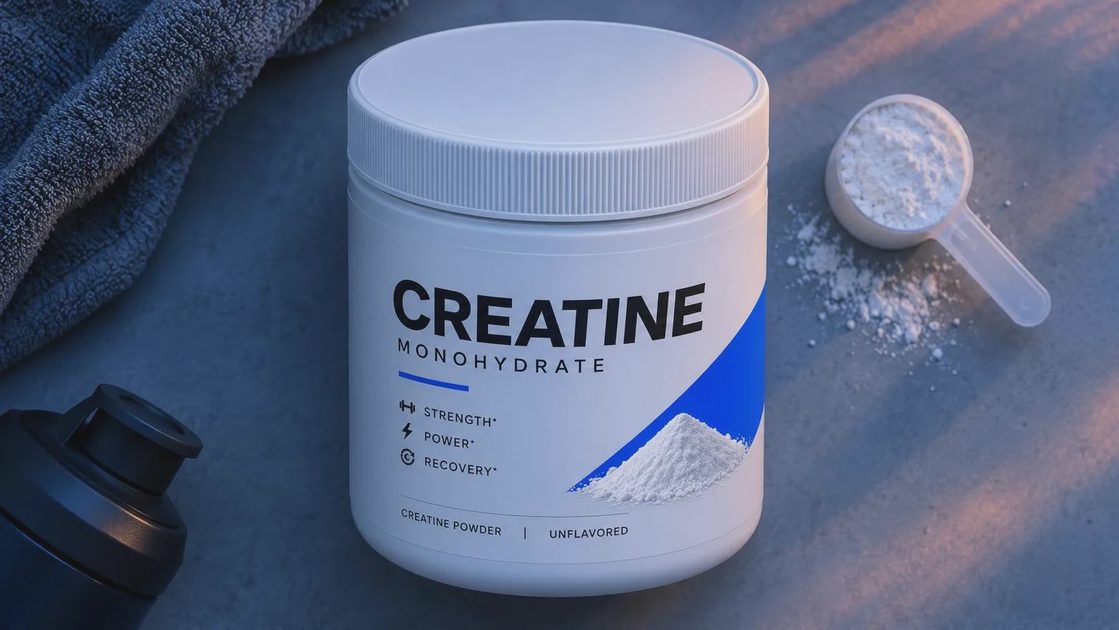
Start with the ingredient panel. Look for creatine monohydrate and note the grams per serving. Then divide the container price by the number of servings to compare products fairly. A bigger tub isn't automatically cheaper per effective dose, and a proprietary workout blend can make it harder to tell how much creatine you're actually getting.
Also check the container for independent certification that matters to you. Some athletes need products certified for sport because their competitions prohibit certain substances. Look up the exact product in the certifier's directory and check that the packaging matches; certification can differ by product and may change. Certification reduces certain risks but doesn't make a supplement a guarantee against every possible problem.
I wouldn't pay a large premium for Thorne Creatine on the assumption that its monohydrate will produce dramatically different results from another reputable plain monohydrate product. If the price and certification fit your needs, it's a sensible pick. If they don't, choose another clearly labeled option and put the savings toward food you enjoy.
The one change to make this week
Before buying any powder, schedule two manageable strength sessions. Choose movements that cover your legs, a push, and a pull; two or three sets of each is a useful place to start. Pick weights that make the last few repetitions challenging while allowing good form.
If those sessions are already part of your week and your healthcare situation allows it, add 3 to 5 grams daily and give it several weeks. Keep eating enough protein and don't slash calories to chase a faster result. Eat enough. Train hard. Repeat.


No comments yet — be the first to share a thought.