Most weekends from spring through fall, I end up in the White Mountains of New Hampshire. Some days are short summit pushes. Others stretch to ten miles or more with elevation that makes the distance feel longer than the number suggests.
I am a registered dietitian, not an ultrarunner. I do not carry a complicated nutrition strategy or a dozen specialized gels. I carry a snack pack that keeps me moving, thinking clearly, and enjoying the day instead of counting the minutes until I’m back at the car.
What I’ve learned on those trails applies to more than hiking. It applies to anyone who trains hard and still wants to lose fat or maintain their results without running on empty.
Why Fueling Matters on the Trail
A ten-mile day in the Whites is real work. Elevation gain, uneven terrain, weather shifts, and hours on your feet increase energy demand well beyond a normal day of walking around Boston. Under-fueling shows up quickly: decision-making gets worse, pace drops, mood sours, and the last few miles feel disproportionately hard.
The same pattern appears in the gym or in daily life when people combine training with aggressive calorie restriction. Performance falls, recovery suffers, and the activity that should support fat loss starts to feel like punishment.
Eating enough to support the work is not the opposite of fat loss. It is one of the conditions that makes consistent training possible.
What Goes in the Snack Pack
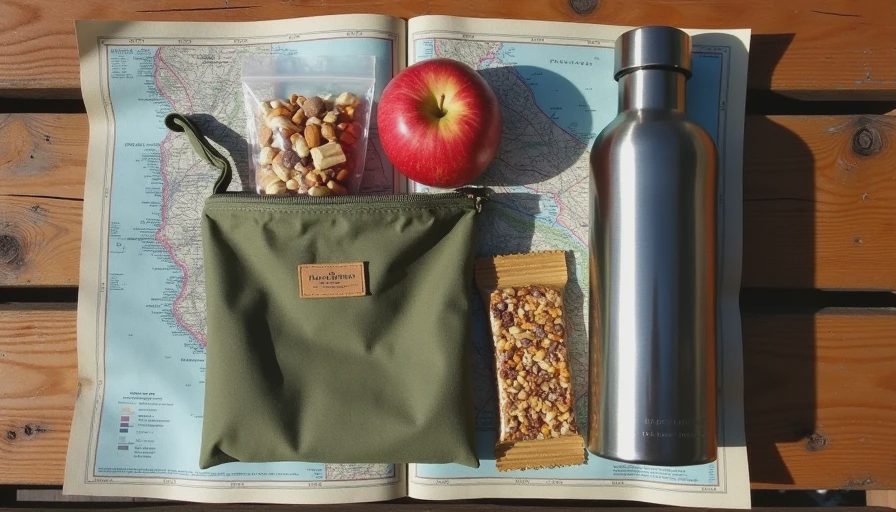
I keep it simple and practical. The exact contents vary by season and distance, but the principles stay consistent:
Carbohydrates for immediate and sustained energy. Trail mix with dried fruit, a couple of soft bars, pretzels, or a peanut butter and honey sandwich. Easy to eat while moving, no complicated preparation.
Some protein and fat for staying power. A small amount of nuts, cheese, or jerky helps the snacks feel more satisfying and slows the energy release.
Electrolytes and fluid. Water is non-negotiable. On longer or hotter days I add an electrolyte packet or two. Sweat loss in the mountains is easy to underestimate.
Something that actually tastes good when you’re tired. Preference matters. Food you have to force down when you’re already fatigued often stays in the pack.
I do not aim for perfect macros on the trail. I aim for steady energy and enough total intake so that I finish the hike capable of driving home safely and feeling human the next day.
Timing Beats Perfection
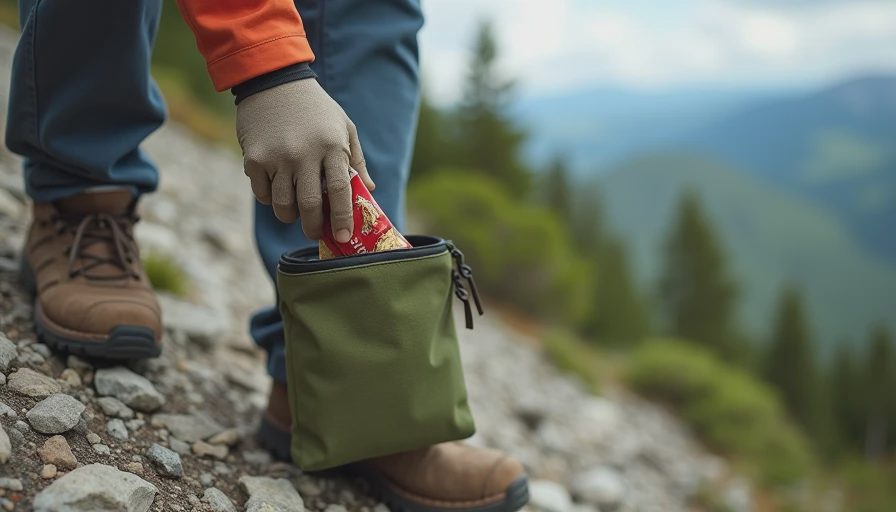
I eat before I’m hungry. Waiting until energy crashes makes it harder to recover on the move. A small snack every 60–90 minutes works better for me than trying to push through and then over-correcting.
This mirrors good practice around training in general. People who undereat all day and then try to fuel a hard session often perform poorly and recover slowly. Spreading intake across the day, with attention to the hours around training, supports better output and better adaptation.
Lessons That Transfer Off the Trail
Performance requires fuel. Whether the demand is a ten-mile hike or a strength session, chronically low intake limits what you can do and how well you recover.
Simple food works. You do not need specialized products for most efforts. Familiar, easy-to-digest options you will actually eat under fatigue are more valuable than ideal macros on paper.
Hunger and energy are data. Persistent low energy, irritability, and declining performance are signals. Ignoring them in the name of a faster deficit usually costs more progress than it creates.
Recovery continues after the effort. The hike is not finished when I reach the car. The same is true of a hard training day. Adequate food in the hours afterward supports the adaptation you did the work to earn.

What This Looks Like for Fat Loss
If you are in a calorie deficit and also hiking, lifting, or doing other demanding activity, the deficit still needs to leave room for the work. A moderate gap below maintenance, high protein intake, and intelligent placement of carbohydrates around longer or harder efforts will almost always outperform aggressive restriction.
The goal is not to earn food through exercise. The goal is to fuel the activity that helps you keep muscle, stay consistent, and maintain the metabolic and psychological conditions that support long-term fat loss.
The one thing that matters
Choose one upcoming active day—whether it’s a hike, a long walk, or a hard training session—and decide in advance what you will eat to support it. Pack or prepare the food the night before. Then actually eat it on schedule instead of waiting until you feel depleted.
Pay attention to your energy in the final third of the effort and how you feel the next morning. That single planned decision often reveals how much better the work feels when it’s fueled on purpose.
The mountains do not care how motivated you are or how badly you want to be in a deficit. They respond to the energy you bring and the energy you replace.
Train hard. Eat enough to do it well.
Eat enough. Train hard. Repeat.



No comments yet — be the first to share a thought.