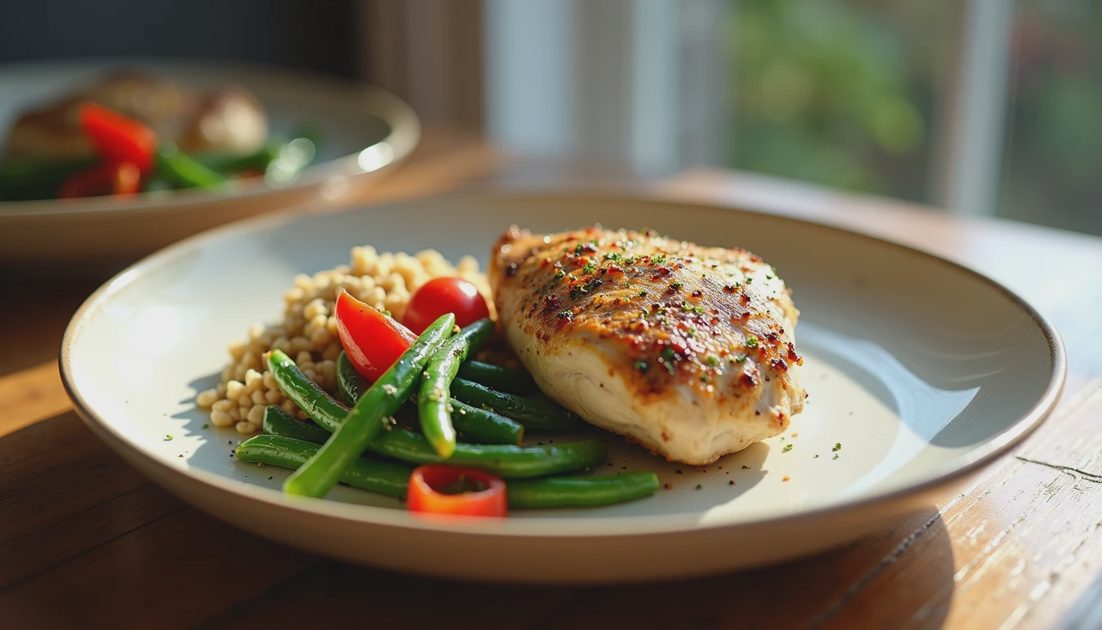
I don't care if you're keto, vegan, or omnivore—if your protein is low, your fat loss is stalled.
Here's a sentence that might surprise you: I don't care how many carbs you eat. I don't care how much fat you eat. But I do care how much protein you eat.
After 20 years as a dietitian, I can tell you the single biggest predictor of whether someone loses fat and keeps it off isn't willpower. It isn't meal timing. It isn't some fancy supplement.
It's protein.
If you make one change this week—just one—make it this: prioritize protein at every meal. Everything else gets easier after that.
Here's why.
The Problem With "Low-Quality" Weight Loss
When you lose weight, you don't just lose fat. You lose muscle too. That's the inconvenient truth nobody tells you.
A 2024 randomized controlled trial found that women following an 8-week calorie-restricted diet lost about 5.6 kg of body weight—but 1 kg of that was muscle. One kilogram of metabolically active tissue, gone. And that's with a controlled feeding study where all food was provided.
That muscle loss matters. Every pound of muscle you lose drops your resting metabolic rate. You burn fewer calories around the clock. Weight regain becomes easier, not harder. You end up lighter but with a slower metabolism—the exact opposite of what you want.
Losing muscle during weight loss is so common that researchers have a name for it: "low-quality weight loss".
Here's the fix: adequate protein protects your muscle while you're in a deficit. A high-protein diet signals your body: "We need this tissue. Don't burn it. Burn the fat instead." A 2025 systematic review and meta-analysis found that high-protein diets significantly reduced fat mass and increased lean body mass compared to normal-protein diets. Not just preserved—increased.
That's the difference between weight loss and fat loss.
How Much Protein Do You Actually Need?
The Recommended Dietary Allowance (RDA) for protein is 0.8 grams per kilogram of body weight per day. For a 150-pound person, that's about 55 grams of protein.
Here's the problem: the RDA is the minimum needed to prevent deficiency. It's not the optimal amount for fat loss, muscle preservation, or feeling full. Emerging research suggests that for active adults and anyone in a calorie deficit, the real target is much higher—1.2 to 2.0 grams per kilogram of body weight daily.
For fat loss specifically, most research points to 1.2 to 1.6 grams per kilogram (0.54 to 1 gram per pound). A 2025 review from Deakin University recommends at least 1.2 grams per kilogram per day to protect muscle and bone health during weight loss. The 2025–2030 Dietary Guidelines for Americans raised the protein serving goal to 1.2 to 1.6 grams per kilogram—a meaningful revision that reflects the growing evidence.
Here's what that looks like in real numbers:
Your Weight | Minimum (1.2 g/kg) | Optimal (1.6 g/kg) |
|---|---|---|
150 lbs (68 kg) | ~82 g | ~109 g |
175 lbs (79 kg) | ~95 g | ~126 g |
200 lbs (91 kg) | ~109 g | ~145 g |
If you weigh 150 pounds, aim for 80–110 grams of protein per day. If you weigh 200 pounds, target 110–145 grams.
That's more than most people think. And it's probably more than you're currently eating.
Why Protein Works So Well
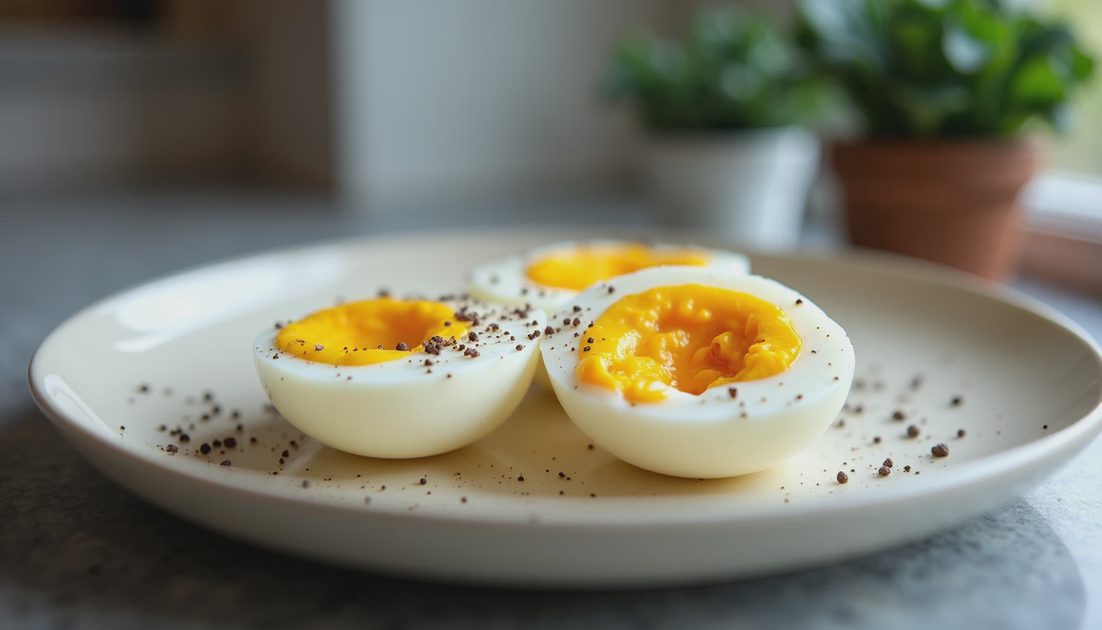
Protein does three things that make it uniquely powerful for fat loss:
1. It protects your muscle. This is the big one. When you're in a calorie deficit, your body wants to burn muscle for fuel. Adequate protein tells it to burn fat instead. A 2025 review found that high-protein diets effectively reduced fat mass while increasing lean body mass. You lose the right kind of weight.
2. It keeps you full. Protein is the most satiating macronutrient. A high-protein meal reduces levels of the hunger hormone ghrelin and boosts satiety hormones. You eat less without feeling like you're starving. That's not willpower—that's biology.
3. It burns calories just by digesting it. Protein has a high thermic effect of food (TEF). Your body burns about 20–30% of the calories from protein just digesting it. Compare that to carbs (5–10%) or fat (0–3%). Eating protein literally increases your calorie burn.
There's also a fascinating theory called the protein leverage hypothesis. It proposes that humans have a strong appetite for protein—when our diets are low in protein, we keep eating until we get enough. In other words, if you don't eat enough protein, your body will drive you to overeat calories until it gets what it needs. Prioritizing protein first may be the most effective way to control total calorie intake.
When You Eat It Matters Less Than You Think
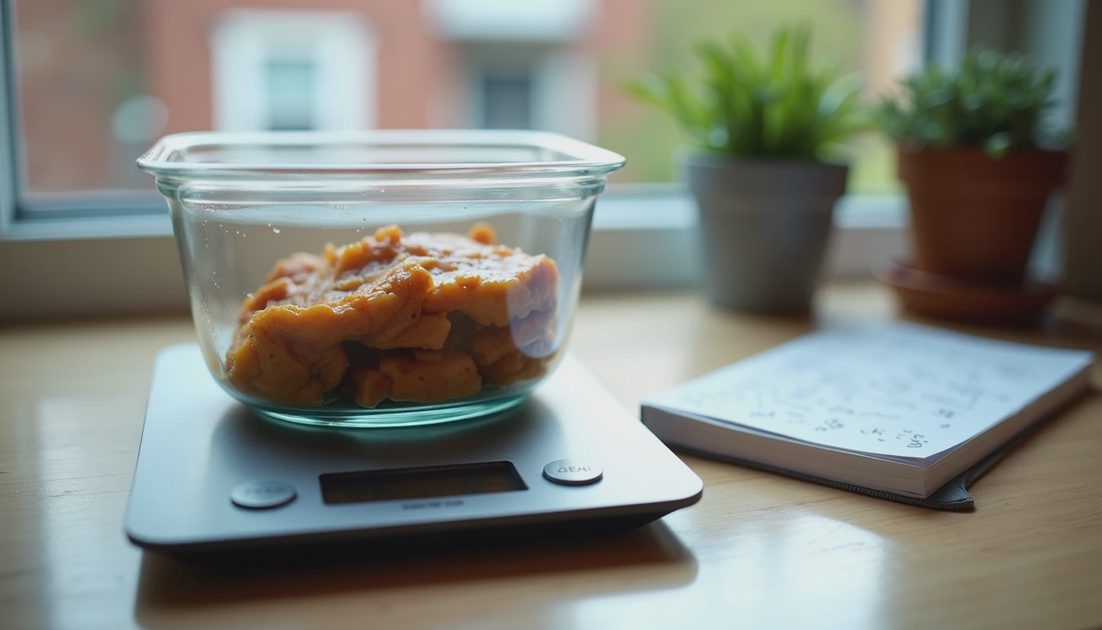
A 2024 randomized controlled trial compared two patterns of protein intake during weight loss: evenly distributed across all meals versus skewed toward dinner. The result? No significant difference in body composition changes. Total daily protein mattered more than timing.
That said, distributing protein relatively evenly across meals makes it easier to hit your daily target. Aim for 25–30 grams of protein per meal. That's about one palm-sized portion at breakfast, lunch, and dinner.
One more thing: don't skip protein at breakfast. Most people eat a carb-heavy breakfast (toast, cereal, oatmeal) and load up on protein at dinner. That pattern works less well than spreading it out.
How to Actually Hit Your Protein Target
Here's the practical part. Stop overthinking it. Start with these simple rules:
1. Protein first, always. Build every meal around the protein source, not the carb. Pick your chicken, fish, eggs, tofu, or beans first. Then add everything else.
2. Know your portions. One palm-sized portion of meat, fish, or poultry = roughly 20–30 grams of protein. Three eggs = about 18 grams. One cup of Greek yogurt = about 20 grams. One scoop of protein powder = about 20–25 grams.
3. Add protein to snacks. Apple + peanut butter? Add a hard-boiled egg. Salad? Add chicken or chickpeas. Oatmeal? Stir in protein powder or Greek yogurt.
4. Choose quality sources. Prioritize: poultry, fish and seafood, eggs, lean meats, Greek yogurt, cottage cheese, tofu, tempeh, legumes, and quinoa.
5. Supplement if you need to. Protein powder isn't a meal replacement—it's a tool. If you're struggling to hit 100+ grams from food alone, a scoop of whey or plant-based protein in a smoothie is fine.
Eat enough protein. Train hard. Repeat.
No comments yet — be the first to share a thought.