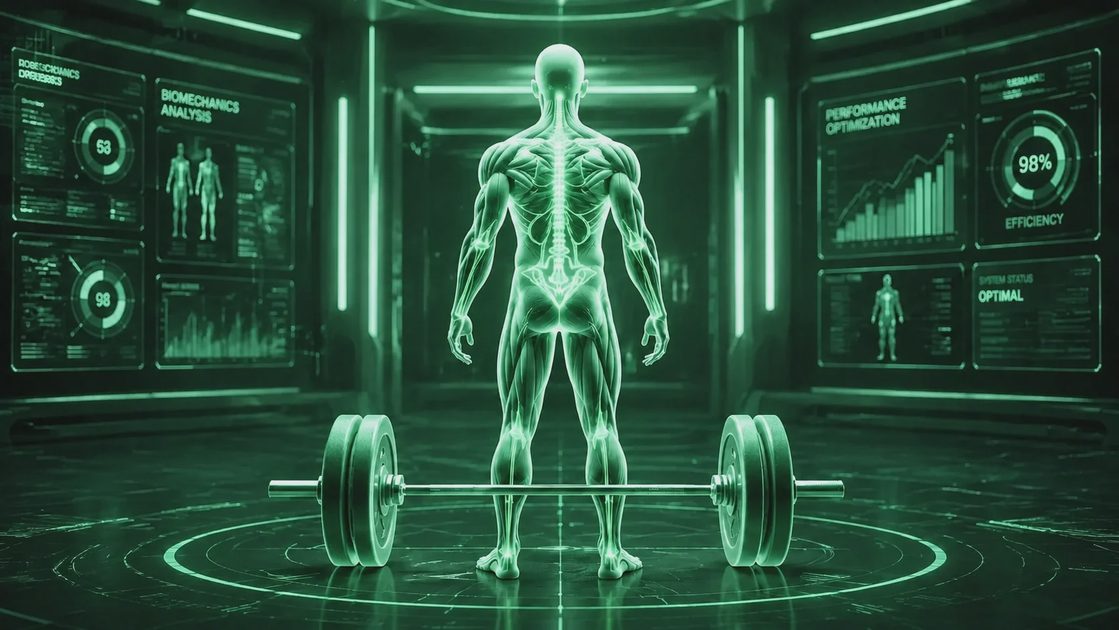
Most people who want to lose fat start with cardio. They walk, run, join a spin class, or hop on the elliptical because it feels like the obvious way to “burn calories.”
It works—for a while. Then progress stalls, hunger climbs, and the body they end up with often looks softer than they expected.
Strength training produces better long-term fat loss for a simple reason: it changes the tissue you’re made of.
Muscle Is the Difference
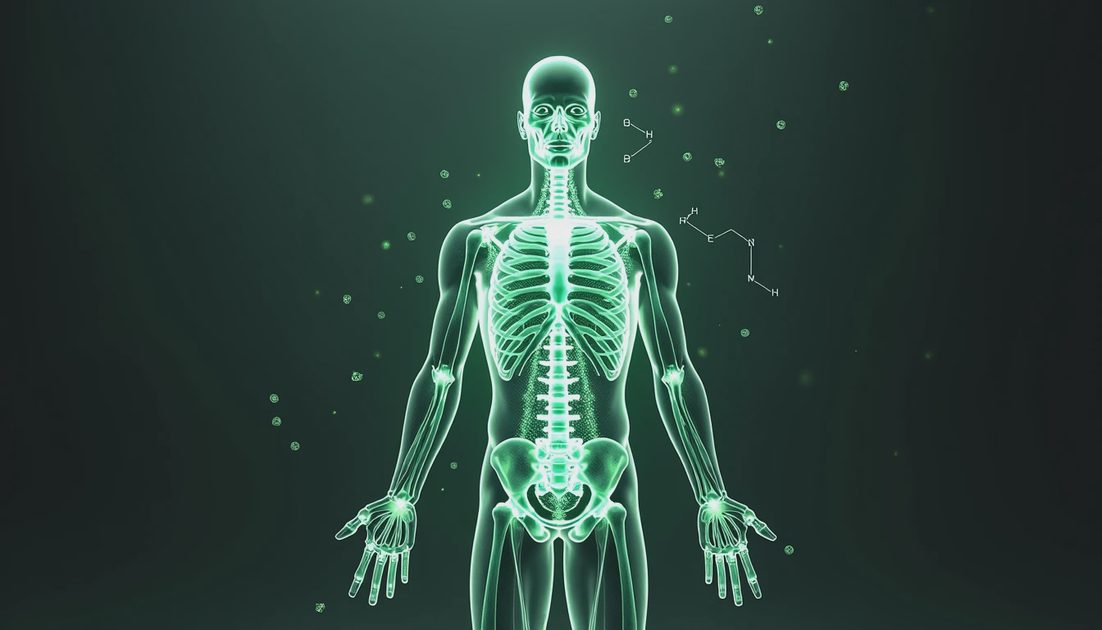
When you lose weight through diet and cardio alone, a meaningful portion of what disappears is muscle. Less muscle means a lower resting metabolic rate. Your body now burns fewer calories around the clock, which makes keeping the weight off harder and regain easier.
Strength training does the opposite. It signals your body to keep (or build) muscle while you’re in a calorie deficit. You lose more fat and less muscle. The scale may move a little slower than a pure cardio approach, but the body composition change is superior—and the results are far more sustainable.
Research consistently shows that combining resistance training with a moderate deficit preserves lean mass better than diet plus cardio alone. People who lift also tend to maintain their results longer after the active fat-loss phase ends.
Cardio still has value. It improves heart health, helps with recovery, and contributes to the calorie deficit. But it should support the process, not lead it.
The “I Don’t Want to Get Bulky” Objection
This fear keeps a lot of people—especially women—stuck on the cardio machines.
Getting significantly muscular requires years of progressive training, high protein intake, and often a calorie surplus. Most adults following a fat-loss program will not wake up looking like a bodybuilder. What they will notice is better shape, stronger posture, and clothes that fit differently even when the scale hasn’t dropped dramatically.
“Toning” is just the combination of having enough muscle and low enough body fat for that muscle to show. You cannot spot-reduce or “tone” with light weights and high reps alone. You build the muscle, then reveal it through the fat-loss process.
Practical Strength Training for Fat Loss
You do not need a complicated program or hours in the gym.
Focus on compound movements that train a lot of muscle at once:
Squat or leg press variation
Hinge (Romanian deadlift or hip hinge pattern)
Push (push-up, bench press, or overhead press)
Pull (row or lat pulldown)
Carry or core stability work
Two to four sessions per week is enough for most people. Progressive overload—gradually adding weight, reps, or sets over time—matters more than sweating through exhausting circuits.
If you’re completely new to lifting, start with bodyweight or light dumbbells and learn the patterns. Form first. Load second.
What About Steps and Walking?
Daily walking is excellent. It burns calories with minimal recovery cost, helps manage stress, and supports overall health. Aim for a consistent step count if it fits your life. Just don’t mistake high step counts or long cardio sessions for a complete fat-loss strategy.
The hierarchy for most people looks like this:

Moderate calorie deficit with adequate protein
Strength training 2–4 times per week
Daily movement / steps
Additional cardio only if recovery and schedule allow
Your One Action This Week
Pick two days and perform a simple full-body session. It can be as basic as:
Goblet squat or bodyweight squat – 3 sets of 8–12
Push-ups (or elevated push-ups) – 3 sets
Dumbbell or band row – 3 sets of 8–12
Glute bridge or hip hinge – 3 sets of 8–12
Keep the weight challenging but controlled. Write down what you did. Next session, try to do a little more—one extra rep or a slightly heavier weight.
That single habit, repeated consistently, will do more for your long-term fat loss than another month of random cardio.
Cardio burns calories today. Strength training changes what your body is made of for years.
Eat enough. Train hard. Repeat.



No comments yet — be the first to share a thought.