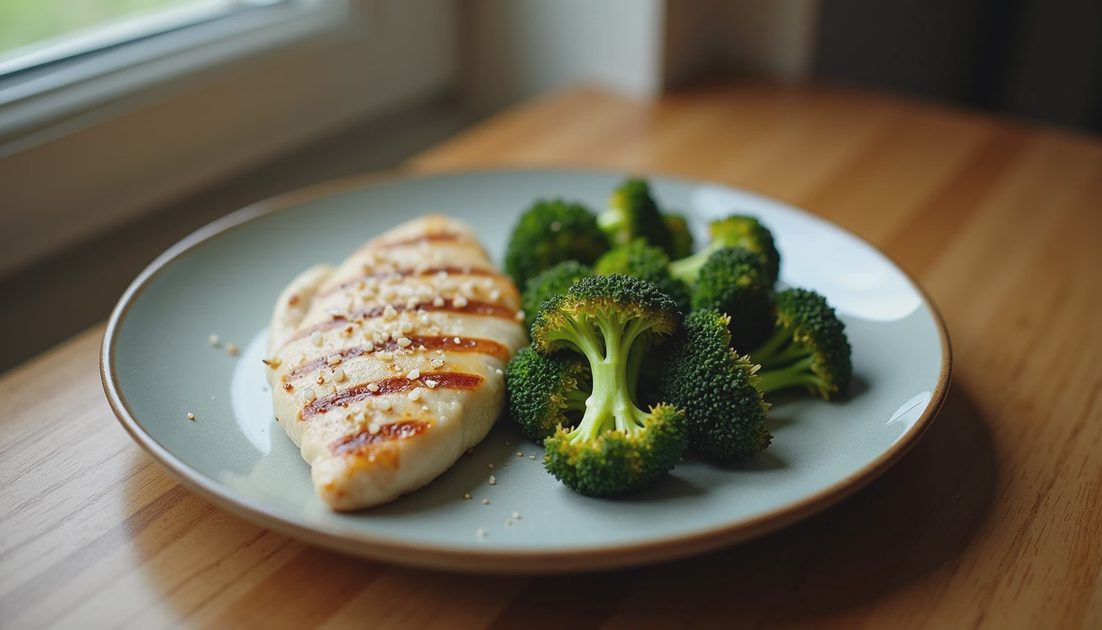
For years, my son Finn treated vegetables like a personal insult.
He is twelve now, in seventh grade, and has strong opinions about texture, color, and anything that grew in the ground near our house. Kale was “tree leaves.” Roasted broccoli was “burnt trees.” Peppers were acceptable only if they were hidden, diced beyond recognition, or someone else’s problem.
I am a registered dietitian. I have helped thousands of adults change how they eat. At home, I still had a kid who would rather negotiate than take a bite of zucchini.
Then, quietly, something shifted.
The Long, Unspectacular Process
We did not win this with a single clever recipe or a lecture about nutrition. We won it the slow way.
Finn has grown up around the garden. He has seen the same plants come up every year. He has watched tomatoes go from green to red. He has complained about weeding and still eaten the cherry tomatoes warm off the vine when he thought no one was looking. Exposure without pressure turned out to matter more than persuasion.
Research on kids and food acceptance points in the same direction: repeated, low-stakes exposure increases the chance a food will eventually be tried and accepted. Pressure, bribing, and turning dinner into a battle usually slow the process down.
We kept vegetables available. We kept serving them. We stopped making a big deal out of the nights he refused them. Some nights he ate around them. Some nights he tried a single bite and announced it was still terrible. A few times he surprised us.
Progress was uneven and mostly invisible until it wasn’t.
What Finally Worked
Several things stacked up over time:
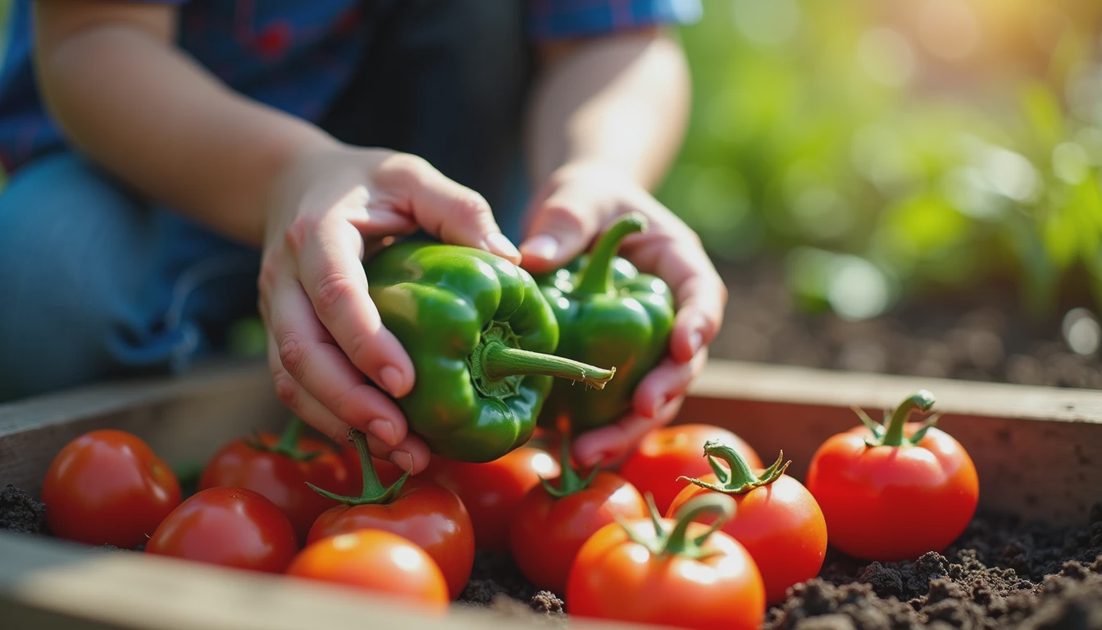
He grew some of it. Kids are often more willing to try food they helped plant, water, or harvest. The peppers he watched turn from small green bulbs into something recognizable stood a better chance than whatever appeared on his plate from the store.
Preparation mattered. Raw and roasted are different foods to a twelve-year-old. Softer textures, a little salt, olive oil, or a dip he already liked lowered the barrier.
Modeling without commentary. He saw the rest of us eat vegetables regularly without a speech attached. No “you should eat this because it’s healthy.” Just normal behavior at the table.
Time. This took years, not weeks. Anyone promising a quick fix for picky eating is usually selling something.
The first time he took a second helping of roasted broccoli without being asked, no one made a scene. We just kept passing the food.
What This Has to Do With the Rest of Us
Adults are not as different from twelve-year-olds as we like to pretend.
People who have spent years avoiding certain foods, stuck in rigid diet rules, or treating vegetables as punishment often need the same conditions kids do: repeated exposure without drama, preparation that makes the food enjoyable, and enough time for preference to change.
Fat loss and better eating habits rarely come from a sudden conversion experience. They come from ordinary repetitions that eventually shift what feels normal. The vegetable that once seemed optional becomes part of the default plate. The walk that once required motivation becomes the thing you do after dinner. The protein-centered meal becomes easier than the alternative.
Patience is not passive. It is continuing to serve the broccoli—literally and figuratively—while the results are still inconsistent.

The Garden Keeps Teaching the Same Lesson
Half of what I grow still goes to the squirrels. Some plants fail. Some seasons are better than others. The garden does not perform on demand, and neither do people.
Finn will still push back on certain textures. He is twelve. But he now eats vegetables he used to refuse, and he does it without a negotiation or a reward chart. That is enough.
Change rarely looks dramatic while it is happening. It looks like another ordinary Tuesday where the food got eaten and no one made a speech about it.
Eat enough. Train hard. Repeat.

No comments yet — be the first to share a thought.