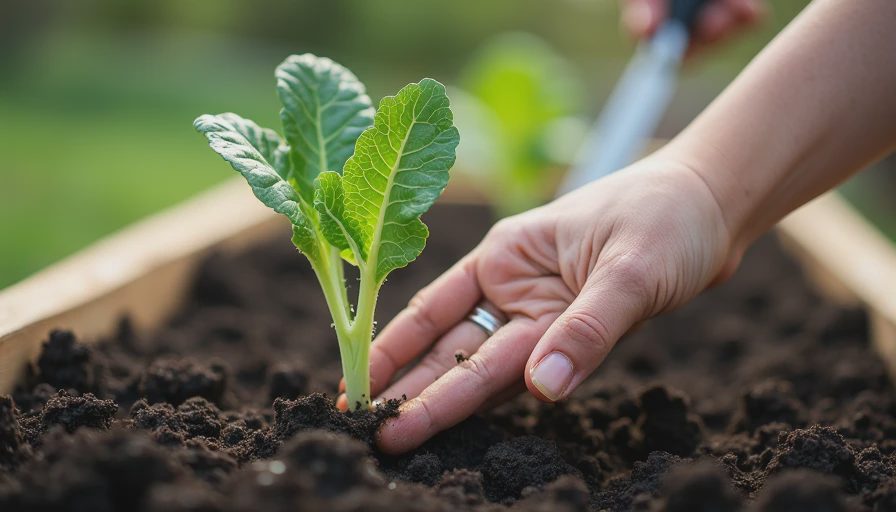
Every spring I stand in my backyard in the Boston suburbs, staring at a patch of dirt that looks like nothing. I plant kale, tomatoes, peppers, and a few other things that usually survive New England weather. Then I wait.
Some years the tomatoes come in heavy. Some years the squirrels get more than their fair share. Some years the kale bolts early and I end up with bitter leaves. The garden never performs on my preferred schedule. It performs on its own.
After twenty years of helping people lose fat, I’ve noticed the same pattern. The people who succeed long-term treat fat loss more like gardening than like a 30-day challenge. The ones who struggle treat it like a race they can win by pushing harder for a short stretch.
Here’s what the garden keeps teaching me.
Growth Is Mostly Invisible at First
When I put seedlings in the ground, nothing dramatic happens for weeks. The plants look the same. The soil looks the same. If I checked progress every single morning the way some people check the scale, I would conclude the whole effort was failing.
Under the surface, roots are establishing. The plant is building the structure it needs before it can produce anything visible.
Fat loss works the same way. The first few weeks of a moderate deficit and consistent strength training often produce quiet changes: better sleep, slightly improved energy, clothes that feel a little less tight, small strength gains in the gym. The scale may barely move. That doesn’t mean nothing is happening. It means the foundation is being laid.
People who quit during this phase usually do so because they expected a visible harvest before the roots had time to grow.
You Cannot Rush the Timeline Without Consequences
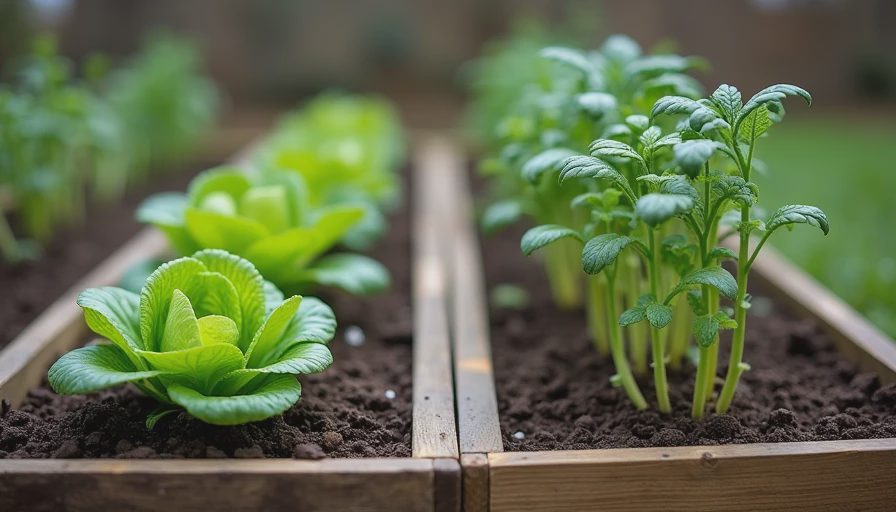
I used to try to force faster results in the garden—extra fertilizer, constant watering, impatient pruning. The plants responded by becoming leggy, weak, or stressed. The harvest suffered.
The same thing happens with aggressive fat-loss approaches. Very low calories, excessive cardio, or extreme restrictions can produce rapid scale drops. They also increase muscle loss, raise hunger, disrupt hormones, and make regain more likely. The short-term win often costs long-term progress.
A moderate pace—roughly 0.5 to 1 percent of body weight per week for most people—protects muscle, preserves energy, and gives habits time to stick. It feels slow when you want faster evidence. It is also the pace that actually lasts.
External Conditions Will Interfere
Squirrels eat my tomatoes. Heavy rain floods the beds. A late cold snap damages young plants. Some seasons are simply harder than others.
Life does the same thing to fat loss. Work stress, poor sleep, family responsibilities, travel, illness, and hormonal shifts all affect progress. The scale stalls. Energy dips. Motivation fades.
The garden taught me that fighting every external factor is exhausting and usually ineffective. What works better is building a system resilient enough to absorb disruption. Consistent protein intake. Strength training that doesn’t require perfect conditions. A calorie target that still allows flexibility. Daily movement that doesn’t depend on a gym.
When conditions are difficult, the goal shifts from rapid progress to simply not losing the plot.
Comparison Is a Trap
My neighbor’s garden sometimes looks better than mine. Different soil, different sunlight, different amount of time available to tend it. Comparing the two is pointless and slightly irritating.
The same applies to fat loss. Someone else’s timeline, starting point, genetics, stress load, and recovery capacity are not yours. Before-and-after photos and rapid transformation stories create pressure to match results that were never realistic for your situation.
The only useful comparison is to your own previous baseline—strength numbers, measurements, energy, how clothes fit, consistency of habits.
The Harvest Comes After the Unexciting Work
The most productive parts of gardening are repetitive and ordinary: watering, weeding, checking for pests, adding compost, waiting. None of it looks impressive in the moment. The tomatoes appear later, almost as a side effect of doing the unexciting things consistently.
Sustainable fat loss follows the same pattern. The daily and weekly actions—hitting protein most days, completing planned strength sessions, staying near a moderate deficit, walking, sleeping enough—rarely feel dramatic. The visible changes accumulate later.
People who chase constant excitement in their fat-loss approach usually abandon the process when the excitement fades. People who accept the ordinary work tend to still be doing it a year later.
What This Looks Like in Practice
I still weigh my oatmeal most mornings. Not because the exact number is magical, but because the small act of attention keeps me connected to the process. I strength train even when the session is short. I eat vegetables from the garden when they’re ready and store-bought ones when they’re not. I expect setbacks and plan for them instead of treating them as moral failures.
The garden does not care how motivated I feel on any given day. It responds to what I repeatedly do. Fat loss is no different.
Your One Action This Week
Choose one ordinary, repeatable action that supports fat loss and commit to it for the next seven days without negotiating.
Examples:
Eat a protein-rich breakfast every morning
Complete two planned strength sessions
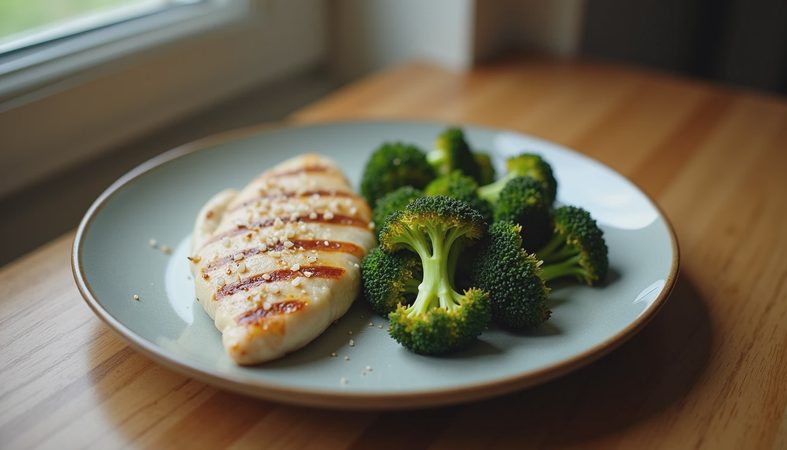
Fill half your plate with non-starchy vegetables at dinner
Walk after one meal each day
Make it small enough that you can do it even on a difficult day. Then simply do it.
Patience is not passive waiting. It is continuing the work while the results are still invisible.
The garden eventually produces. So does consistent, unglamorous effort.
Eat enough. Train hard. Repeat.
No comments yet — be the first to share a thought.