If you have diabetes, you do not need to ban every food that contains carbohydrates. The better question is: is grits good for diabetics when the portion, preparation, and rest of the meal are handled sensibly? The answer is yes, grits can fit into a diabetes-friendly eating pattern. They are not a free food, though. Grits are primarily a carbohydrate, and a large bowl made with butter, cheese, sausage, and sweet toppings can send calories and carbohydrates climbing fast.
The practical answer starts with three things: portion size, fiber, and what you eat alongside the grits. You do not need a miracle diet or a carb-free life. You need a repeatable plate that gives you enough food to feel satisfied without turning breakfast into a blood sugar roller coaster.
What are grits, and how many carbs do they contain?
Grits are made from ground corn, so their nutrition is similar to other grain-based foods. A typical cooked serving of plain grits, around one cup, contains roughly 20 to 25 grams of carbohydrate, depending on the brand and how thickly it is prepared. Instant, quick-cooking, stone-ground, and hominy grits can differ, so read the Nutrition Facts panel instead of relying on the word “plain.”
The serving size listed on a package is often smaller than the bowl people pour at home. Half a cup cooked may be the package reference, while a restaurant portion can equal two or three servings. That difference matters. If you are counting carbohydrates, start by measuring your cooked portion once. After that, your eyes will have a useful reference point.
Is grits good for diabetics if the bowl contains 50 or 60 grams of carbohydrate? It can still be part of a meal, but that is a substantial carbohydrate load for many people. A smaller serving gives you more room for protein, vegetables, and a piece of fruit without pushing the meal beyond your usual target.
How grits affect blood sugar
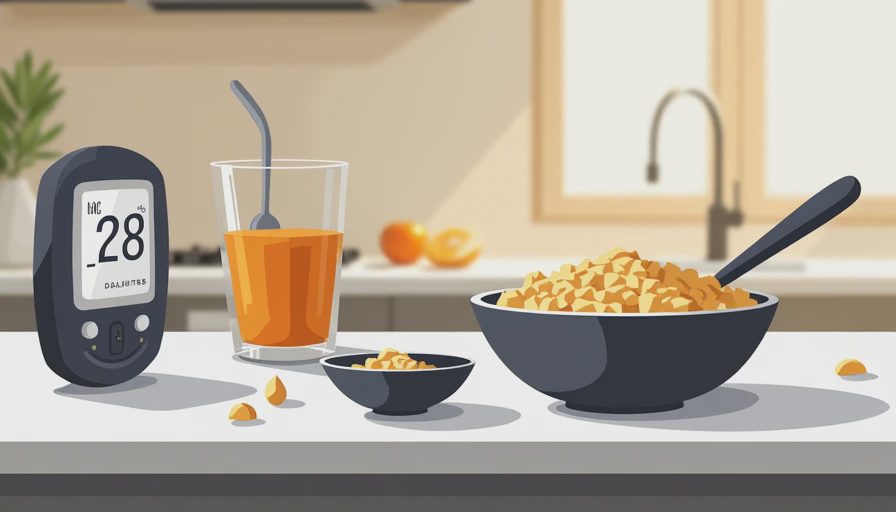
Grits can raise blood glucose because the body breaks their starch into glucose during digestion. The rise is not determined by grits alone. Cooking method, portion size, fiber, activity, medication, and the other foods in the meal all matter.
Some people see a noticeable increase after a bowl of grits, while others have a smaller response. That is why your glucose meter or continuous glucose monitor can teach you more about your own meal than a generic internet list. If you monitor at home, compare your reading before eating with the reading at the time your healthcare team recommends afterward. Record the portion and toppings. You are looking for a pattern, not judging one breakfast.
Instant grits may be convenient, but they often have less texture and can be eaten quickly. Eating quickly makes it easier to overserve yourself. Stone-ground grits are not automatically a low-carb food, but their thicker texture may make a measured portion feel more substantial. The label and your response still matter more than the marketing language.
Build a better grits meal
The simplest upgrade is to stop treating grits as the entire meal. Add a protein source, a high-fiber vegetable, or both. Two eggs, grilled chicken, plain Greek yogurt on the side, cottage cheese, tofu, or beans can make the meal more filling. Protein does not make the carbohydrate disappear, but it can help the meal satisfy you for longer.
Try a bowl with one-half to three-quarters cup of cooked grits, two eggs, sautéed spinach, and a small amount of shredded cheddar. You get the comfort of grits with protein and vegetables instead of a huge serving covered in butter. Another option is shrimp and grits with a modest grits portion, plenty of shrimp, and vegetables such as peppers, tomatoes, or greens.
Is grits good for diabetics when it is paired with sausage and extra cheese? That meal can fit occasionally, but sausage and cheese add saturated fat and calories quickly. Choose a smaller amount for flavor rather than using them as the main volume of the bowl.
Choose toppings that do real work
Toppings are where a reasonable breakfast can quietly become dessert. Brown sugar, maple syrup, honey, and sweetened condensed milk add sugar without offering much fullness. If you like a sweet version, use cinnamon, berries, chopped walnuts, and plain Greek yogurt. You still get sweetness and texture, but the meal has more fiber and protein.
For a savory bowl, try black pepper, scallions, mushrooms, tomatoes, hot sauce, or roasted vegetables. A teaspoon of butter can provide flavor without turning into several tablespoons. Reduced-fat cheese is not mandatory, but using a measured ounce of cheese helps control calories while preserving the taste you actually want.
Is grits good for diabetics when cooked with cream? It depends on the total recipe and portion. Milk or cream contributes calories and, in the case of milk, some carbohydrate. Water or low-sodium broth can create a lighter base, then you can add a measured amount of milk or cheese at the end for richness.

A simple portion plan for the week
Here is the boring plan I would give a client: measure one-half to three-quarters cup of cooked grits, add 20 to 30 grams of protein, include a nonstarchy vegetable when the meal is savory, and keep added sugar out of the bowl. If you are still hungry, add vegetables or more protein before doubling the grits.
Make a batch on Sunday, portion it into containers, and refrigerate it promptly. Reheat with a splash of water or milk because cooked grits thicken as they cool. Prepare eggs, vegetables, or lean protein separately so breakfast takes five minutes instead of becoming a drive-through decision.
A sample week could include eggs and spinach on Monday, shrimp and tomatoes on Tuesday, Greek yogurt and berries with a smaller sweet portion on Wednesday, and tofu with mushrooms on Thursday. Variety is useful, but the portion structure stays steady. That is how you make a food work in real life.
When to be more cautious
If you take insulin or medication that can cause low blood glucose, changing your carbohydrate intake can affect your dosing and your risk of hypoglycemia. Do not adjust medication on your own to make room for grits. Your clinician or diabetes educator can help you match meals, medication, and activity safely.
Also pay attention to restaurant servings. A large bowl may contain more grits, butter, cheese, and meat than you would use at home. You can order a smaller portion, split the meal, or save half before you start eating. These are not punishment tactics. They are simple ways to make the numbers visible.
Is grits good for diabetics who are also trying to lose weight? Yes, if the serving supports your calorie needs and the meal keeps you satisfied. Weight loss does not require eliminating one beloved food. It requires a calorie pattern you can repeat without feeling trapped.
The bottom line
Grits can fit into a diabetes-friendly meal plan. Keep the portion measured, read the label, skip routine spoonfuls of sugar, and pair the grits with protein and vegetables. Test your personal response if you monitor blood glucose, because individual results are more useful than a blanket food rule.
Start this week with one change: measure your cooked portion before adding toppings. Then build the bowl around eggs, seafood, beans, tofu, or Greek yogurt rather than making grits the entire meal. That is practical nutrition, not diet drama. Eat enough. Train hard. Repeat.


No comments yet — be the first to share a thought.