If you want workouts for inner pecs, start with the boring truth: you cannot completely isolate a separate inner-chest muscle. The pectoralis major is one broad muscle, and its fibers work together during pressing and fly movements. You can, however, train the fibers near the sternum by improving horizontal adduction, using a full range of motion, and squeezing the handles or your hands together at the right point. That is how you build a thicker-looking chest without falling for another miracle program.
The goal is not to feel destroyed after 47 sets. It is to train consistently, recover, eat enough protein, and add a little weight or a few good repetitions over time. A busy parent or a 45-year-old professional can make progress with two focused chest sessions per week. You do not need a supplement cabinet or a six-day bodybuilding split. Eat enough. Train hard. Repeat.
What “inner pecs” really means
The line down the middle of your chest is not a muscle seam you can sculpt with one magic exercise. Your pecs attach across the chest and upper arm, and their job includes bringing the arm toward the body’s midline. When you press a barbell, dumbbells, or a cable handle inward, the chest contracts. When you bring your hands together under control, you are practicing the adduction that creates the strong squeeze people associate with inner pec training.
That distinction matters because many people chase a temporary pump with light flyes and call it a breakthrough. A pump is not the same thing as muscle growth. Growth comes from challenging the muscle repeatedly, generally training close to failure while maintaining sound technique. Workouts for inner pecs should therefore include heavy pressing for mechanical tension and controlled fly variations for a loaded squeeze.
You also cannot change your bone structure or erase a natural gap in the sternum. That is normal anatomy, not a training failure. Build the chest you can build, judge progress by strength and measurements, and stop treating a fitness model’s lighting as a medical diagnosis.
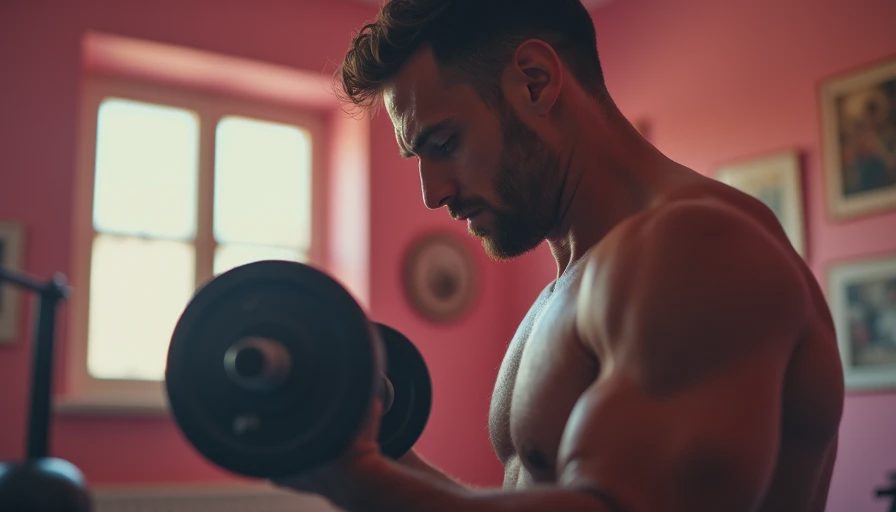
A practical inner-chest workout
Perform this session once or twice weekly, leaving at least 48 hours between hard chest workouts. Start with five minutes of easy cardio and two gradual warm-up sets for your first press. Warm-ups should prepare your shoulders, not exhaust them.
Begin with the flat dumbbell press for three sets of six to ten repetitions. Lower the weights for about two seconds, keep your shoulder blades gently pulled back, and press up without bouncing. At the top, bring the dumbbells close without smashing them together. The close position gives you a reason to contract the chest rather than simply locking out your elbows.
Next, use a low-incline dumbbell press for three sets of eight to twelve repetitions. Set the bench around 15 to 30 degrees. A steep incline turns the movement into more of a shoulder exercise, which is not the result you want. Keep your elbows slightly below shoulder level and lower until you feel a controlled stretch, not a painful pull.
Finish with a cable fly for three sets of twelve to fifteen repetitions. Set the pulleys around mid-chest height. Step forward, keep a soft bend in your elbows, and sweep your hands together until they meet in front of your sternum. Hold the squeeze for one second, then return slowly. This is one of the most useful workouts for inner pecs because the cable keeps tension on the chest through more of the movement.
If you have no cable machine, use a pec-deck machine or a light dumbbell fly. Do not turn either option into a deep, reckless stretch. Your shoulder joint is not a stress toy.
Technique errors that waste your effort
The first common mistake is loading the bar so heavily that your shoulders and triceps do most of the work. If your hips lift off the bench, your elbows flare dramatically, or the bar drops to your chest, reduce the weight. A clean set with 135 pounds beats an ugly set with 185 pounds that irritates your shoulder.
The second mistake is rushing the fly. The muscle does not receive bonus credit because you finished quickly. Use a two-second return, keep your ribs from flaring, and stop the range when your shoulders begin sliding forward. On a pec deck, keep your chest against the pad and avoid forcing the handles behind your body.
The third mistake is treating every chest session as a test day. Leave roughly one or two good repetitions in reserve on most sets. Take the final set of an exercise closer to failure if your form stays steady. These workouts for inner pecs work because you can repeat them next week, not because one session leaves you unable to raise your arms.
Pain deserves attention. Muscle fatigue and a normal stretch are different from sharp pain in the front of the shoulder, numbness, or pain that worsens with each repetition. Stop that movement and get an appropriate evaluation if symptoms persist.
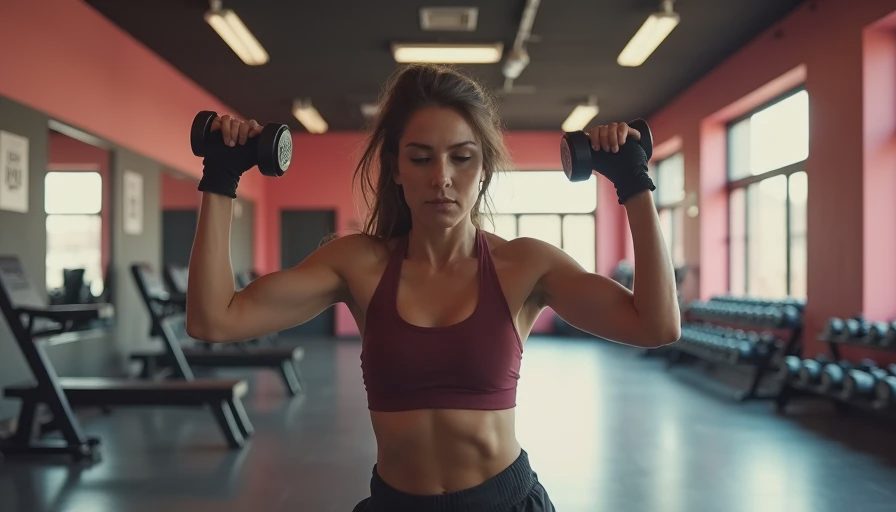
How to progress without adding junk volume
Choose a repetition range and earn the right to increase weight. For example, if your dumbbell press target is six to ten reps, use the same load until you can complete 10, 10, and 10 with controlled technique. Then increase each dumbbell by the smallest available jump, often five pounds, and build back up. This double-progression method is simple enough to use in a crowded gym or a home setup.
Track the basics in your phone: exercise, weight, repetitions, and how difficult the final set felt. If your numbers stall for three or four weeks, first examine sleep, food, stress, and technique. Do not immediately add five more exercises. Two chest sessions totaling roughly 10 to 16 challenging sets per week is plenty for many adults, especially when shoulders and triceps also work during pressing.
Rotate exercises only when you have a reason. A barbell bench can replace dumbbell pressing for a training block. Ring push-ups or deficit push-ups can help at home. The best workouts for inner pecs are the ones you can perform safely, progressively, and regularly for months.
Nutrition that supports chest growth
You do not need a dirty bulk to build muscle. Aim for a protein-rich food at each meal: Greek yogurt at breakfast, chicken or tofu at lunch, salmon or beans at dinner, and cottage cheese or milk if you need an easy evening option. A useful general target for active adults is roughly 1.2 to 1.6 grams of protein per kilogram of body weight daily, adjusted for medical needs and total diet.
If fat loss is your current priority, use a modest calorie deficit rather than starving yourself. Muscle gain is slower in a deficit, but consistent resistance training and adequate protein help preserve lean tissue. If you are trying to gain size, add a small amount of food, such as an extra sandwich or bowl of oatmeal, instead of inhaling a giant weekend cheat meal.
Carbohydrates before training can improve your session: a banana and yogurt, oatmeal, or toast with eggs are practical choices. Hydrate, sleep as well as real life allows, and stop blaming willpower for a plan that requires six perfect days every week. The boring plan wins.
Your one change this week
Schedule two chest sessions, write down every working set, and use the workout above for four weeks before judging it. Keep the weights challenging, but do not sacrifice shoulder comfort for an impressive number. Take a progress photo only if you want one, under similar lighting, and pay more attention to strength and consistency than to daily appearance.
Workouts for inner pecs are not a secret category of exercises. They are well-designed chest workouts using pressing, controlled adduction, and gradual progression. Do those fundamentals, eat enough protein, and recover. The chest develops through months of ordinary sessions, not through a frantic 30-day promise. Eat enough. Train hard. Repeat.
No comments yet — be the first to share a thought.