If you want stronger arms without turning every session into a joint experiment, tricep cable workouts are the boring answer that works. Cables keep tension on the muscle through the whole rep, which matters when you are trying to add size to the triceps, not just survive the workout. They also make it easier to control your range of motion, which is useful if your elbows get cranky with heavy skull crushers or sloppy pressing. Use them after your main push lifts, keep the form strict, and give the muscle enough weekly volume to grow. Eat enough. Train hard. Repeat.
Why cables beat sloppy momentum
One reason tricep cable workouts work so well is that the stack gives you a clean line of resistance from the first inch of the rep to the last. That means you do not get the same dead zones you sometimes feel with dumbbells or barbells. If you have ever locked out a rep and felt like the load vanished, you know the problem. With cables, the triceps stay busy.
That constant tension is helpful for people who want muscle growth without beating up their joints. A rope or straight bar also lets your wrists and elbows settle into a more natural path. You can angle your torso, tuck your elbows, and adjust the pulley height without turning the movement into a circus act. For most lifters, that makes cables a better choice for higher-rep work and clean technique. If your goal is better arms, not random fatigue, this is where the smart money goes.
A good target is 8 to 14 hard sets for triceps each week, counting your presses and your isolation work. If your chest day already includes benching, incline pressing, or dips, you may only need a few direct sets on top of that. If pressing volume is low, cables can do more of the heavy lifting. Keep the reps controlled and stop a rep or two before form turns into noise.
The three moves I trust
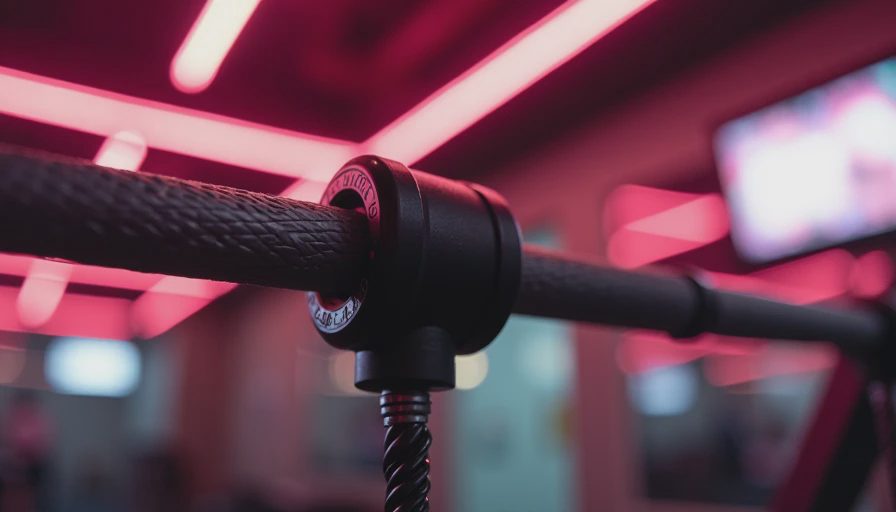
The best tricep cable workouts are simple: rope pushdowns, overhead rope extensions, and single-arm pressdowns. You do not need ten fancy variations to make your arms grow. You need a few good ones, done hard, with enough weekly consistency to actually matter.
The rope pushdown is the easiest place to start. Stand tall, pin your elbows to your sides, and spread the rope at the bottom so you get a hard squeeze. I like 3 sets of 8 to 12 reps here because it loads well and teaches clean elbow position. The overhead rope extension shifts more work to the long head of the triceps, which is the part that benefits from having the arm up and stretched. That one usually does best in the 10 to 15 rep range with controlled lowering.
Single-arm pressdowns are underrated because they expose cheating. If one side is weaker, this shows it fast. They also let you match the path of your own elbow instead of forcing both arms into the same groove. Use them for 12 to 15 reps and keep the shoulder still. If you want a simple rule, do one heavier pressdown, one overhead movement, and one unilateral movement in the same week. That covers most people just fine.
How to program them for growth
If you want tricep cable workouts to add size, use them like a muscle-building tool, not a cardio drill. That means enough load to make the last few reps honest, enough rest to recover between sets, and enough progression to force adaptation. A good starting point is 2 sessions per week with 3 to 4 work sets per move. Rest about 60 to 90 seconds between sets if you are doing higher reps, and closer to 2 minutes if the load is heavier.
Progression does not need to be fancy. First, add reps until you hit the top of your range with clean form. Then add a small amount of weight, usually one pin on the stack, and repeat. That simple double progression beats random workouts because it gives you a clear job each week. If you train chest and shoulders hard already, your triceps may only need a few direct cable sets after those sessions. If your upper-body work is light, increase the direct volume slowly rather than jumping from 6 sets to 18 and then wondering why your elbows hate you.
The rep ranges can be practical, too. Heavier pushdowns work well around 8 to 10 reps. Overhead work often lands best around 10 to 15. Higher-rep finishers can go to 15 or 20 if your form stays crisp. The point is not to chase the burn for its own sake. The point is to create enough tension that the muscle has a reason to adapt.
The mistakes that waste time
Most bad tricep cable workouts fail for the same boring reasons. The first is turning every rep into a bodyweight cheat rep. If you are leaning so far forward that your lower back is doing the work, you are stealing tension from the triceps. Fix it by setting your feet, bracing your ribs down, and moving only the elbow joint.
The second mistake is cutting the range short. On pressdowns, people often stop halfway and call it a set. On overhead extensions, they avoid the stretched position because it feels awkward. That is exactly where the muscle has to do real work. You do not need to force pain, but you do need a full, controlled rep.
The third mistake is living on pushdowns alone. Pushdowns are useful, but the long head of the triceps tends to respond well when you train with the arm overhead or behind the body. If your program is all one angle, you are leaving growth on the table. The fix is simple: pair a pushdown with an overhead movement and keep the weekly volume sensible.

A simple weekly add-on plan
For tricep cable workouts, start with 10 to 12 hard sets per week split across two days. After a chest or shoulder session, do 3 sets of rope pushdowns for 8 to 12 reps and 3 sets of overhead rope extensions for 10 to 15. On your second arm or back day, do 3 sets of single-arm pressdowns for 12 to 15 and finish with 2 sets of a rope pushdown variation if you still have clean reps left. That is plenty for most people who also bench, press, or do push-ups.
If you are newer to lifting, start lower. Six to eight direct sets per week is enough to learn the movements and recover well. If you are more advanced and your arms are stubborn, you can push toward 14 or even 16 sets, but only if your elbows feel fine and your performance keeps climbing. The best sign you picked the right dose is simple: the stack goes up, your reps improve, and your arms look fuller over time.
Do this for six to eight weeks before you judge it. That is long enough to see whether the plan is working and short enough to adjust if it is not. If you want one change this week, add two clean cable triceps movements after your next push workout and track the numbers. That is how you build better arms without the usual gym nonsense.


No comments yet — be the first to share a thought.