A chest tricep workout does not need fancy methods, drop sets, or a two-hour split. If you are busy and want something that actually builds muscle, the job is simple: press hard enough to challenge the chest, give the triceps enough direct work to grow, and repeat the plan long enough for it to matter. Too many people chase soreness like it is a scorecard. It is not. A smart session is the one you can run again next week with slightly better numbers.
The Training Floor: Start With the Big Presses
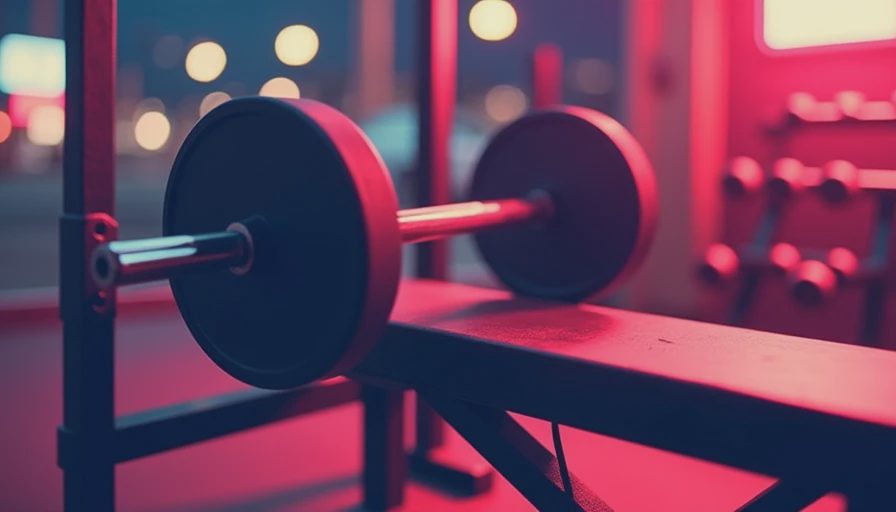
Start with the lift that lets you move the most load with clean form. For most people, that is a flat dumbbell press, barbell bench press, or a machine press if shoulders are cranky. Keep your shoulder blades set, your feet planted, and your elbows about 30 to 45 degrees from your torso. That position usually gives you a stronger press and less joint noise than flaring your elbows wide.
Once the main press is done, add a second chest movement that changes the angle or the resistance curve. Incline dumbbells, a plate-loaded press, or push-ups with a controlled tempo all work. The point is not novelty. The point is to make the muscle work through a full range and then move on before your form falls apart. If the first two lifts are solid, the rest of the session is just good business.
How to Build a Chest Tricep Workout
A chest tricep workout works best when you treat chest work as the engine and triceps as the finish. Start with one or two presses, then move to isolation work. For most people, 12 to 16 hard working sets is enough for one session. That usually means 6 to 10 sets for chest and 4 to 6 sets for triceps, with 90 to 150 seconds of rest on presses and 60 to 90 seconds on smaller movements.
The order matters more than people think. Put the heavy press first, the incline or secondary press second, then flys or cable work, then triceps extensions or pressdowns. If you train this body part twice a week, cut the session down a little and leave a rep or two in the tank on the first few sets. That keeps the total stress high without turning every workout into a recovery problem.
Debunked: Soreness Is Not the Goal
Muscle growth does not require you to be wrecked the next day. Mild soreness can happen, especially if you change exercises or add volume, but it is a lousy way to judge whether training worked. If you can still push, pull, and move normally, you probably trained well enough. If your elbows or shoulders feel angry, the issue is often too much volume, poor setup, or trying to force range that your body does not own yet.
Use controlled reps and clean lockouts instead of bouncing the weight around. A slow lowering phase can help, but you do not need a three-second negative on everything. On flys and triceps extensions, stop short of sloppy failure on the early sets and save the all-out effort for the last set or two. That gives you stimulus without the kind of joint irritation that makes people skip the next workout.
The Long Game: Fuel the Work So It Sticks
Training only works when recovery supports it. If your goal is to keep or build muscle while leaning out, protein should be high enough to matter. A useful target is about 25 to 40 grams per meal, three or four times a day, which usually lands most people in the right ballpark. If you are trying to lose fat at the same time, keep the calorie deficit modest. A 300 to 500 calorie cut is usually easier to live with than an aggressive slash that leaves you flat, hungry, and inconsistent.
Sleep matters too, even if it is not as exciting as a new program. Most adults do better with seven to nine hours. When sleep gets short, performance drops, cravings climb, and the temptation to turn every session into a punishment goes up. You do not need perfect habits. You need enough protein, enough sleep, and a training plan you can repeat when work, kids, and life show up like they always do.

A 45-Minute Session You Can Repeat
This chest tricep workout is the kind of session I would hand to a client who wants a stronger upper body without living in the gym. Start with a flat dumbbell bench press for 4 sets of 6 to 8 reps. Then do an incline machine press or incline dumbbell press for 3 sets of 8 to 10. Follow that with cable flys for 2 sets of 12 to 15, a close-grip bench press or a machine press for 3 sets of 8 to 10, rope pressdowns for 3 sets of 10 to 12, and overhead cable extensions for 2 sets of 12 to 15.
Rest about 90 to 120 seconds on the presses and 60 to 90 seconds on the smaller movements. If you are still fresh at the end of every set, the load is probably too light. If your form breaks down early, it is too heavy. The sweet spot is usually one or two reps in reserve on the first sets and a harder push on the last set of each exercise.
If your shoulders complain, swap the barbell for dumbbells or a machine and keep training. If the bench stalls, do not panic and do not start program shopping. Hold the weight, add a rep next week, and only increase the load when the reps are there. That is how strength actually moves in the real world. If you repeat this chest tricep workout for six to eight weeks, track the numbers, and eat enough to recover, you will know whether it is working because the logbook will tell you. Eat enough. Train hard. Repeat.

No comments yet — be the first to share a thought.