Bench press grip width is not a magic number pulled from a bodybuilding forum. It is a setup decision that changes your range of motion, shoulder position, triceps involvement, and the amount of weight you can move. The best grip is the one that lets you press hard while keeping your wrists stacked over your elbows and your shoulders controlled. That answer will look slightly different for a short-armed beginner than for a long-armed competitive lifter.
If your shoulders ache after every pressing session, do not immediately blame your age or buy a supplement. First, look at your hand position, bar path, and total training load. A small grip adjustment can turn an uncomfortable lift into a repeatable strength exercise. Eat enough. Train hard. Repeat.
What Different Grip Widths Actually Change
A wider grip shortens the bar's travel distance and usually places more demand on the chest. It can feel powerful because the bar does not have to move as far, but it also requires more shoulder extension at the bottom. If your shoulders lack mobility or you flare your elbows, that combination can become irritating quickly.
A narrower grip increases the range of motion and generally asks more from the triceps. It can be useful for building lockout strength, improving control, or reducing the extreme shoulder position created by a very wide grip. The tradeoff is simple: the bar travels farther, so the same load often feels harder.
A medium grip is where many recreational lifters should start. Your forearms should be close to vertical when the bar touches your chest. That visual test is more useful than copying a professional lifter whose limb lengths, technique, and years of preparation are nothing like yours.
There is no prize for using the widest possible hand position. You are training a movement, not auditioning for a viral gym video.
How to Find Your Bench Press Grip Width
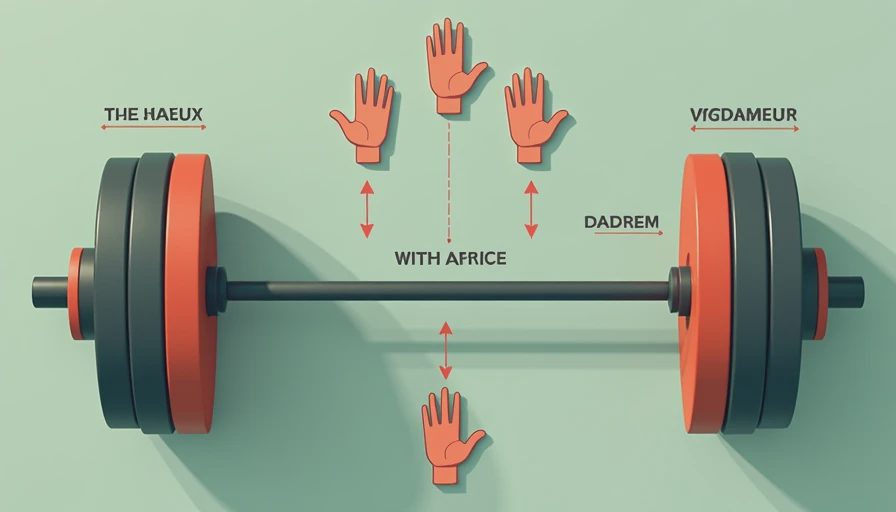
Start with an empty bar or a very light load. Lie on the bench with your eyes under the bar, feet planted, and shoulder blades pulled down and back. Take your normal grip, then lower the bar slowly toward the lower portion of your chest. At the bottom, check your forearms from the front. They should be nearly vertical, with your wrists stacked above your elbows rather than bent sharply backward.
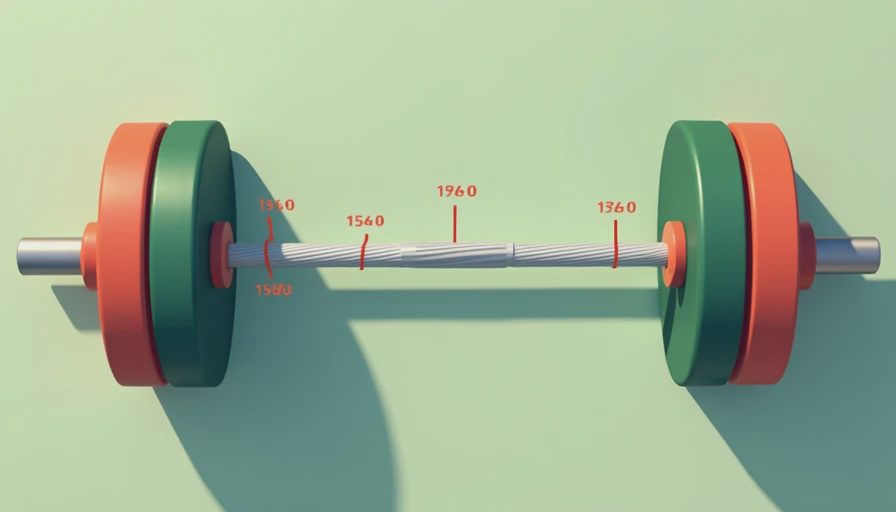
For many adults, this means placing the index finger somewhere near the smooth-to-knurled transition on a standard Olympic bar. That is only a starting reference, not a law. Hand size and arm length matter. Mark your chosen position with a small piece of athletic tape if you train in a home gym, or remember the relationship between your fingers and the bar's knurling at a commercial gym.
Then record three things: whether your wrists stay straight, whether your elbows remain roughly 30 to 60 degrees from your torso, and whether your shoulders feel stable at the bottom. If one grip lets you hit all three without pain, it is probably closer to your useful position than the grip that produces the biggest one-rep maximum.
For bench press grip width, use a controlled test rather than guessing. Try your normal position, move each hand inward by one to two inches, and compare five easy repetitions. Next session, move slightly wider and repeat. Keep the grip that gives you a clean bar path and no shoulder warning signs.
A Practical Setup for Stronger Reps
Your hands are only one part of the lift. Before unracking, squeeze the bar firmly, keep your wrists mostly straight, and pull the bar toward the heel of your palm. A loose grip lets the bar roll backward, which can stress the wrist and make the press feel unstable.
Set your upper back before you lift. Pull your shoulder blades together and down, keep your chest comfortably elevated, and maintain contact between your head, upper back, and glutes and the bench. Your feet should stay planted so you can create steady leg drive without turning the repetition into a full-body panic attack.
Lower the bar under control to the lower chest or upper sternum. The exact touch point depends on your build, but the bar should not drift toward your neck. Press up and slightly back toward the rack, finishing with the bar over your shoulders. With a sensible bench press grip width, your forearms remain organized instead of wobbling inward or outward.
Use a load that leaves one or two good repetitions in reserve for most working sets. Three sets of five at a manageable weight will build more useful strength than repeated ugly singles that leave your shoulders cranky for four days.
Adjusting the Grip for Your Goals
If your priority is general strength and muscle, a moderate grip with six to twelve controlled repetitions is a reliable choice. You do not need a competition-style setup to grow your chest or improve your pressing numbers. Add weight in small jumps, such as two and a half to five pounds, when all repetitions are stable.
If you are training for a powerlifting meet, federation rules can influence how wide your grip is allowed to be. A wider legal grip may reduce range of motion, but it also demands excellent shoulder control and practice. Competition technique should be developed gradually, not copied from a highlight clip the night before a heavy session.
If your triceps are a weak link, bring your hands in modestly and include paused repetitions or close-grip bench presses. If your chest is doing little work, check that you are touching the same spot each repetition and not bouncing the bar. Changing your grip will not fix poor consistency.
For bench press grip width, the goal is not to isolate one muscle completely. The chest, shoulders, and triceps work together. Choose the position that lets you train those muscles repeatedly, recover, and progress.
Shoulder Pain, Wrist Pain, and When to Stop
Mild effort and muscle fatigue are normal. Sharp pain, persistent joint pain, numbness, or pain that worsens each set is not a challenge to overcome. Rack the bar and examine the basics: grip width, wrist angle, elbow flare, load, warm-up, and recent training volume.
A slightly narrower grip often helps a lifter who feels pinching at the bottom, but it is not a universal treatment. You can also reduce the load, use dumbbells with a neutral hand position, or practice push-ups while you arrange an evaluation with a qualified physical therapist or medical professional. Do not diagnose a serious injury from a social media comment.
Remember that recovery counts. If you bench heavily on Monday, perform high-volume push-ups Tuesday, and press overhead Wednesday, your shoulders may be objecting to the schedule rather than one particular grip. Two focused pressing sessions per week is plenty for many busy adults. Sleep, food, and sensible progression do more for results than punishment.
The One Change to Make This Week
Film one set from the front and one from the side using a light, controlled weight. Review whether your forearms are vertical at the bottom, your wrists are stacked, and the bar touches the same area of your chest each time. Then test a grip one inch narrower or wider during your next warm-up sets.
Keep the adjustment that feels stable and lets you complete your planned work without joint pain. Write it in your training log along with the load, sets, and repetitions. Bench press grip width should become a repeatable measurement, not a daily argument with the bar.
You do not need a fancy program, a miracle pre-workout, or a dramatic transformation challenge. You need a technically sound setup, enough food to recover, and the patience to add small amounts of work over time. Eat enough. Train hard. Repeat.



No comments yet — be the first to share a thought.