If you want stronger arms without turning your workout into a circus, tricep workouts cable sessions are a sensible place to start. A cable machine gives you steady resistance through much of the movement, lets you adjust the load in small increments, and usually feels kinder on the elbows than repeatedly forcing heavy free weights overhead. That does not make it magic. It makes it useful.
Your triceps make up much of your upper arm and help straighten the elbow during pressing and pushing. Train them two or three times per week, eat enough protein, and give the muscles time to recover. You do not need a 30-day arm transformation, a special powder, or six different attachments. You need a repeatable plan that fits on a Tuesday when work ran late and somebody needs help with homework.
Why Cable Training Works for the Triceps
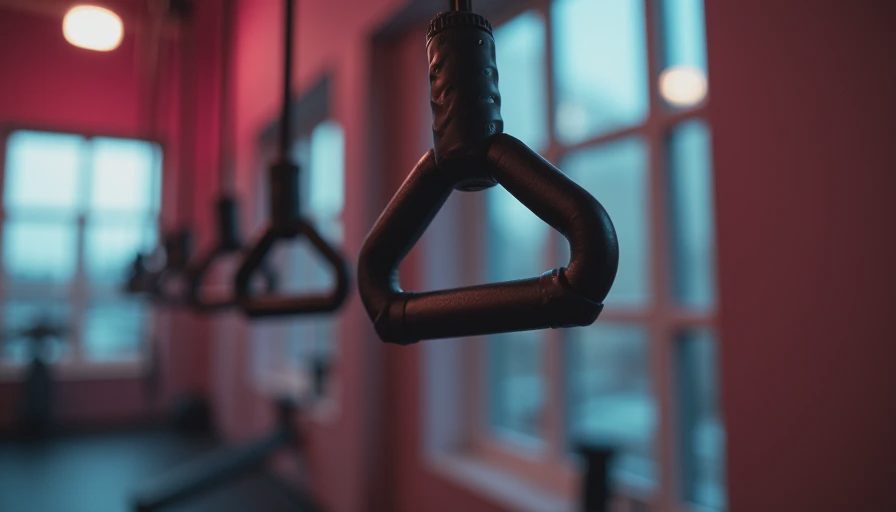
The cable stack provides external resistance through a pulley and handle. Depending on the machine, the angle can keep tension on the triceps when a dumbbell would feel easy at one point and awkward at another. That consistent resistance is one reason tricep workouts cable routines work well for beginners and experienced lifters alike.
Cable training also makes progression straightforward. If 25 pounds feels manageable for three sets of 12 with clean form, try 27.5 or 30 pounds next time, depending on the machine. Small increases are less dramatic than loading a barbell with another 10 pounds, but they are easier to sustain. Your elbows will appreciate the boring approach.
Use a controlled tempo. Lower or return the handle for about two seconds, pause briefly where the triceps are working, then extend without snapping the elbow straight. The last two repetitions should be challenging while still looking like the first few. If your shoulders swing, your ribs flare, or your wrists fold, the weight is too heavy.

The Best Tricep Workouts Cable Exercises
Start with the cable rope pushdown. Set the pulley around upper-chest height, grip the rope, and keep your elbows close to your sides. Push the rope toward your thighs, separating the ends slightly at the bottom. Return until your forearms are roughly parallel to the floor or a little higher. Do three sets of 8 to 12 repetitions.
The straight-bar pushdown is another useful option. It can feel more stable and lets you use a little more load, but do not turn it into a shoulder exercise. Keep your upper arms still and avoid leaning your entire body over the bar. Two or three sets of 10 to 15 repetitions is plenty after heavier pressing.
For the long head of the triceps, use a cable overhead extension. Face away from a low or medium pulley, hold the rope behind your head, and extend your elbows while keeping your upper arms pointed forward. Choose a conservative load. Three sets of 10 to 15 can produce plenty of work without making your lower back compensate.
A single-arm cross-body extension is useful when one arm dominates the other. Set the pulley around shoulder height, stand sideways, and extend the handle across your body with the working arm. Keep the range comfortable and avoid twisting your torso. Two sets of 12 to 15 per side is a practical finish.
A Simple Weekly Cable Plan
For a complete session, begin with a pressing movement such as a machine chest press or dumbbell bench press. Then perform rope pushdowns for three sets of 8 to 12, overhead cable extensions for three sets of 10 to 15, and single-arm extensions for two sets of 12 to 15 each side. Rest 60 to 90 seconds between sets. This gives you eight focused triceps sets, plus indirect work from pressing.
If you train your upper body twice weekly, divide the work instead of repeating the full session. On the first day, do pushdowns and overhead extensions. On the second, use a straight bar and single-arm work. This is where tricep workouts cable programming becomes useful: you can change the angle and attachment without changing the basic movement pattern.
Leave at least 48 hours between hard direct triceps sessions. Muscle is built during recovery, not while you are collecting exercises. Sleep, food, and manageable training volume matter more than adding a fourth attachment to your gym bag.
Form Mistakes That Waste Your Sets
The most common mistake is moving the elbows. When the elbows drift forward and backward, your shoulders and torso help complete the repetition. The fix is simple: reduce the weight, brace your ribs, and imagine your upper arms are pinned beside your body.
Another problem is chasing a deep stretch that causes elbow discomfort. A stretch can be useful, but pain is not proof that the exercise is working. Shorten the range slightly, switch from a bar to a rope, or use a single-arm variation. Persistent pain deserves assessment by a qualified medical professional rather than another internet workaround.
Do not rush the return. Many people push the handle down quickly and let the stack crash on the way up. That removes control and makes it harder to tell whether the triceps or momentum did the work. Quiet plates are a decent sign that you are paying attention.
Finally, stop treating soreness as your scorecard. A productive workout can leave you mildly tired without making it difficult to dress the next morning. Progress means more quality repetitions, a modestly heavier load, or better control over time.
How to Progress Without Chasing Fads
Pick a repetition range and stay with it for several weeks. For example, use 8 to 12 repetitions on pushdowns. When you can complete all three sets at 12 with steady form and about one or two good repetitions still available, increase the stack slightly. Your repetitions may fall back to eight or nine. Build them again.
That approach, sometimes called double progression, removes guesswork. It also gives busy adults a clear target without demanding a new program every Monday. Keep a note in your phone with the exercise, weight, repetitions, and any elbow or shoulder symptoms. Data beats memory, especially when the last set happened after a long day.
Nutrition supports the work. Aim for a regular protein source at meals, such as Greek yogurt, eggs, tofu, chicken, fish, beans, or cottage cheese. A useful general target for active adults is roughly 20 to 40 grams of protein in a meal, adjusted for body size and individual needs. You do not need to demolish a bucket of supplements after training.
Your One Change This Week
Schedule two tricep workouts cable sessions on specific days, keep each to 20 minutes, and record every set. Use rope pushdowns and overhead extensions in the first workout, then straight-bar pushdowns and single-arm extensions in the second. Start lighter than your ego wants. Earn the heavier stack through clean repetitions.
The goal is not to punish your arms or chase a temporary pump. It is to build strength you can maintain while eating normally, sleeping imperfectly, and managing an actual life. Eat enough. Train hard. Repeat. That is the whole system, and it works better than another dramatic promise.


No comments yet — be the first to share a thought.