Pull exercises with dumbbells are one of the simplest ways to train your back, biceps, and rear shoulders without waiting for a cable machine. You need a pair of weights, a bench or sturdy chair, and about 30 minutes. That is enough to build useful strength. You do not need a complicated five-day split, a supplement shelf, or a transformation promise from somebody filming in perfect lighting.
I have helped thousands of people lose weight and get stronger. The boring truth is that consistency beats novelty. Pick a few movements, use controlled reps, add weight slowly, and eat enough protein to support the work. If your goal includes fat loss, lifting helps you keep muscle while your calorie deficit does its job. It does not replace a reasonable eating pattern, but it earns its place in the week.
Why Pull Exercises With Dumbbells Work
A pulling movement brings resistance toward your body or pulls your body toward a stable object. With dumbbells, that usually means rows, curls, pullovers, and rear-delt work. Rows train the muscles across your upper and middle back, including the lats and trapezius. Curls emphasize the biceps. Pullovers challenge the lats while asking your trunk and shoulders to stay controlled.
The main advantage is flexibility. Dumbbells let each arm work independently, so your stronger side cannot completely take over. They also fit in a closet and cost less than a full home gym. A pair of adjustable dumbbells can cover a wide range, from warm-up weights to challenging sets for an experienced lifter.
For general strength, start with two or three sessions per week. Perform two to four sets of each exercise, usually for 8 to 15 repetitions. Stop with one or two good reps still available instead of grinding through ugly form. That approach gives your muscles a reason to adapt without making your joints pay for your enthusiasm.
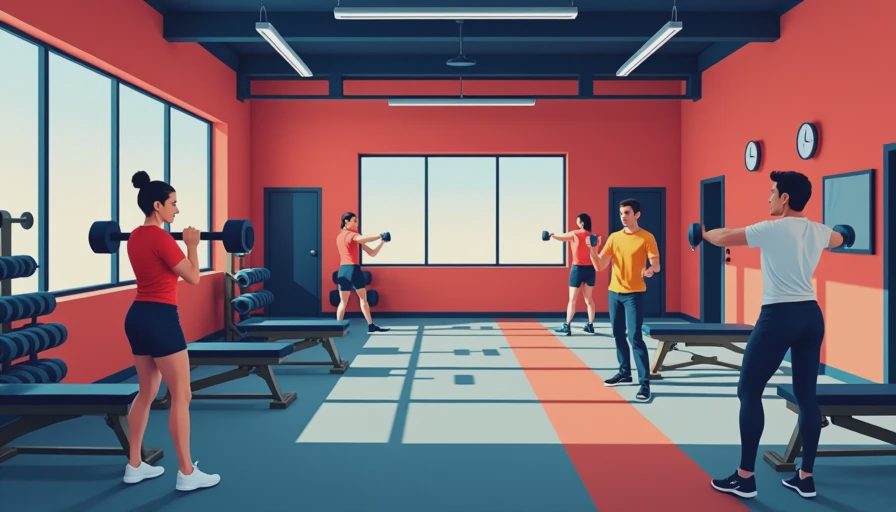
The Best Pull Exercises With Dumbbells
The one-arm dumbbell row is the anchor. Place one hand on a bench or chair, keep your back flat, and let the weight hang beneath your shoulder. Pull your elbow toward your hip, pause briefly, then lower the dumbbell. Do not twist your torso to force the weight higher. Complete 8 to 12 reps on one side before switching.
The bent-over dumbbell row is useful when you want both sides working together. Stand with feet about hip-width apart, soften your knees, hinge at the hips, and keep your spine neutral. Pull both elbows back without shrugging. If your lower back gets tired before your upper back, reduce the weight and improve your hinge.
The dumbbell pullover adds a different challenge. Lie across a bench or lengthwise on the floor, hold one dumbbell over your chest with both hands, and slowly lower it behind your head. Keep the movement comfortable for your shoulders. Pull the weight back over your chest using your lats rather than flaring your ribs.
Finish with a rear-delt fly. Hinge forward, allow the weights to hang, and raise them out and slightly back with a small bend in your elbows. Use light dumbbells. Five-pound weights can be plenty when the movement is strict.
How to Add Arms Without Wasting Time
Pull exercises with dumbbells already train your biceps through rows, but direct curls can be useful if your arms are a priority. The basic standing curl is enough for most people. Keep your elbows close to your ribs, curl without swinging, and lower the weights for a slow count of two or three. Try 2 or 3 sets of 10 to 15 reps.
Hammer curls use a neutral grip, with your palms facing each other. They train the biceps and the brachialis, a muscle underneath the biceps that contributes to upper-arm thickness. They are also generally comfortable for people whose wrists dislike a fully supinated curl.
The mistake I see most often is turning curls into a full-body heave. If your hips thrust forward and your shoulders roll, the weight is too heavy for the target muscle. Drop down five or ten pounds, keep your ribs stacked over your pelvis, and make every repetition look similar. Strength is built by repeatable work, not by impressing the person in the next room.
A Simple Dumbbell Pull Workout
Here is a practical session using pull exercises with dumbbells. Warm up for five minutes with brisk walking, arm circles, and several easy hinge repetitions. Then perform the one-arm row for 3 sets of 8 to 12 per side. Follow it with the bent-over row for 3 sets of 10. Rest 60 to 90 seconds between sets.
Next, do the dumbbell pullover for 2 sets of 10 to 12, rear-delt flies for 2 sets of 12 to 15, and hammer curls for 3 sets of 10 to 15. This is enough volume for a productive workout, especially if you are returning after a long break. The entire session should take about 30 to 40 minutes, including warm-up and setup.
Train this workout on Monday and Thursday, or leave at least one day between sessions. If you also do push exercises, place them on different days or perform them after the pulling work. Your back does not need punishment; it needs a clear stimulus and enough recovery to respond.
How to Progress Without Chasing Soreness
Progressive overload means gradually asking your muscles to do more. First, keep the same dumbbell and add repetitions within your chosen range. For example, move from 8 reps to 12 reps over several workouts. Once you can complete every set with controlled form, increase each dumbbell by 2.5 to 5 pounds and return to the lower end of the range.
You can also add a set, improve your pause at the top, or slow the lowering phase. Those changes count, but they are not a license to turn every session into an endurance test. Record the exercise, weight, reps, and how difficult the final set felt. A notebook or phone note removes guesswork.
Soreness is not the scoreboard. If you are so stiff that carrying groceries or climbing stairs is miserable, you did more than you needed. Mild fatigue and gradual strength gains are better signs than a dramatic ache that interrupts the rest of your week.
Form, Recovery, and the One Change This Week
Good pull exercises with dumbbells begin with a stable torso. Brace your abdominal muscles gently, keep your neck in line with your spine, and move the weight through a range you can control. Stop if you feel sharp pain, numbness, or a joint symptom that worsens with each repetition. A physical therapist can help if an old injury keeps limiting training.
Recovery is not a reward for finishing the workout. Sleep as consistently as your schedule allows, drink enough fluid, and include a protein source at meals. A practical target for many active adults is roughly 20 to 35 grams of protein at a meal, using foods such as Greek yogurt, eggs, tofu, beans, fish, chicken, or cottage cheese. Your exact needs depend on body size, health, and goals.
This week, choose two workout days, complete three sets of one-arm rows, and write down every rep. That is the change. Do not replace it with a new program next Tuesday because a fitness account promised faster results. Eat enough. Train hard. Repeat.
No comments yet — be the first to share a thought.