If you are stuck choosing between powerlifting vs Olympic weightlifting, start with the number that matters most: three competition lifts versus two. Powerlifting tests the squat, bench press, and deadlift. Olympic weightlifting tests the snatch and the clean and jerk. Both build strength. Neither is a magic fat-loss program. The better choice is the one you can practice consistently, recover from, and fit into an ordinary week with work, family, and the occasional bad night of sleep.
I have watched plenty of adults bounce from a boot camp to a high-rep circuit to an ambitious lifting program, then quit because the plan was too complicated. You do not need a dramatic transformation. You need a repeatable training schedule, enough food to support it, and a progression you can actually follow. Eat enough. Train hard. Repeat.
Powerlifting vs Olympic weightlifting: the basic difference
Powerlifting is about moving the most weight possible for one successful repetition in each of three lifts. The squat demands lower-body strength and bracing. The bench press emphasizes the chest, shoulders, and triceps. The deadlift asks you to produce force through the floor while keeping the trunk stable. Training usually includes multiple sets of low to moderate repetitions, such as five sets of five early in a program or several sets of two to four as intensity rises.
Olympic weightlifting is about lifting a barbell from the floor to overhead as efficiently and quickly as possible. The snatch takes the bar from the floor to overhead in one motion. The clean and jerk brings it to the shoulders, then sends it overhead. These lifts require timing, mobility, balance, speed, and technical practice. You will also see front squats, pulls, overhead squats, and other drills supporting the competition movements.
That difference changes the feel of each session. A powerlifting workout often gives you time to set your feet, brace, and complete a controlled rep. An Olympic lifting session may include dozens of technically demanding repetitions with lighter weights because precision matters more than grinding until failure.
Which style builds more muscle and strength?
Powerlifting is the straightforward choice if your main goal is maximal strength in the squat, bench press, or deadlift. The movements are relatively stable, so you can gradually add weight and clearly track performance. A beginner might add 5 pounds to an upper-body lift or 5 to 10 pounds to a lower-body lift when form and recovery support it. That is not flashy, but steady progress works.
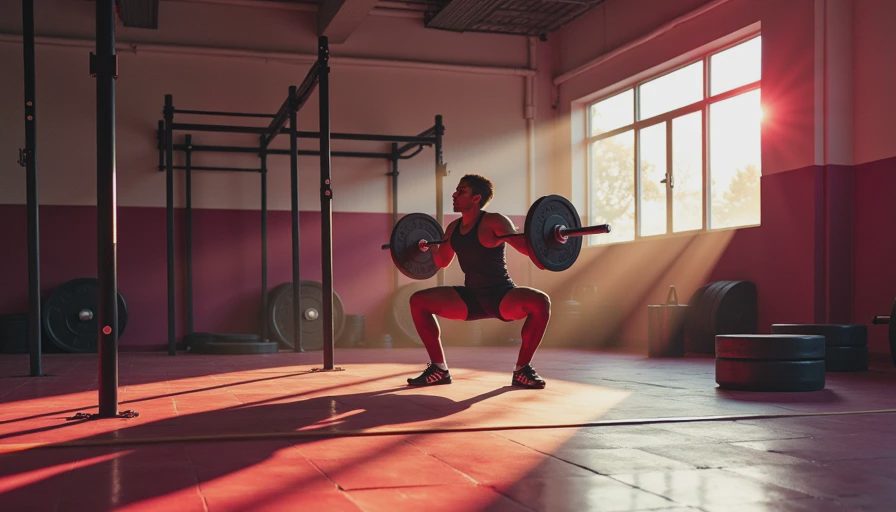
Olympic weightlifting builds substantial leg, hip, upper-back, and shoulder strength, particularly through squats, pulls, and overhead work. It also develops power, meaning the ability to produce force quickly. That can carry over to jumping, sprinting, and athletic movement. However, the competition lifts have a steeper learning curve. Adding weight before your timing and receiving position are sound is a reliable way to turn a useful exercise into an ugly one.
For general muscle gain, neither style wins automatically. Muscle responds to challenging training volume, adequate protein, calories that match your goal, sleep, and months of consistency. A person doing powerlifting movements with poor nutrition will not outgrow someone doing Olympic lifting who eats enough and trains intelligently.
What is better for fat loss?
Here is the unglamorous answer in the powerlifting vs Olympic weightlifting debate: neither one creates fat loss by itself. Fat loss requires a sustained calorie deficit, while resistance training helps preserve muscle as body weight decreases. Your nutrition does more of the scale work; lifting helps determine what kind of weight you retain.
A practical fat-loss plan might include three lifting sessions per week, 25 to 35 grams of protein at each main meal, and walking most days. A 30-minute brisk walk can be easier to recover from than adding exhausting conditioning after every barbell session. Keep a modest calorie deficit, often around 250 to 500 calories per day, rather than slashing food and then rebounding on Saturday.
Olympic lifting sessions can feel highly athletic and may raise your heart rate, but the technical demand makes them poor candidates for rushed, fatigued workouts. Powerlifting sessions can also be demanding, especially with heavy squats and deadlifts. Neither style earns you permission to eat back every calorie your fitness tracker displays. Track your food for two weeks, watch your average body weight, and adjust based on the trend.
Which option suits a busy adult?
Powerlifting usually has the easier entry point for a busy beginner because the basic patterns are easier to scale. You can learn a goblet squat, dumbbell bench press, and Romanian deadlift before moving to a barbell. A 45-minute session could include a squat variation, a press, a row, and a short walk. That is enough to make progress without living at the gym.
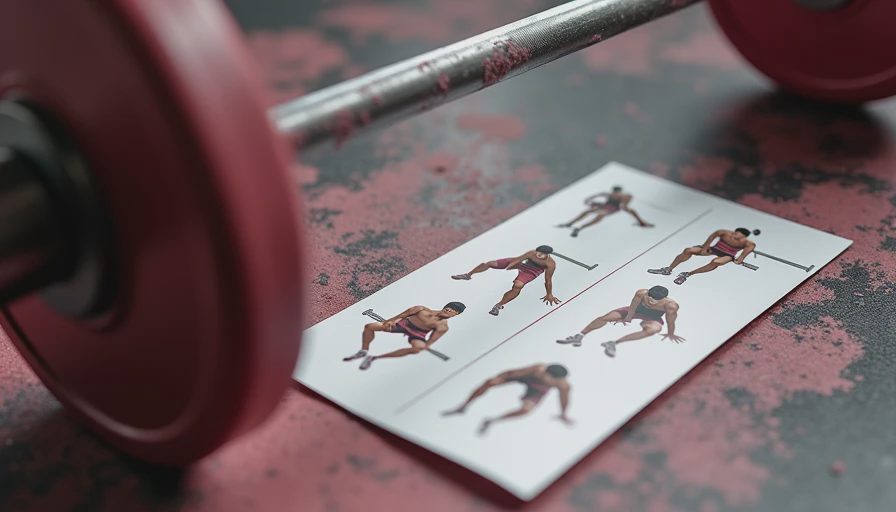
Olympic weightlifting rewards more frequent practice. A new lifter may benefit from three or four shorter sessions each week, with coaching focused on positions and bar path. If your gym has a qualified coach and you enjoy repetition, this can be satisfying. If you have twenty minutes between school pickup and dinner, a full snatch-and-clean program may be more frustrating than useful.
Your age does not disqualify you from either discipline. It does mean warm-ups, joint history, sleep, and recovery deserve attention. Someone in their forties can train hard, but hard does not mean reckless. Leave a few good repetitions in reserve when learning, and increase training demands gradually.
How to choose your starting program
In powerlifting vs Olympic weightlifting, choose powerlifting if you enjoy measurable, slower strength progress and want to focus on the three classic barbell lifts. Choose Olympic weightlifting if you like technical practice, explosive movement, and the challenge of coordinating your whole body under a moving bar. Choose neither as your identity. Choose a training method that supports your life.
Start with three sessions for eight weeks. On each day, perform one primary lift for three to five sets, two accessory movements for two to four sets, and finish with easy conditioning or walking. Use a weight that leaves about two repetitions in reserve. Write down the exercise, weight, repetitions, and how difficult it felt. If your form breaks down, the set is finished; ego is not a training variable.
If you want to try Olympic lifting, spend the first phase learning with a PVC pipe or empty bar. If you want powerlifting, have a coach review your squat depth, bench setup, and deadlift position. A few paid coaching sessions can save months of guessing and often cost less than buying another abandoned online program.
Food and recovery decide the result
Training is the stimulus. Recovery is where adaptation happens. Aim for seven to nine hours of sleep when possible, distribute protein across the day, and include carbohydrates around demanding sessions. A simple pre-workout meal might be Greek yogurt with fruit, or toast with eggs two hours before training. Afterward, eat a normal meal containing protein, carbohydrates, and vegetables. You do not need a neon-colored supplement stack.
If fat loss is the priority, keep the deficit moderate and expect some sessions to feel less powerful. If strength or performance is the priority, eating at maintenance or a small surplus may support better progress. Weighing oatmeal for twenty seconds will not ruin your life, but obsessing over every gram can. Use enough tracking to make decisions, not enough to make meals miserable.
The bottom line in powerlifting vs Olympic weightlifting is simple: powerlifting is usually easier to measure and learn, while Olympic weightlifting offers exceptional technical and explosive training. Both can build a stronger body and support fat loss when nutrition, recovery, and consistency are handled. Pick the style you will still do on a rainy Tuesday in November. Then put the bar down with good form, eat a real dinner, and come back next week.
No comments yet — be the first to share a thought.