High bar squat vs low bar squat is not a contest between the “right” lift and the “wrong” lift. Both are legitimate barbell squats. The useful question is simpler: which position lets you train your legs, hips, and trunk hard while staying comfortable enough to repeat the movement week after week? That answer depends on your goals, mobility, proportions, experience, and what your shoulders and back tolerate.
I have watched plenty of people waste months chasing a powerlifting-style squat because somebody online called it superior. Your squat does not need to look impressive on video. It needs to fit your body and your program. Eat enough. Train hard. Repeat.
What changes between the two squat styles
A high bar squat places the bar across the upper trapezius muscles, near the base of your neck. You usually keep a more upright torso, allow the knees to travel farther forward, and descend with the hips more directly under the bar. This position tends to create a greater demand on the quadriceps, although your glutes, adductors, and spinal erectors still work hard.
A low bar squat places the bar lower, across the rear deltoids and upper back. To keep the bar balanced over the middle of your foot, you generally sit the hips farther back and lean the torso forward more. That shifts some work toward the hips, glutes, hamstrings, and back. It does not turn the lift into a hamstring isolation exercise. Your quads still contribute, especially when you reach adequate depth.
The bar position changes your joint angles and leverage, not the basic rules of a sound squat. Brace before you descend, keep the bar controlled, reach a repeatable depth, and drive through the whole foot. If your heels lift, knees collapse inward, or your lower back loses position, adding weight is not the solution.

High bar squat vs low bar squat for strength and muscle
If your main goal is to build your quads, the high bar squat is often the cleaner starting point. An upright torso and more knee flexion can make the movement feel similar to a front squat or a leg press, though the loading pattern is different. A set of 5 to 10 controlled repetitions can provide plenty of stimulus without turning every workout into a test of your hip mobility.
The low bar variation can be useful when your goal is to move the most weight possible. Sitting back and using the hips can improve leverage for some lifters. That does not mean everyone will lift more with a low bar position. A longer torso, shorter femurs, strong upper back, or comfortable shoulder position can change the result.
For general strength and body composition, either version can work. Squats burn calories, but they are not a magic fat-loss tool. A hard lower-body session might use substantial energy, yet your weekly calorie balance still matters more than whether the bar sits two inches higher or lower. Keep protein consistent, eat enough to recover, and use a modest calorie deficit if fat loss is the goal.
How your body proportions affect the choice
Your skeleton is not a mistake to correct. Femur length, torso length, ankle mobility, hip structure, and shoulder flexibility all influence how a squat feels. A person with long femurs may need more forward torso lean to keep the bar over the midfoot. That can make a low bar squat feel natural, or it can make both styles challenging until technique improves.
Limited ankle dorsiflexion often makes the high bar squat feel awkward because the knees need to travel forward. You can test a small heel lift, weightlifting shoes, or a wedge under the heels. Do not confuse a mobility problem with a character flaw. A two-inch heel is a training tool, not cheating.
The low bar position has its own demands. You need enough shoulder external rotation to hold the bar securely and enough upper-back tension to stop it from rolling. If your elbows, wrists, or shoulders hurt, do not force the position because a stranger with a three-hundred-pound squat recommended it. Try a wider grip, better wrist alignment, or the high bar version instead.
Technique checkpoints that matter more than the label
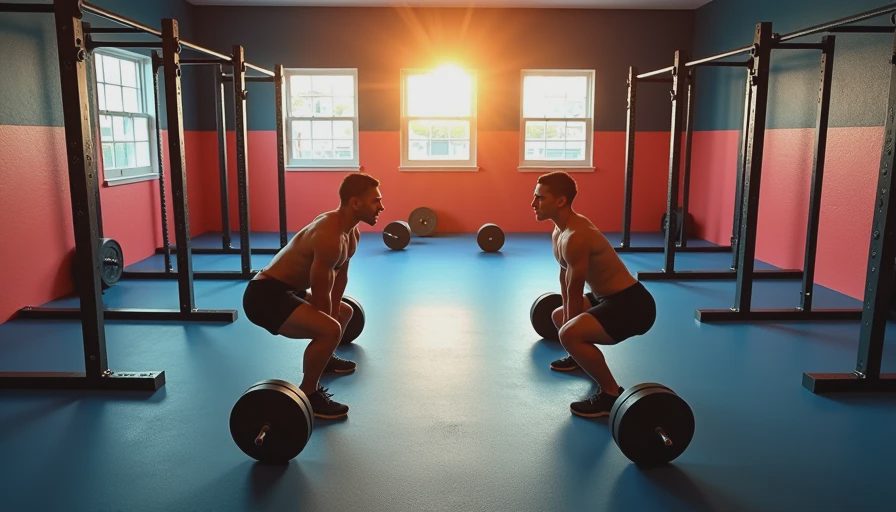
Before choosing a style, film three light sets from the side and from a front corner. Look for a bar path that stays roughly over the middle of your foot. Your knees should track in the same general direction as your toes, and your feet should remain planted. Depth should be consistent from repetition to repetition rather than changing when the weight gets heavy.
For high bar work, think “ribs stacked over pelvis” and “knees forward and out.” Keep the brace firm, but do not overextend your lower back to appear upright. For low bar work, think “hips back while the chest stays strong.” Leaning forward is expected; collapsing forward is not. In both versions, descend under control and stand up by pushing the floor away.
A practical starting prescription is three sets of five repetitions at a weight that leaves two or three good repetitions in reserve. Add 5 pounds when every rep is stable and recovery is reasonable. If your technique breaks down, repeat the load or reduce it by 5 to 10 percent. You are building a pattern, not auditioning for a lifting highlight reel.
Which squat should beginners and busy adults use?
For a beginner, I usually prefer the high bar squat if the bar feels secure and the person can reach a comfortable depth. It is straightforward to understand: stay tall, bend the knees and hips, and keep the bar balanced. A goblet squat is often an even better first step because it teaches bracing and depth without demanding a barbell position.
A low bar squat makes sense when someone has a clear reason to use it, such as a powerlifting goal or a comfortable hip-dominant pattern. It can also be a good option for a lifter whose shoulders tolerate the position and whose knees feel better with less forward travel. The best choice is the one you can perform twice a week without pain that lingers or technique that falls apart.
You do not have to marry one variation. Use high bar squats on a quad-focused day and low bar squats during a strength block, or alternate them every four to six weeks. Split squats, leg presses, Romanian deadlifts, and step-ups can fill gaps without turning your program into a collection of squat arguments.
A simple decision for this week
Choose the high bar squat when you want a more upright pattern, extra quad emphasis, or a simpler barbell squat to practice. Choose the low bar squat when you want to train a hip-dominant pattern, compete in powerlifting, or feel stronger with the bar lower on your back. If both positions hurt, stop forcing either one and use a goblet squat, safety bar squat, or belt squat while you solve the limiting issue.
For this week, pick one version and perform three sets of five twice. Use the same shoes, stance, depth target, and rest period. Write down the load and how many repetitions felt difficult. After two weeks, judge the lift by progress, comfort, and recovery—not by which variation wins an internet debate.
The short answer to high bar squat vs low bar squat is that neither automatically wins. A technically sound squat that you can recover from will beat a theoretically perfect squat you avoid. Train the version that matches your body and your goal, then give it enough consistent practice to work.
No comments yet — be the first to share a thought.