If you are sorting through powerlifting vs olympic lifting, you do not need another dramatic promise about transforming your body in 30 days. You need to know what each sport actually trains, how much time it takes, and whether it fits your joints, schedule, and goals. Both can build strength. Neither requires a magic supplement, a six-day program, or a personality transplant.
I have watched plenty of adults chase the most impressive-looking workout on social media, get beat up, and quit three weeks later. The smarter approach is boring: choose a training style you can repeat, eat enough protein, and progress gradually. Eat enough. Train hard. Repeat.
The basic difference between the two sports
Powerlifting tests three barbell lifts: the squat, bench press, and deadlift. In competition, you get attempts at each lift, and your best successful numbers are added together. The goal is maximum force. A powerlifter spends a lot of time practicing efficient technique, building muscle that supports those lifts, and preparing for heavy attempts.
Olympic lifting, officially called weightlifting, tests the snatch and the clean and jerk. These lifts move a barbell from the floor to overhead quickly. The goal is not simply to lift a heavy object slowly. You need speed, timing, mobility, balance, and the ability to receive the bar in a deep position. That makes the learning curve steeper for most beginners.
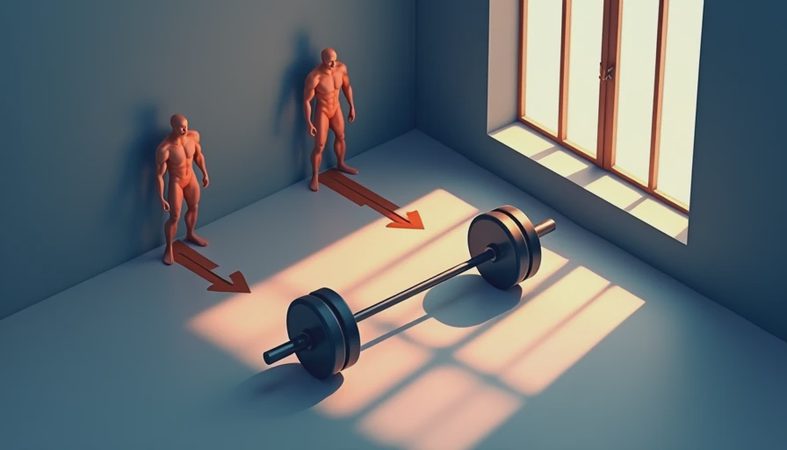
Put plainly, powerlifting asks, “How much can you move?” Olympic lifting asks, “How much can you move explosively and precisely?” Both reward consistency, but the skill demands are different.
Powerlifting vs olympic lifting for strength and muscle
Powerlifting is usually the easier entry point if your first goal is general strength. Squats, presses, deadlifts, rows, and accessory exercises are straightforward to scale. A beginner can learn a goblet squat, dumbbell bench press, and Romanian deadlift before touching heavy barbells. The movements are still technical, but you have more control over the speed and range.
Olympic lifting develops excellent rate of force production. In plain English, it teaches you to create force fast. That can help with jumping, sprinting, and athletic movement. However, an empty-bar snatch is not automatically beginner-friendly. Shoulder mobility, ankle mobility, overhead stability, and coaching quality matter. If those pieces are missing, the barbell will expose the problem quickly.
For muscle gain, neither sport has exclusive rights. Muscle grows when training provides enough stimulus, food supplies enough energy and protein, and recovery is adequate. A powerlifting-centered plan often makes hypertrophy easier because it includes controlled accessory work. An Olympic lifting plan can build your legs, back, and shoulders, but many athletes add squats and pulls to fill in the gaps.
Which one burns more calories?
Here is the answer people usually do not want: neither sport is a reliable calorie-burning shortcut. Heavy lifting sessions include rest periods, and Olympic lifting sessions include technical practice that may involve only a few repetitions at a time. A 60-minute session might burn roughly 200 to 500 calories depending on body size, exercise selection, pace, and rest. Wearable devices are not precise enough to treat that estimate like a food budget.
Powerlifting can support fat loss by helping you maintain muscle while eating in a moderate calorie deficit. Olympic lifting can do the same and may feel more athletic and engaging. The scale still responds primarily to your average calorie intake over time. If training makes you ravenous and you compensate with two restaurant meals afterward, the barbell did not fail. The plan failed to account for appetite.
Aim for a manageable deficit, commonly around 250 to 500 calories below maintenance, rather than slashing food. Protein around 1.6 to 2.2 grams per kilogram of body weight per day is a useful evidence-based range for many active adults. If you have kidney disease or another medical condition, get individualized guidance before pushing protein higher.
Powerlifting vs olympic lifting for busy adults
Your calendar matters more than your enthusiasm on January 2. A powerlifting-style session can work well in three weekly workouts. You might squat and press on Monday, deadlift and row on Wednesday, then squat, bench, and use accessories on Friday. Most sessions can fit into 45 to 75 minutes if you stop scrolling between sets.
Olympic lifting often benefits from more frequent practice because the snatch and clean and jerk are skill-heavy. Three or four shorter sessions can be more useful than one brutal weekend workout. You may spend 15 minutes on drills, 20 minutes on technique lifts, and another 20 minutes on squats or pulls. That is reasonable for a committed athlete, but it is not always realistic for a parent rushing from work to school pickup.
If you can train twice per week, choose the style that lets you practice consistently. A simple full-body strength plan may beat an ideal Olympic lifting program you cannot attend. There is no medal for owning the most complicated spreadsheet.
Injury risk, coaching, and recovery
Neither sport is inherently reckless. Poor loading, poor technique, fatigue, and impatience are the usual troublemakers. Powerlifting places substantial stress on the knees, hips, back, and shoulders when loads become heavy. Olympic lifting adds speed and overhead positions, so mobility and timing become especially important.
A qualified coach is valuable for either option, particularly during the first few months. You want someone who can adjust range of motion, select sensible starting weights, and explain why a lift changes instead of yelling “push harder.” Video from the side and front can also reveal whether your bar path, depth, or receiving position needs attention.
Recovery means more than buying a shaker bottle. Sleep seven to nine hours when possible, eat carbohydrates around demanding sessions, and leave at least a day between hard training for the same muscle groups. Normal soreness is different from sharp pain, numbness, or pain that changes your movement. Stop and seek professional evaluation when those symptoms appear.
How to choose your starting point
Choose powerlifting if you enjoy measurable strength numbers, want a straightforward progression, or prefer controlled lifts with fewer explosive catches. It is also a sensible choice for adults returning to training after years away, provided the program starts below your ego.
Choose Olympic lifting if you enjoy technical practice, fast movement, and the satisfaction of refining a skill. It can be a great fit for someone who finds traditional gym workouts dull and wants every repetition to demand attention. Just accept that progress may look like a cleaner catch or faster turnover before it looks like a bigger number.
Still unsure about powerlifting vs olympic lifting? Start with a four-week trial. Train three times weekly, keep two repetitions in reserve on most working sets, and record the weight, repetitions, and how the movement felt. Do not test a one-repetition maximum during week one. At the end, ask which sessions you looked forward to, which movements felt competent, and which schedule survived real life.
The best choice is the one you can perform safely, fuel adequately, and repeat for the next year. Powerlifting vs olympic lifting is not a morality contest, and one does not make you tougher than the other. Pick the method that supports your goals, learn the lifts properly, and build from there. Eat enough. Train hard. Repeat.
No comments yet — be the first to share a thought.