If you have ever wondered, "is deadlift back or legs," you are asking the wrong either-or question. The deadlift trains both, but your legs should start the movement while your back holds your spine steady. Think of your body as a team: your glutes and hamstrings produce force, your quadriceps help you push the floor away, and your back muscles keep the bar close and your torso organized. That is the useful answer, not the gym-bro argument about which muscle is supposed to be sore tomorrow.
I have coached enough people to know that soreness is a poor scorecard. A deadlift can be an excellent full-body strength exercise even when your back is not sore. It can also irritate your lower back when the load is too heavy, the bar drifts forward, or fatigue wrecks your position. Eat enough, train hard, repeat, but do the boring technical work first.
Is deadlift back or legs? What each muscle actually does
The deadlift begins with a hip hinge. Your hips move backward, your knees bend enough to let you reach the bar, and your shins stay relatively close to vertical. From the floor, the quadriceps help extend the knees. As the bar rises past the knees, the hamstrings and glutes extend the hips. At the top, you stand tall by squeezing the glutes, not by leaning backward.
Your back has a different job. The erector spinae, lats, and upper-back muscles create stiffness so the bar can travel while your spine stays controlled. They are working hard, but they are not supposed to yank the weight off the floor. That distinction answers is deadlift back or legs more accurately than any muscle soreness test: the legs and hips move the load, while the back stabilizes the structure.
Grip, trunk, and abdominal muscles also contribute. A strong brace lets you transfer force from your feet through your hips and into the bar. If you use a trap-bar deadlift, your more upright torso often increases the contribution from the quadriceps. A conventional barbell deadlift usually emphasizes the posterior chain, especially the glutes, hamstrings, and spinal erectors.
Why your lower back might feel the deadlift
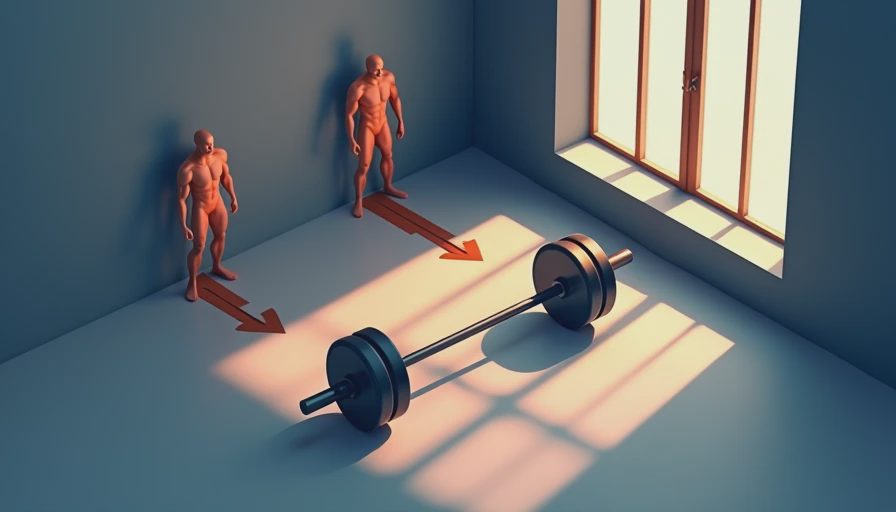
Feeling your lower back working is not automatically a problem. Those muscles contract to hold position, much like your abdominal muscles work during a plank. The concern is a sharp pain, pain that travels down a leg, numbness, or discomfort that worsens with every repetition. Stop the set and get qualified medical guidance for those symptoms rather than trying to stretch through them.
A common issue is starting with your hips too low. Many lifters squat down to the bar, then shoot their hips up before the weight moves. That creates unnecessary motion and often leaves the back doing more work than planned. Another issue is letting the bar drift several inches away from your legs. The farther the load moves from your midfoot, the more leverage your lower back must fight.
Use a simple check: set the bar over the middle of your foot, brace as though someone is about to tap your stomach, pull the slack out of the bar, and push the floor away. Keep the bar close enough to brush your shins and thighs. Record a side-view video with a light weight. A deadlift that looks controlled at 95 pounds is more valuable than an ugly rep at 225.
Technique changes whether the lift feels like back or legs
If you want your legs and hips to contribute more, start with a stance that allows your arms to hang naturally and your feet to stay planted. Your shoulders should be slightly in front of the bar at the start, not dramatically behind it. Keep your ribs stacked over your pelvis, lock your lats by imagining you are squeezing oranges into your armpits, and take a breath before each heavy repetition.
The conventional deadlift is not the only option. A trap bar can be easier to learn because the handles sit beside your body and usually allow a taller starting position. A Romanian deadlift starts from standing and lowers the bar with a soft knee bend, making it a practical way to train the hamstrings and glutes without repeatedly pulling from the floor. A sumo stance can reduce the required hip travel for some lifters, but it still demands control and adequate mobility.
None of these variations turns the deadlift into a magic fat-loss exercise. Strength training helps preserve or build muscle while you lose fat, but your calorie balance still matters. A deadlift session does not erase a weekend of unmeasured snacks. That is not punishment; it is math.
Is deadlift back or legs when programming your workout?
For most adults, two or three weekly strength sessions are enough to make progress. Start with two or three sets of five to eight deadlift repetitions using a weight you can lift with consistent form. Leave two or three good repetitions in reserve instead of grinding until your back rounds. Rest two to three minutes between working sets, and take longer if your breathing or grip has not recovered.
Pair the lift with movements that cover the rest of your body. A practical session might include goblet squats for three sets of eight to twelve, deadlifts for three sets of five, a dumbbell bench press for three sets of eight to ten, and a row for three sets of eight to twelve. Add walking when you can. You do not need a six-day split, a waist trainer, or a supplement stack that costs $140 a month.
Progress gradually. If all repetitions are crisp for two workouts, add five to ten pounds, depending on the bar and your experience. If your form deteriorates, repeat the same weight or reduce it by 5 to 10 percent. The best answer to is deadlift back or legs is the one that lets you train consistently next week.
How to tell whether your form is working
After a set, ask three questions. Did the bar stay close to my body? Did my hips and shoulders rise together from the floor? Could I have stopped the repetition without losing my brace? If the answer is no, the solution is usually less weight and more practice, not a motivational speech.
Your grip may fail before your legs do. That is normal, especially with higher repetitions. Use a mixed grip only when you understand the tradeoff, and consider straps for appropriate training sets if grip is limiting your back and hip work. Do not twist your torso to finish a repetition. Reset between reps when necessary instead of bouncing the bar and hoping momentum covers a weak position.
A qualified coach can help, particularly if you have a history of back injury. A physical therapist is the right professional for persistent pain, movement limitations, or symptoms beyond ordinary training fatigue. Online clips can teach useful cues, but they cannot examine your spine, hips, or individual history.
The practical answer for this week
So, is deadlift back or legs? It is both, with different responsibilities. Your legs and hips should generate most of the movement, while your back should stabilize and transfer force. If your lower back is taking over, lower the weight, bring the bar closer, improve your brace, and film a set from the side.
This week, choose a manageable load and complete three sets of five perfect repetitions. Then eat a normal meal containing protein and carbohydrates, sleep as well as your schedule allows, and walk the next day. You do not need to chase soreness to prove the workout counted. Build a position you can repeat, add weight slowly, and let months of ordinary training do what one frantic workout never can.
No comments yet — be the first to share a thought.