If you want chest and tricep exercises that actually work, start by dropping the circus act. You do not need a secret finisher, a $90 pump machine, or a 45-minute chest day built around random cable angles. You need a few presses, a few direct triceps moves, enough weekly volume, and the patience to repeat it for months. That is the part most people skip. They chase soreness, not progress. Soreness is not the goal. Getting stronger in a controlled way, while keeping your joints happy, is the goal.
The good news is that a simple plan beats a flashy one. Most busy adults do better with two upper-body sessions per week than with one marathon workout they dread. Use compound lifts for the bulk of the work, then add focused triceps work at the end. If fat loss is part of the picture, keep your protein high, your calories honest, and your training consistent. Eat enough. Train hard. Repeat.
Build the press first, then add the extras
The chest is a pressing muscle, so your first job is to press well. A flat barbell bench press, dumbbell bench press, or incline dumbbell press should do most of the heavy lifting. Pick one main press and build around it for 6 to 10 reps on most sets. If your shoulders get cranky, dumbbells often feel friendlier than a barbell because your hands can move a little more naturally. Push-ups still earn their keep too, especially when you elevate your hands or add load with a vest.
The point is not to collect exercises. The point is to give the muscle a strong enough signal to grow. For most lifters, 10 to 20 hard sets per week for the chest is plenty, but you do not need to jump there on day one. Start with fewer sets, recover well, then add volume only when the current work stops driving progress. A chest workout that leaves you wrecked for three days is usually too much, not too effective.
Where triceps do the real work
Your triceps already help during every press, so direct arm work should finish the job, not hijack the workout. Good options are cable pressdowns, overhead cable extensions, lying dumbbell skull crushers, and close-grip bench presses. Each one hits the triceps from a slightly different angle. Overhead work is useful because it trains the long head of the triceps in a stretched position, which many people miss if they only do pressdowns.
Keep the elbow-friendly version if you feel beat up. Cable work is easy on the joints and easy to progress. If skull crushers bother your elbows, switch to a rope pressdown or a single-arm cable extension and keep moving. The best program is the one you can recover from and repeat next week. That is boring advice. It is also why some people keep making progress while others keep buying new programs.
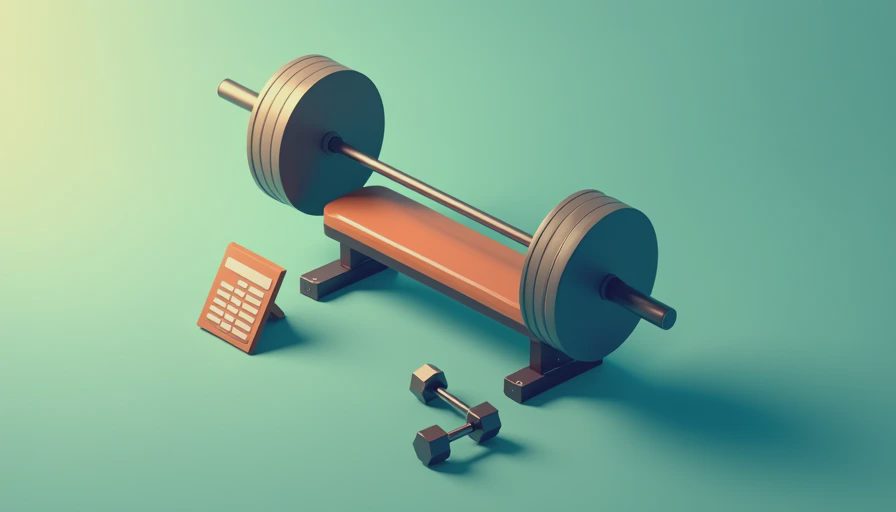
Chest and tricep exercises for a two-day split
A simple twice-weekly split works well for people who train around work, kids, and a life that does not revolve around the gym. On day one, use a main press, a second press with a slightly different angle, and one triceps isolation move. On day two, use a different press pattern, maybe dumbbells or a machine, then finish with another direct triceps exercise. That gives you enough frequency without turning every session into a chest marathon.
Here is the useful part: keep one or two reps in reserve on most sets. You do not need to fail every set to build muscle. In fact, training to failure on every pressing set usually just slows recovery and makes your form sloppy. Rest about two to three minutes on your big lifts and about 60 to 90 seconds on smaller movements. That is long enough to keep the work quality high, which is the part that matters.
Progress comes from better reps, not more chaos
If your numbers are not going up, your plan is not working yet. Progress can mean five more pounds on the dumbbells, one more rep with the same load, or cleaner technique with the same weight. I like simple double progression: pick a rep range, such as 6 to 10, and keep the same weight until you can hit the top end with good form. Then raise the load a little and start again.
This is where people go off the rails. They change exercises every week, chase soreness, and never give one lift enough time to improve. Pick a press, track it, and let it earn its place. If the bar path is all over the map, your elbows flare so hard your shoulders complain, or your lower back is doing the work of your chest, the set does not count as good quality work. Better reps beat sloppy grinding every time.
What to eat so the work actually shows up
If you are trying to build muscle, chest and tricep exercises alone will not do the whole job. You need enough protein and enough total food to recover. A practical target for many adults is about 0.7 to 1.0 gram of protein per pound of body weight each day, spread across three or four meals. That is not fancy. It is just effective. Chicken, Greek yogurt, eggs, tofu, cottage cheese, lean beef, protein powder, and fish all fit.
If fat loss is the goal, stay in a modest calorie deficit and keep the lifting hard. Do not crash diet and expect your presses to climb. Strength usually stalls when recovery tanks. That does not mean you need a bulk to improve. It means you need a sensible deficit, enough protein, and a plan you can live with for more than two weeks. The boring answer is usually the right one.
A simple way to stop guessing
If you want a place to start this week, build two sessions around a flat or incline press, one secondary press, and one triceps isolation move. Keep the total to a level you can recover from, then repeat it for four to six weeks before you change much. That is enough time to learn what your body responds to. Most people do not need more novelty. They need better follow-through.
So stop treating chest and tricep exercises like a scavenger hunt. Press well, train triceps directly, track your numbers, and eat like recovery matters. That is how you build a stronger upper body without living in the gym. Eat enough. Train hard. Repeat.

No comments yet — be the first to share a thought.