A strength level bench press calculator is useful when you want an honest read on your press instead of a gym-floor ego contest. It takes a working set, estimates your one-rep max, and compares it with common strength standards for your body weight. That sounds simple because it is. If you can bench 135 for 10 clean reps, the tool can tell you whether that number lands in a beginner, intermediate, or advanced lane. I like it because it gives people a target that is more useful than get stronger somehow. Use it the same way I tell clients to use a food log: as data, not as a moral score.
What the number actually means
Most calculators start with a set you can perform with good form, usually between 3 and 10 reps, then estimate one-rep max using a formula such as Epley or Brzycki. If you press 185 pounds for 5 reps, your estimated max is roughly 216 to 218 pounds. From there, the calculator may compare that number with your body weight. A 180-pound man with a 220-pound bench is in a very different spot from a 125-pound woman with a 120-pound bench, and that is the point. The number is context, not a verdict.
The best use is simple: test the same way each time, write it down, and stop pretending a random heavy single tells you more than a clean working set. If your last good set was 155 for 6, that is a better benchmark than a grinder rep that looked like a tax audit in the mirror. A tool that makes your training honest beats a tool that flatters you.
How to use the calculator without gaming it
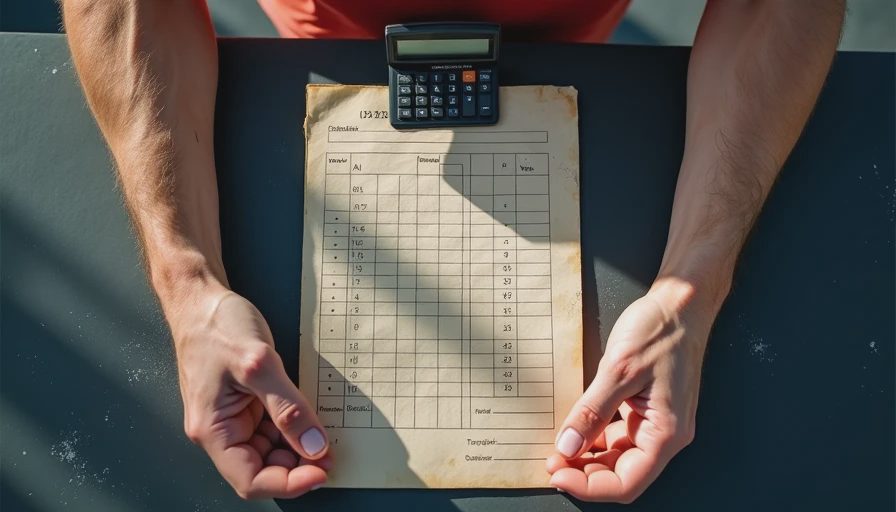
The strength level bench press calculator only works if the set is real. Stop one rep before form turns into a shoulder shrug and a lower-back bridge. Use the same bar, the same bench, and the same pause or touch-and-go style each time. If you bounce the bar off your chest one week and pause it the next, the comparison is junk. Consistency beats theater.
Record body weight in the morning, after the bathroom, before breakfast, because a 4-pound swing from salt, carbs, or last night's tacos can muddy the picture. Then retest every 4 to 6 weeks, not every Monday. Progress takes time, and the calculator is there to show the trend, not to grade your mood. If you treat every workout like a test, you will start training scared.
Why your result changes with body weight, age, and training history
A bigger lifter usually moves more weight, and that is normal physics, not a character flaw. So does a person who has spent two years benching twice a week with a plan instead of winging it. Age matters too, mostly because recovery gets pickier after 40. A busy parent sleeping six hours and eating 1,500 calories will not press like someone eating enough and getting nine hours of sleep.
If the strength level bench press calculator says you are average, that is not a sentence. It is a starting line. One client of mine moved from a 95-pound bench to 115 pounds in ten weeks by adding protein, cleaning up her warm-up, and stopping the every-set-to-failure nonsense. The boring stuff worked because the boring stuff is the work. That is how real progress looks when nobody is filming it.
What to do if the number is lower than you want
If the strength level bench press calculator puts you below where you expected, do not fix it with random chest-day volume. Bench press grows when you train the lift, get enough recovery, and stop making every set heroic. A solid plan is two bench sessions a week. One day can be 5 sets of 3 at about 80 percent of your estimated max. The other can be 4 sets of 6 at about 70 percent.
Add a small jump, usually 2.5 to 5 pounds, when all the reps are crisp. Then support the lift with rows, triceps work, and dumbbell presses. If you are dieting, keep the deficit modest. A lot of stalled pressing comes from being underfed, not from having bad genes. That is especially true if you feel flat, sleepy, and weaker week after week. The fix is usually simpler than the internet wants it to be.
A simple 6-week way to move the needle
If you want a practical test, run this for six weeks. Bench twice a week. Day one, press a heavier top set of 3 to 5 reps, then back-off sets of 5. Day two, use a lighter load and cleaner reps, maybe paused bench or dumbbells. Keep protein around 0.7 to 1.0 gram per pound of goal body weight, and get at least 7 hours of sleep. That combination matters more than any shiny supplement.
For example, if you miss 155 for 5 two weeks in a row, do not panic and add five more exercises. Repeat 150 for the same reps, clean up the pause, and come back stronger. The lifter who gets a little stronger every month usually beats the one chasing a dramatic PR every Friday. Slow progress is still progress, and it tends to stick.
Common mistakes and a quick reality check
The biggest mistake is treating the calculator like a prophecy instead of a snapshot. It is not there to tell you who you are. It is there to help you decide what to do next. Another mistake is comparing your barbell bench to someone else's dumbbell incline press, which is like comparing apples to a pickup truck. Keep the lift, setup, and rep range consistent.
If you use a strength level bench press calculator every week, you will only see noise. If you use it after a few honest training blocks, you will see whether your program, food, and sleep are actually working. That is the boring win I want for you, the one that still looks good after three months, not three days. Feed it honest sets, make one smart change this week, and go back to the basics: eat enough, train hard, repeat.



No comments yet — be the first to share a thought.