Shoulder exercises with a bar are not complicated, but they do require patience, honest loading, and decent technique. You do not need a crowded gym, a supplement shelf, or a 30-day transformation promise. You need a barbell, a few plates, and a plan you can repeat on a busy Tuesday. Strong shoulders support pressing, pulling, carrying groceries, lifting children, and plenty of everyday work. They also help you train your upper body without making every session a random collection of exercises.
The number to start with is simple: choose a weight you can lift for every prescribed repetition while keeping one or two good repetitions in reserve. That might be an empty 45-pound Olympic bar, a 35-pound bar, or a lighter technique bar. Your starting point is not a test of character. It is information.
The best barbell movements for your shoulders
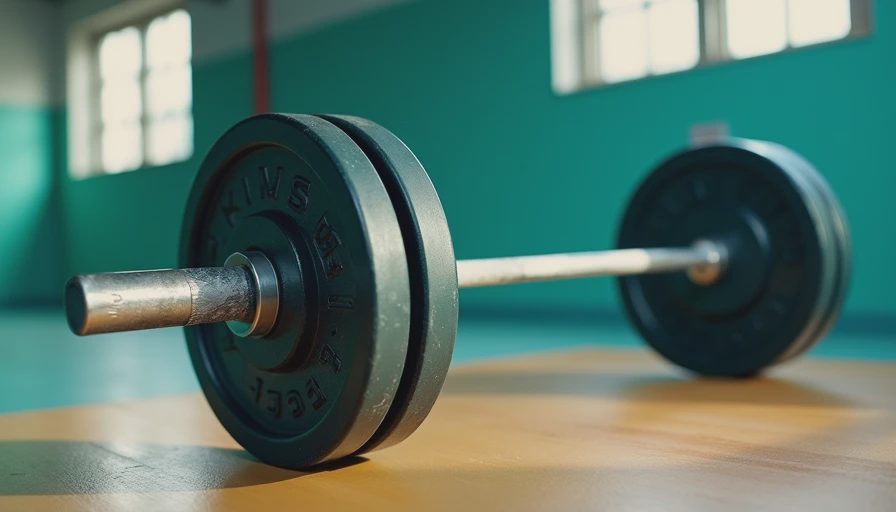
The barbell overhead press is the main lift. Stand with your feet about hip-width apart, brace your stomach, squeeze your glutes, and press the bar from your upper chest until your arms are straight. Keep your ribs down instead of leaning backward to turn the movement into a standing incline press. Use 3 sets of 5 to 8 repetitions.
The push press adds a small leg drive and lets you handle more weight, but it is not a substitute for strict pressing. Dip a few inches by bending your knees, then drive through the floor as the bar travels overhead. Use 3 sets of 3 to 6 repetitions when you want to practice power. Stop the set if the bar path becomes unpredictable.
The barbell front raise is optional, not essential. Your front deltoids already work hard during overhead and bench pressing. If you use it, choose a very light bar, raise it only to shoulder height, and perform 2 sets of 10 to 15 repetitions. Shoulder exercises with a bar should build capacity, not create a contest between your ego and your joints.
The behind-the-neck press deserves a clear answer: most people do not need it. It demands substantial shoulder mobility and gives you little that a safer front press cannot provide. Skip the circus trick and get stronger at the basic press.
How to perform a barbell overhead press safely
Set the bar in a rack around upper-chest height. Step under it, place your hands just outside your shoulders, and rest the bar across the front of your shoulders. Your wrists should stay reasonably straight, with your elbows slightly forward rather than flared directly sideways. Unrack the bar, take one step back, and establish your stance before pressing.
As you press, move your head slightly backward to let the bar pass, then bring your head through once the bar clears your forehead. At lockout, the bar should sit over the middle of your foot, not several inches in front of you. Lower it under control to the same starting position. A two-second lowering phase is a useful default, especially when you are learning.
Do not force a painful range of motion. Muscle fatigue, effort, and a mild burn are normal. Sharp pain, numbness, tingling, or pain that changes your movement is a reason to stop and get evaluated by a qualified health professional. A previous shoulder injury does not automatically ban pressing, but it does make individualized guidance more valuable.
A four-week shoulder workout for normal adults
Train shoulders two times per week, with at least two days between sessions. On Monday, perform the strict overhead press for 3 sets of 5 repetitions, then a chest-supported row for 3 sets of 8 to 12. Finish with a light lateral raise for 2 sets of 12 to 15. The row is included on purpose: balanced upper-body training is more useful than pressing endlessly.
On Thursday or Friday, perform the strict press for 3 sets of 8 repetitions at a lighter weight. Add the push press for 3 sets of 4, then do a pulldown or assisted pull-up for 3 sets of 8 to 12. Rest 2 to 3 minutes between hard pressing sets and about 60 to 90 seconds on smaller movements.
For progression, add 2.5 pounds when you complete every repetition with stable form. If your gym lacks small plates, add one repetition to each set before adding 5 pounds. If you miss the target two workouts in a row, reduce the weight by roughly 5 to 10 percent and rebuild. This is not failure; it is sensible training management.
Shoulder exercises with a bar work best when the rest of your program includes rows, pulldowns, lower-body lifts, and enough recovery. A shoulder does not exist separately from the rest of your body.
Common mistakes that slow your progress
The first mistake is loading too much weight. If you must lean back, bend your wrists severely, or shove your face away from the bar, the weight is too heavy for a strict press. Drop the load and own the movement. Your shoulders respond to repeated quality work, not to a dramatic single that makes your back do the lifting.
The second mistake is training the same pattern every day. Tendons and connective tissues often adapt more slowly than your enthusiasm. Give hard pressing at least 48 hours before repeating it. Walking, easy cycling, and gentle mobility work are fine between sessions, but another max-effort press is not recovery.
The third mistake is ignoring your training history. If you have been sedentary, start with two sets instead of three and use a conservative load. If you already bench press twice weekly, count that pressing volume before adding more shoulder work. More exercises are not automatically better. Better execution is better.
Fuel the work and measure progress
You cannot out-train chronically poor recovery. Eat a meal containing protein and carbohydrates within a few hours before training. A practical option is Greek yogurt with fruit, or a turkey sandwich with a piece of fruit. Afterward, eat a normal meal with roughly 25 to 40 grams of protein, depending on your size and total daily needs. You do not need a neon-colored pre-workout powder to press a barbell.
If fat loss is your goal, use a modest calorie deficit rather than trying to train hard on almost no food. Losing around 0.5 to 1 percent of body weight per week is a commonly used upper boundary, but slower progress is still progress. Sleep matters too. Seven to nine hours is the target range for most adults, even though children, deadlines, and the occasional Boston snowstorm will interfere.
Track the weight, repetitions, and how many repetitions you had left. Take a quick note after each workout: “75 pounds, 3 sets of 5, two reps left.” In four weeks, you will have evidence instead of a vague feeling that nothing is happening.
Shoulder exercises with a bar should make you stronger while fitting your life. If the routine takes 90 minutes and leaves you too sore to work, it is not a better plan. Make the sessions short, repeatable, and boring enough to survive.
Your one change this week
Put two pressing sessions on your calendar. Before the first one, warm up with five minutes of easy movement, then perform several lighter bar sets: 8 repetitions with an empty bar, 5 with a small amount of weight, and 3 before your work sets. Use the same load for all work sets, record the result, and leave the gym before you start adding foolish extras.
Shoulder exercises with a bar are a tool, not a personality and not a punishment for eating. Eat enough. Train hard. Repeat. Give the plan four consistent weeks, then adjust one variable at a time. That is how strength is built: not through a miracle, but through ordinary sessions completed often enough to count.


No comments yet — be the first to share a thought.