“I just want to tone up.”
It’s one of the most common goals people bring into a gym or a dietitian’s office. The phrase sounds reasonable. It feels safer than “I want to get stronger” or “I want to lose fat.” It suggests a lighter, more refined version of change—firmer arms, tighter midsection, less softness, no bulk.
The problem is that “tone up” is not a real physiological process. It is marketing language that has confused people for decades.
Here’s what is actually happening when someone says they want to tone, and what it takes to produce the look they’re after.
What People Usually Mean by “Tone”
When most people say they want to tone up, they mean one or more of the following:
They want certain body parts to look firmer and more defined
They want less visible softness or jiggle
They want muscle to be more apparent without looking “big”
They want to avoid the heavy lifting they associate with bulk
In other words, they want a combination of enough muscle development and low enough body fat for that muscle to show. That outcome is real. The word “tone” simply does not describe a unique biological pathway that gets you there.
Muscle Does Not “Tone.” It Grows or Shrinks.
Muscle tissue responds to training by getting stronger and, under the right conditions, larger. It does not have a separate “toning” mode activated by light weights and high repetitions.
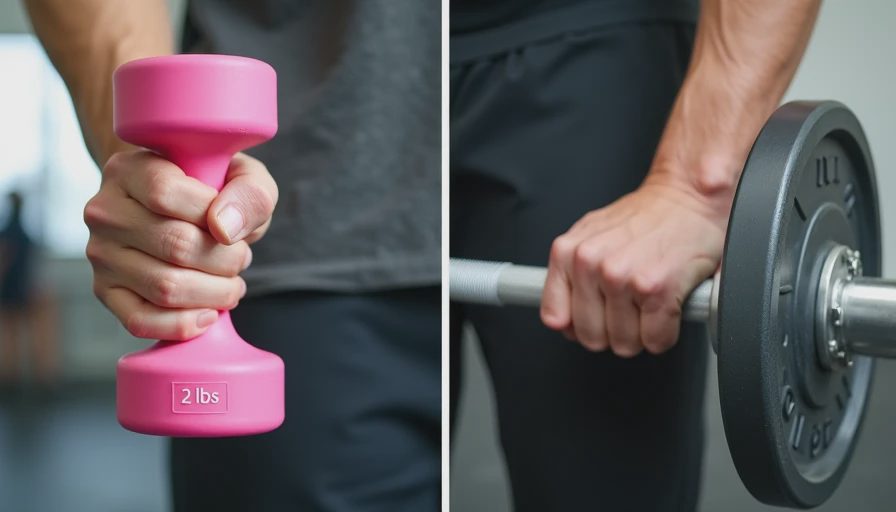
The classic “toning” workout—pink dumbbells, very high reps, little progressive overload—often fails to provide a strong enough stimulus to build or even maintain much muscle. At best it burns some calories and improves muscular endurance. At worst it leaves people spinning their wheels for months while wondering why their arms still look the same.
If the weights never get challenging, the muscle has little reason to change.
Fat Loss Reveals What Training Builds
Visible definition comes from two things working together:
Having muscle in the area
Having low enough body fat for that muscle to be visible
You cannot spot-reduce fat from your arms, stomach, or thighs by doing endless targeted exercises. The body loses fat systemically according to genetics, hormones, sex, and overall calorie balance. Local exercises can strengthen and develop the muscle underneath, but they do not preferentially melt the fat covering it.
This is why someone can do hundreds of crunches and still have a soft midsection. The muscle may be stronger, but the fat layer remains.
Why the Fear of Bulk Is Usually Misplaced

Many people, especially women, avoid challenging strength training because they worry about getting bulky. In reality, building substantial muscle mass requires years of progressive training, sufficient protein, and often a calorie surplus. Most adults following a fat-loss program while lifting weights will not suddenly look like bodybuilders.
What they usually notice instead is better shape, improved posture, stronger performance in daily life, and clothes that fit differently. The “toned” look many people want is simply the result of building some muscle and then losing enough fat to reveal it.
What to Do Instead of “Toning” Workouts
Replace the vague goal of toning with two clearer targets:
Build or maintain muscle through progressive strength training
Reduce body fat through a moderate calorie deficit and high protein intake
Practically, this looks like:
Training the major movement patterns 2–4 times per week with challenging loads
Using a weight that makes the last few reps of each set difficult while keeping good form
Gradually increasing weight, reps, or sets over time
Eating enough protein (generally 1.6–2.2 g per kg of body weight for most people in a deficit)
Creating a sustainable calorie deficit rather than extreme restriction
Light weights and high reps can still have a place for warm-ups, isolation work, or conditioning. They should not be the entire program if definition is the goal.
Eat enough. Train hard. Repeat.


No comments yet — be the first to share a thought.