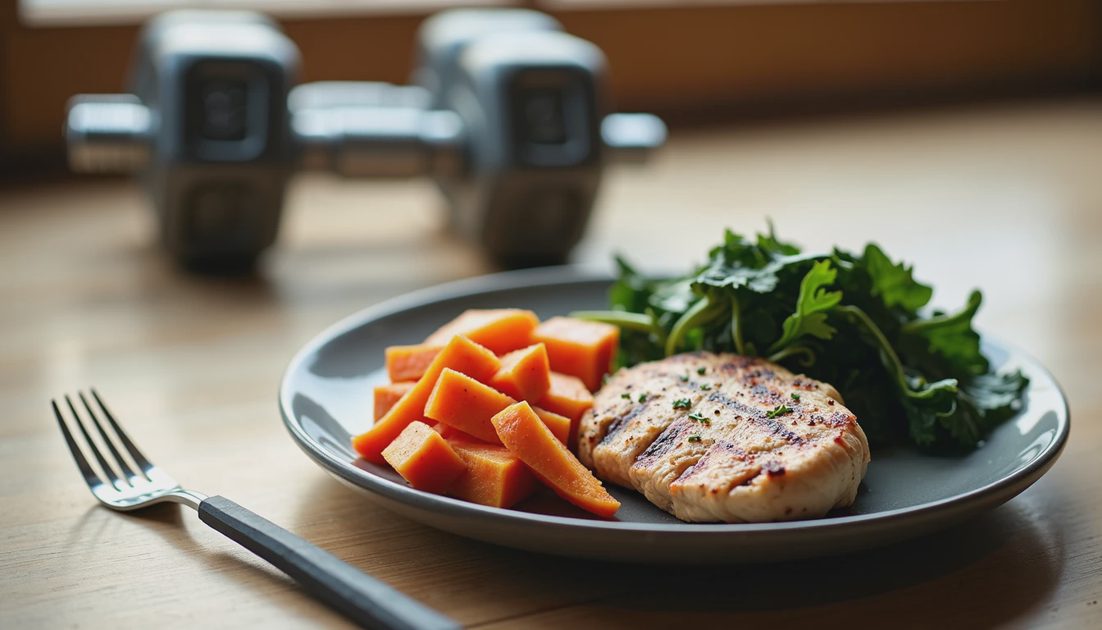
The war on carbs is the most successful marketing campaign in diet history—and it’s built on bad science.
You can eat carbohydrates and still lose fat. You don’t need to go keto. You don’t need to swear off bread, pasta, or potatoes. Let’s walk through the actual science.
The One Thing That Actually Matters
Fat loss happens when you sustain a calorie deficit—you consume fewer calories than you burn. That’s it.
Carb restriction is one way to create that deficit. But it’s not the mechanism. A systematic review found that weight loss on low-carb diets is associated with calorie restriction, not carbohydrate restriction. People lose weight because they eat less total food, not because carbs are inherently fattening.
Why Low-Carb Diets Do Work (and Why That’s Misleading)
Yes, low-carb diets can work. Research shows they rank among the most effective for short-term weight loss and body fat reduction.
But there’s a catch. Much of the initial drop is water weight—glycogen holds water, and when you cut carbs, you flush it out. That’s not fat loss. And the appetite suppression some people experience comes from higher protein and fat intake, not from carb elimination.

The Trade‑Offs Nobody Talks About
While low-carb diets can be effective short‑term, they come with real downsides:
Muscle loss. A 2025 systematic review found that ketogenic diets may negatively affect lean mass, especially in the short term. Losing muscle lowers your metabolism—making regain more likely.
Unknown long‑term safety. Long‑term clinical safety and efficacy have not been well studied. Low-carb diets have been linked to greater short-term weight loss than low-fat diets, but evidence for lasting results is mixed.
Carb quality matters more than quantity. A 2024 long-term study showed that adults on low-carb diets rich in plant‑based and whole grains gained significantly less weight than those on other low-carb patterns. The source of the carb drives the outcome.
What the Research Actually Says (Briefly)
Finding | Source |
|---|---|
Low-carb diets are effective for short‑term weight loss | Akbari et al., 2024 |
But weight loss is linked to calorie, not carb, restriction | Systematic review |
They may reduce lean mass, especially early on | 2025 systematic review |
Long‑term safety remains uncertain | PubMed review |
Carb quality (whole grains, plants) matters more than quantity | 2024 prospective study |
So What Should You Actually Do?
Prioritize protein. 0.7–1g per pound of body weight. Protects muscle, keeps you full.
Set a moderate calorie deficit. Not too aggressive—sustainable wins.
Eat carbs, but choose good ones. Oats, quinoa, sweet potatoes, brown rice, beans, fruit.
Train hard. Carbs fuel your workouts. Skimp on them, and your performance suffers.

Your One Change for This Week
Don’t cut carbs. Upgrade them.
Swap one refined carb for a whole‑food version: white rice → brown rice; white bread → whole grain; sugary cereal → oats; pastries → fruit.
That’s it. One swap. No deprivation. Just a better choice.
Carbs aren’t the enemy. Bad information is. And now you know better.
Eat enough. Train hard. Repeat.


No comments yet — be the first to share a thought.