If you are wondering how to measure my waist, you need three things: a flexible tape measure, a mirror, and two minutes without sucking in your stomach. That is it. You do not need a fancy body-composition machine, a waist trainer, or a new diet because the number moved half an inch overnight.
Waist measurement is useful because it gives you another progress marker besides body weight. It can reflect changes in abdominal fat, water retention, digestion, and posture. It is not a grade for your body, and it does not determine your worth. Use it as data, not as a daily judgment.
How to measure my waist correctly
Start in the morning, after using the bathroom and before breakfast if possible. Wear a thin shirt or measure directly against your skin. Stand normally with your feet about hip-width apart, arms relaxed, and shoulders down. Do not flex your abs, push your stomach out, or hold your breath. The goal is your ordinary, relaxed measurement.
Find the right spot. For a consistent health measurement, place the tape around your middle at the midpoint between the bottom of your lowest rib and the top of your hip bone. In practical terms, this is often near your natural waist, but it is not always the narrowest part of your torso. If you are unsure, feel for the top of your hip bone and the bottom of your rib cage, then mark the halfway point.
Wrap the tape level all the way around your body. Check the mirror from the side and front so the tape is not angled upward in back. It should touch your skin or clothing without digging in. You should be able to slide one finger beneath it. Exhale normally, then read the number where the tape meets its starting point. Record inches or centimeters, but do not switch units from week to week.
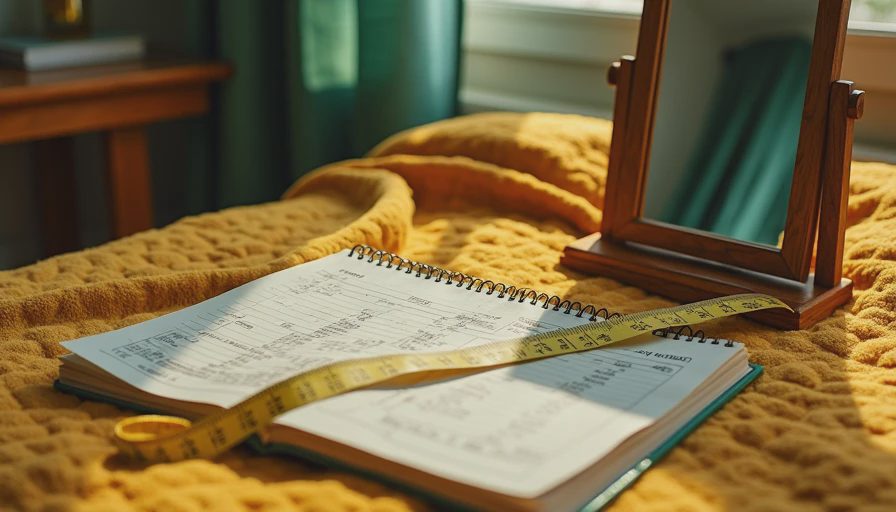
Take a second reading immediately. If the numbers differ by more than about a quarter inch, reset the tape and measure again. Average the two closest readings if needed. That small routine prevents the common mistake of measuring one day at the narrowest point and the next day across the belly button.
Where exactly should the tape go?
People often ask how to measure my waist when their waistline is not obvious. Bodies are built differently, especially after pregnancy, menopause, major weight changes, or years of strength training. Do not force your body into a textbook shape. Use the same anatomical landmark every time.
The belly button is not a universal measuring point, but it can be a practical backup if you use it consistently. Write down your method: “midpoint between ribs and hips” or “level with belly button.” Then repeat that method during every check-in. A measurement is useful only when the process stays steady.
Do not measure directly after a large meal, a hard workout, or a salty restaurant dinner if you are trying to compare progress. Your abdomen can temporarily change from food volume, gas, inflammation, and fluid balance. That is normal physiology, not fat gain. Jeans feeling tighter after pizza does not mean pizza created a permanent setback overnight.
For clothing, you may need a different measurement. A tailor or size chart might ask for the narrowest part of your torso, the waistband location, or the fullest part of your abdomen. Follow the company’s instructions for fit. For health and fat-loss tracking, prioritize the repeatable landmark you selected.
How often should you measure?
Once per week is enough for most people. Pick the same morning, such as Saturday after waking and using the bathroom. Measure under similar conditions and record the result in a notebook, spreadsheet, or phone app. Daily measuring creates noise and encourages you to react to normal fluctuations.
Look at a four-week trend rather than one reading. A waist can be temporarily larger because of constipation, menstrual-cycle changes, a tough leg workout, poor sleep, or a high-sodium meal. None of those events requires a punishment workout or a 900-calorie cleanse. Keep eating regular meals, drinking fluids, and training according to your plan.
A realistic fat-loss trend is not perfectly straight. You might see no change for two weeks, then a small drop. You might lose weight while your waist stays steady because of water shifts or muscle changes. That is why I like using several markers: waist measurement, body weight averages, workout performance, hunger, energy, and how clothes fit.

What waist measurements can and cannot tell you
Waist circumference can help identify changes in abdominal size, and excess abdominal fat is associated with greater metabolic-health risk. But one tape reading cannot diagnose your health. It does not measure body-fat percentage, muscle mass, blood pressure, cholesterol, blood glucose, or fitness. Treat it as one piece of information.
General health guidelines often use waist thresholds, but those cutoffs are not a personal diagnosis and can differ by sex, medical context, and population. If your measurement concerns you, bring it to a physician or registered dietitian alongside your blood pressure and lab results. A professional can interpret the whole picture instead of making a decision from one number.
Also, never use waist size to decide that you have “earned” food. Food is not a reward, and your body is not a problem to solve before you deserve respect. Measure because information can guide a practical plan, not because shame is an effective training strategy. It is not.
How to use the number for fat-loss progress
If your goal is fat loss, make one boring change and repeat it. Add a protein source to breakfast, plan a vegetable at lunch and dinner, or walk for 20 minutes after work four days per week. Strength train two or three times weekly if you can, using movements such as squats, rows, presses, hinges, and carries. Eat enough to recover; cutting harder is not automatically smarter.
Use the waist measurement every seven days, not every seven minutes. If the four-week trend is flat, review the basics: portion sizes, liquid calories, weekend eating, sleep, and training consistency. Do not immediately buy a supplement or copy a stranger’s 30-day challenge. The math is less exciting than a miracle claim, but it works better when you can live with it.
For example, a person who measures 38 inches on three consistent mornings may see 37.5 inches after several weeks of regular meals and progressive training. That is useful progress. Another person may lose two pounds but measure the same because of water retention. Neither result deserves panic. Adjust the plan only after enough consistent data exists.
A simple measurement checklist
- Measure at the same time each week.
- Use the same landmark and the same tape.
- Stand relaxed and breathe normally.
- Keep the tape level and comfortably snug.
- Take two readings and record the closest consistent result.
- Compare four-week trends, not isolated numbers.
That is how to measure my waist without turning the process into another diet obsession. Get the number, write it down, and return to the habits that actually change your health: balanced meals, adequate protein and fiber, sensible portions, regular movement, and strength training. Eat enough. Train hard. Repeat.



No comments yet — be the first to share a thought.